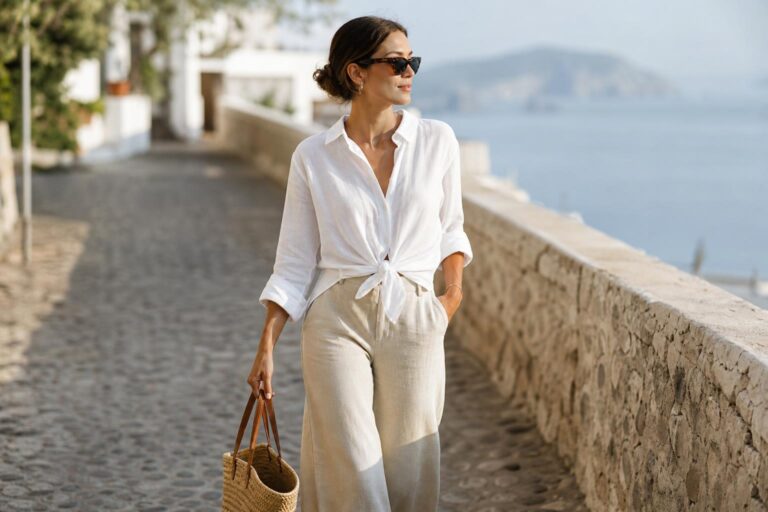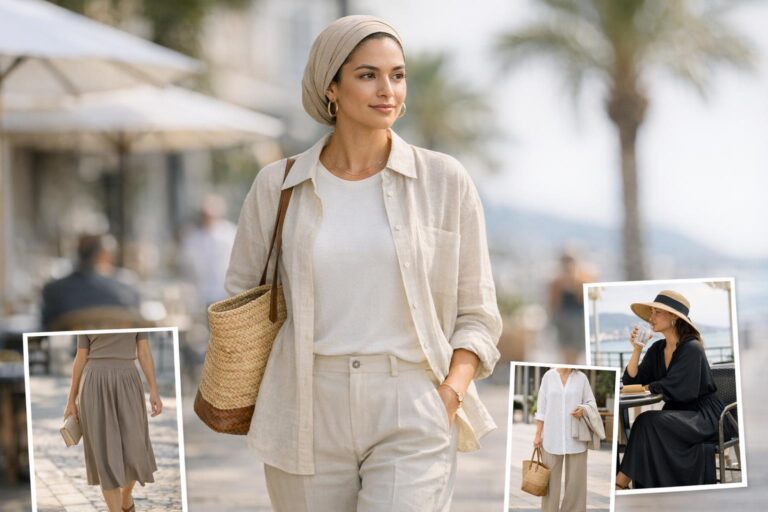
Japan Outfit Summer Style That Feels Cool and Polished
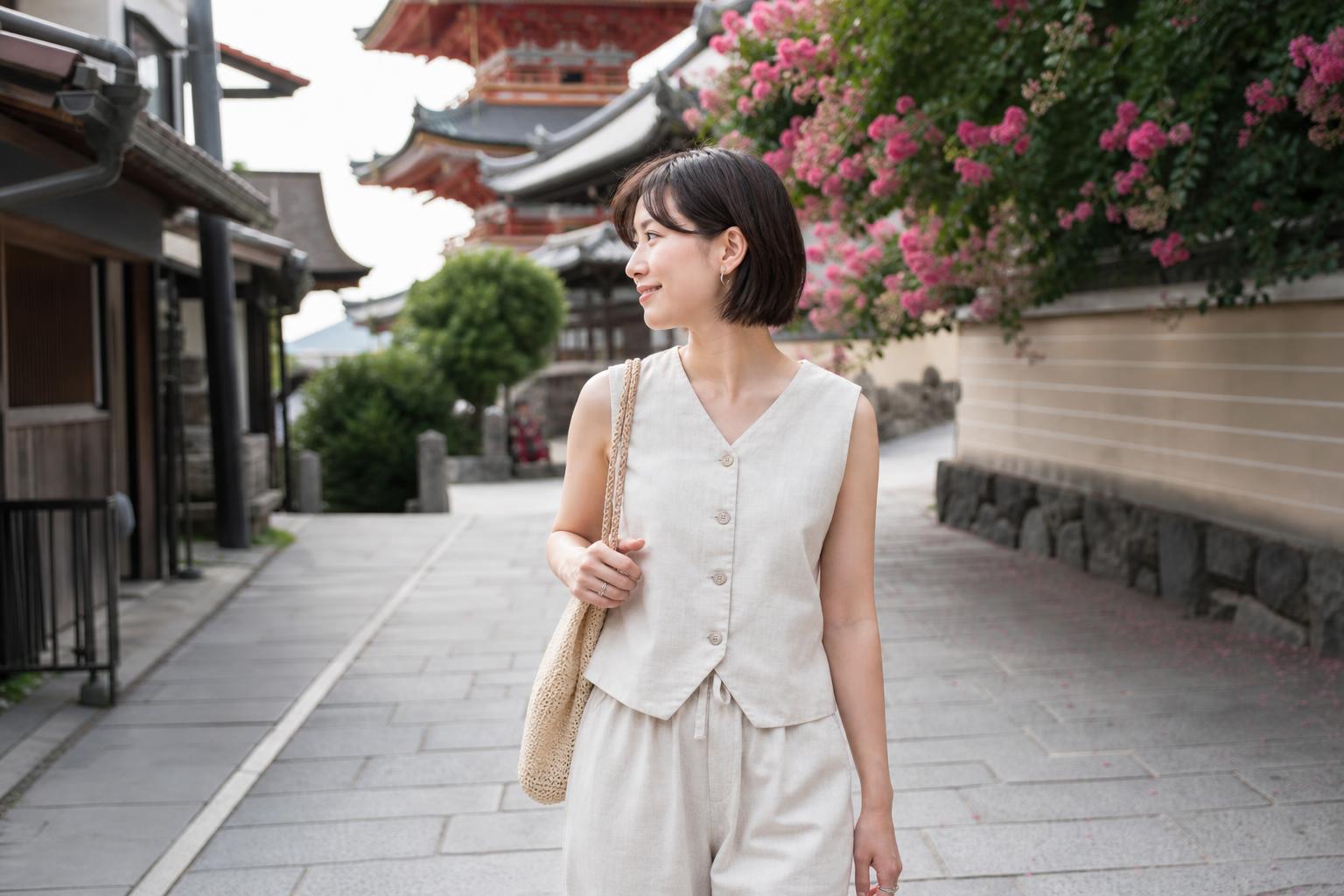
Japan outfit summer: airy city style, quiet color, and practical elegance
By the time morning light hits the streets in Tokyo or Kyoto, summer dressing in Japan already becomes a conversation between heat, humidity, movement, and polish. The appeal of a strong japan outfit summer wardrobe is not just looking good in photos. It is about creating an aesthetic that stays composed in dense air, feels comfortable through long walks, and still makes sense in places as different as Shibuya, Harajuku, temple paths, and evening festival streets.
The visual identity is relaxed but intentional: breathable fabrics, roomier silhouettes, subtle texture, and a palette that leans toward off-white, stone, navy, charcoal, and olive, sometimes softened with prints or retro-inspired details. You see this mood in travel wardrobes, in modern street style, and in traditional summer dressing like yukata and jinbei. It feels calm rather than overdone, which is exactly why it remains so appealing.
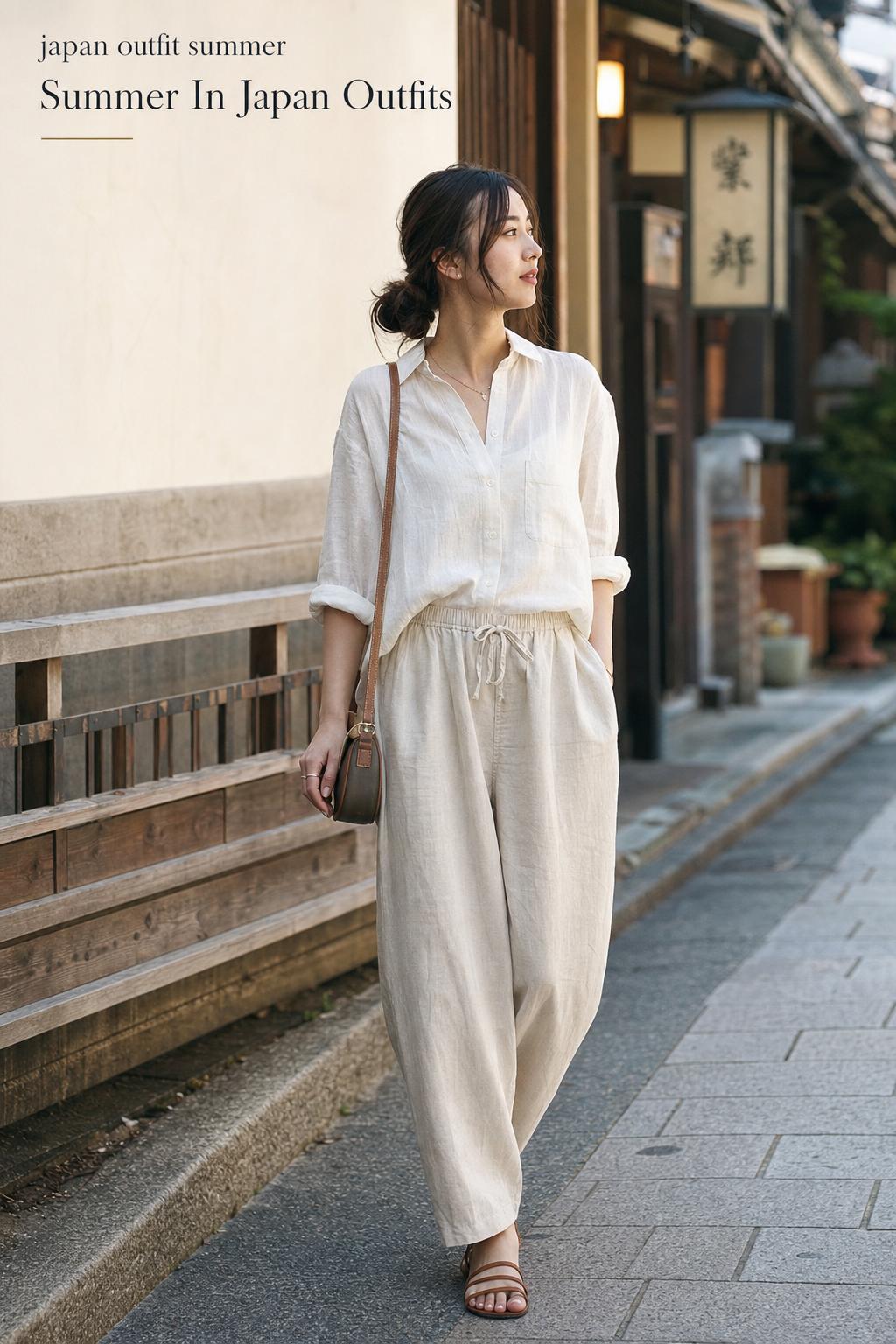
Summer outfits in Japan work best when they balance style with climate awareness. A look can be minimal and still expressive, practical and still aesthetic. That tension is what makes japanese summer fashion so memorable: every choice, from a seersucker shirt to a loose cotton dress, has a reason behind it.
The Fashion-Note Edit
Five effortless pieces to refresh your everyday wardrobe
A polished, practical edit for workdays, weekends, and everything in between.

The Drop
Women’s Blake Long Blazer
A longline, tailored blazer with a notched collar and a single-button closure—an easy layer for denim, dresses, or office-ready looks.
Shop the blazer
Amazon Essentials
Women’s Lightweight Crewneck
A soft, lightweight sweater with a clean crew neckline—the kind of reliable layer that works from cool mornings to air-conditioned spaces.
Shop the sweater
Amazon Essentials
Women’s Loafer Flat
A classic flat loafer that gives casual outfits a more polished finish and pairs naturally with tailored pants, skirts, and straight-leg jeans.
Shop the loafers
Levi’s
Women’s 501 90s Jeans
A relaxed, vintage-inspired take on the iconic 501 silhouette—made for an easy, lived-in look without the thrift-store search.
Shop the jeans
Colorfulkoala
High-Waisted 7/8 Leggings with Pockets
Soft, four-way-stretch leggings with side pockets and a high-rise waistband—designed for movement, errands, and off-duty comfort.
Shop the leggings
Affiliate disclosure: This section contains affiliate links. If you make a purchase through these links, I may earn a commission at no additional cost to you. Product selection, pricing, availability, and delivery terms may change—please review the current details on Amazon before purchasing.
As an Amazon Associate I earn from qualifying purchases.
The mood of summer dressing in Japan
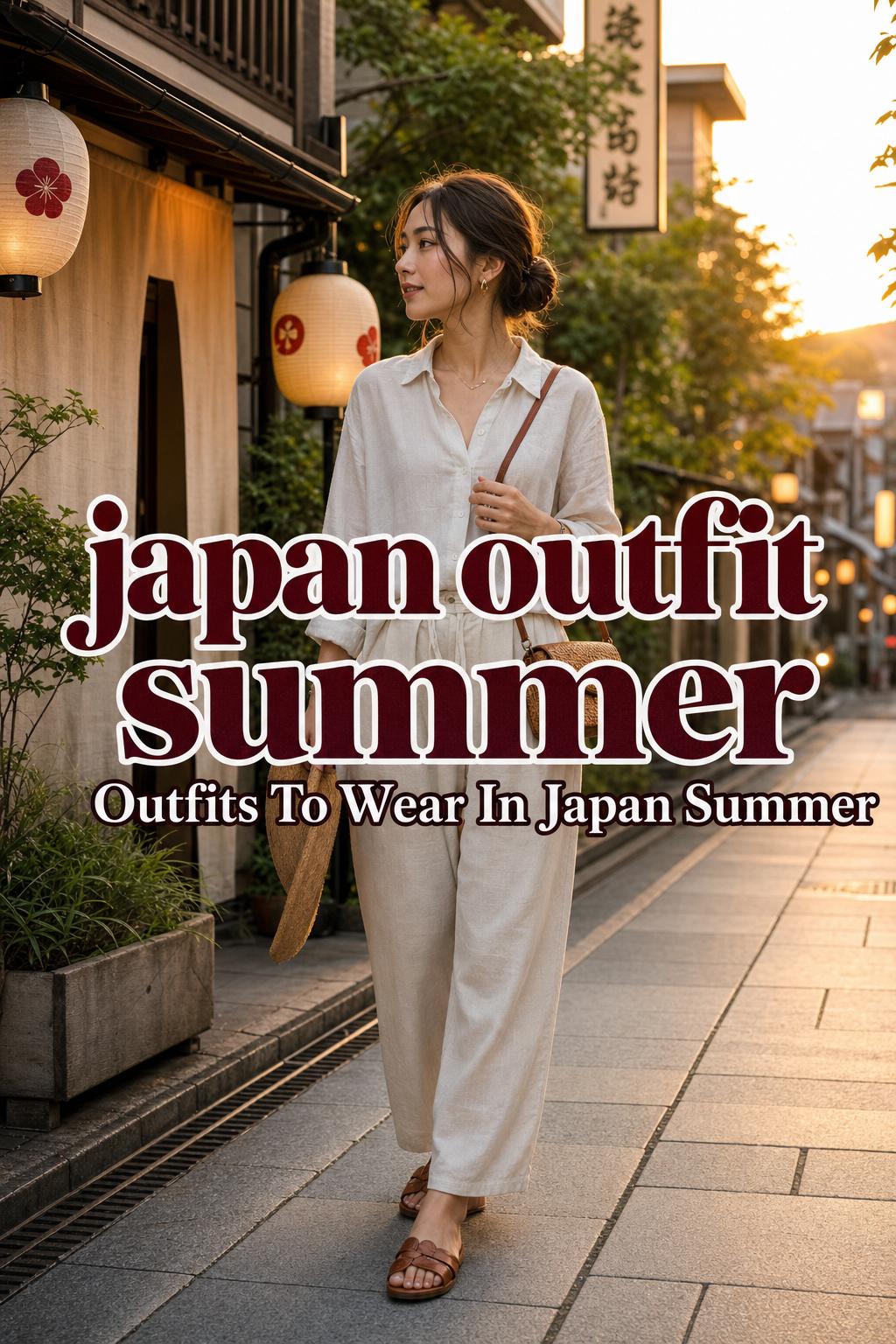
Summer in Japan is regularly described through one key experience: humidity. That single factor changes how clothing should look and feel on the body. Instead of stiff, close-fitting layers, the most effective looks create air space through loose fits, straight silhouettes, softer structure, and fabrics that remain presentable even when the day gets long.
Your wedding style is personal.
Your plan should feel that way, too.
Zarellea keeps your guest list, budget, vendors, and every next step beautifully organized — so you can focus on the moments that feel like you.
This is also why so many outfits to wear in japan summer share a similar visual rhythm. They are not heavy on unnecessary detail. Texture matters more than bulk. A slub cotton shirt, a seersucker dress, or a ripstop overshirt can add interest without making the outfit feel dense. The result is a kind of practical refinement that works especially well in city settings and on travel days.
There is also a location-based shift in mood. Tokyo style, especially around Shibuya and Harajuku, often leans more street-led and expressive. Kyoto styling tends to feel quieter and more temple-aware. Osaka reads casual and easy. The wider idea stays consistent, though: summer in japan outfits should feel breathable, mobile, and visually clean.
Before the looks: the wardrobe logic that makes them work
Breathable fabrics come first
Fabric is the foundation of any successful japan vacation outfit summer plan. The most useful choices across current style guidance are lightweight and breathable materials such as linen, cotton, and textured weaves like seersucker, dobby, slub, and ripstop. These fabrics are repeatedly favored because they handle heat more gracefully and often look better with natural creasing than smoother, clingier materials.
Silhouette matters as much as fabric
A breathable fabric can still feel wrong if the cut is too close. Roomier shoulders, a straight torso, easy dresses, relaxed shirts, and loose bottoms all support airflow better than tight silhouettes. In practical terms, this means a well-cut oversized shirt or a softly shaped midi dress may feel more polished and more comfortable than a fitted outfit that traps heat.
Color helps create the aesthetic
Japanese summer fashion often favors grounded shades that stay calm in bright weather. Off-white, stone, navy, charcoal, and olive appear often because they feel versatile and easy to style. That does not exclude prints or softer summer colors. It simply means the overall mood is more harmonious than loud, which makes the wardrobe easier to repeat across sightseeing, dining, and festival plans.
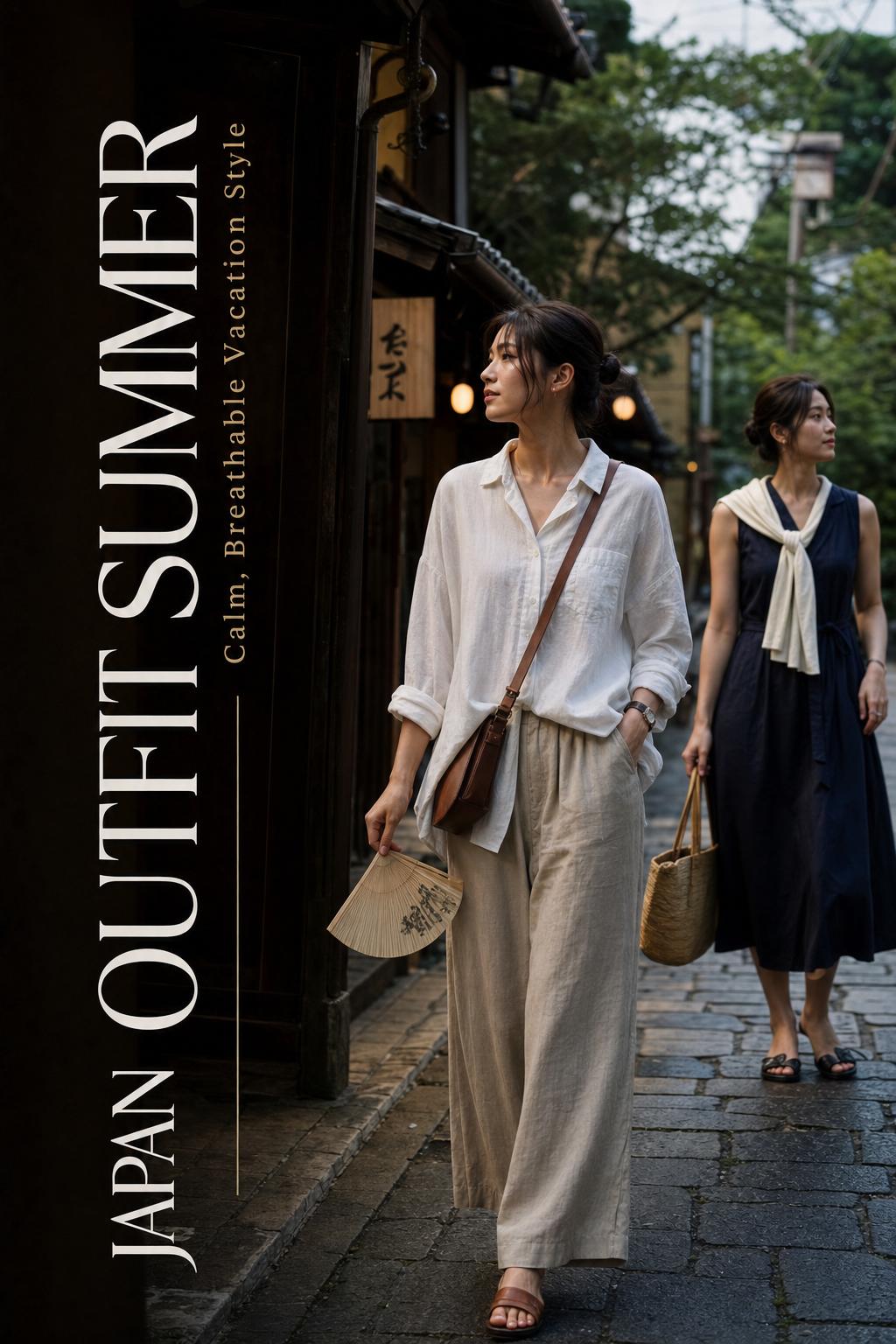
Look: relaxed minimal layers for a Tokyo day
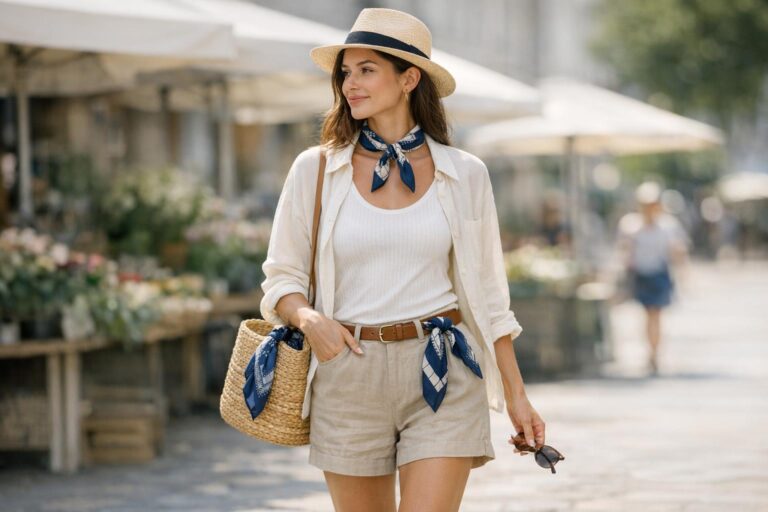
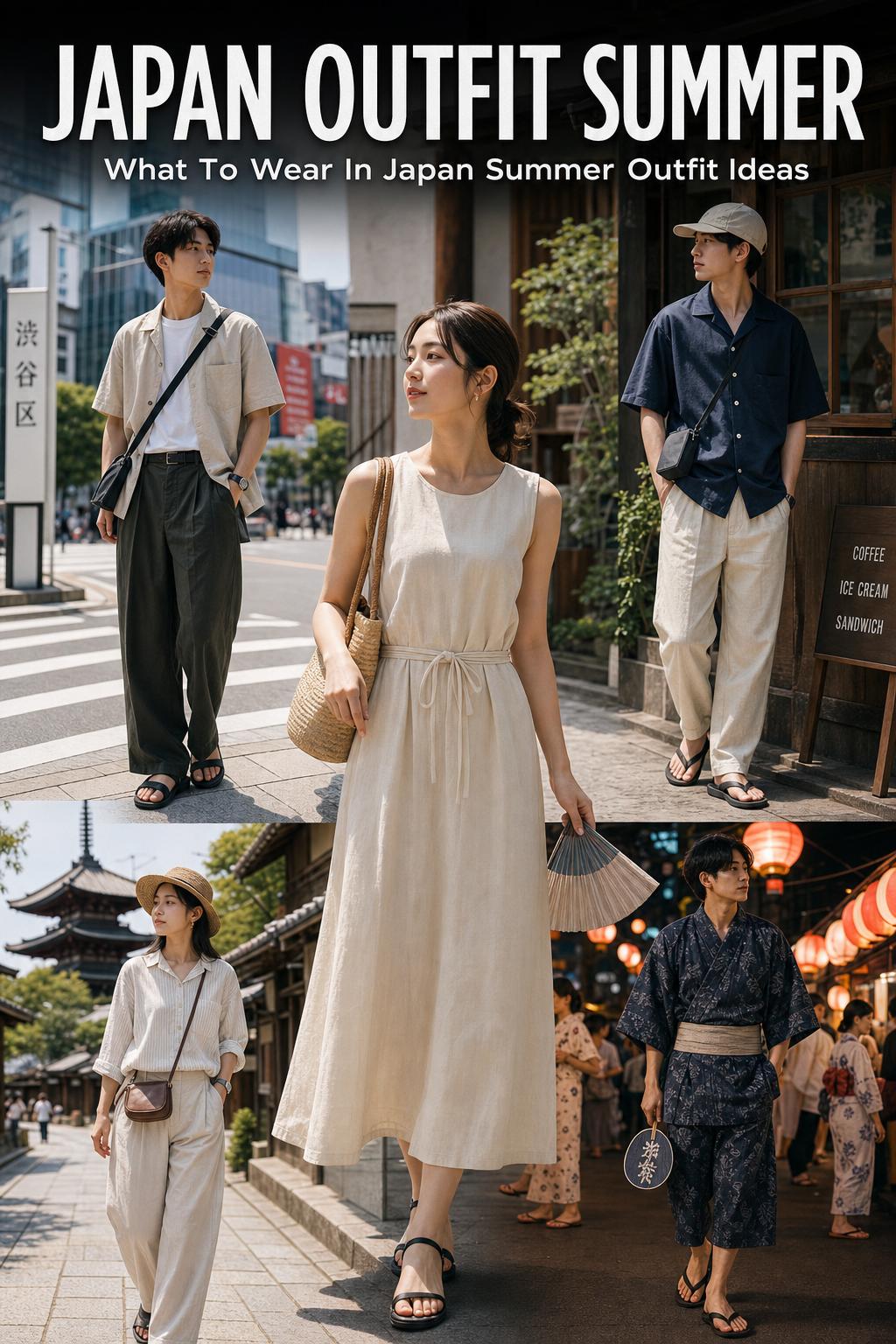
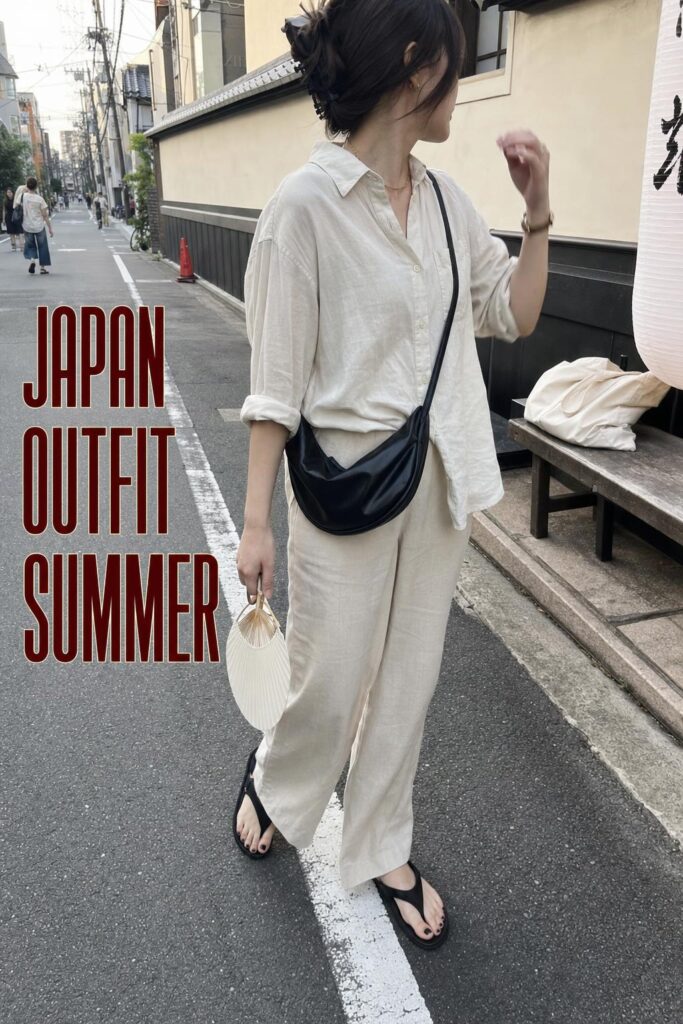
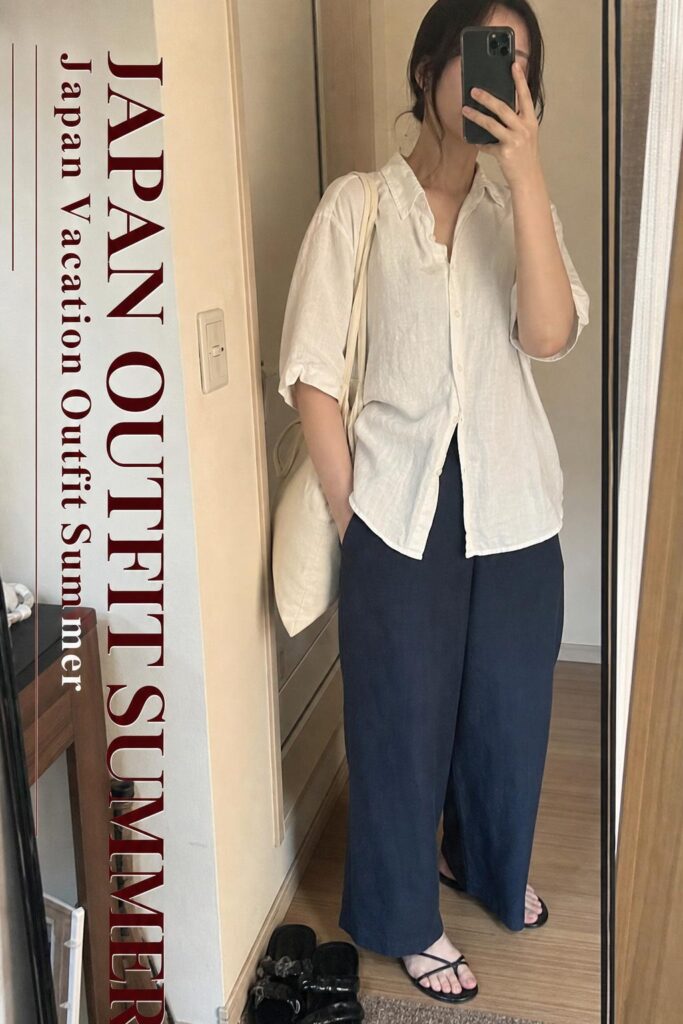
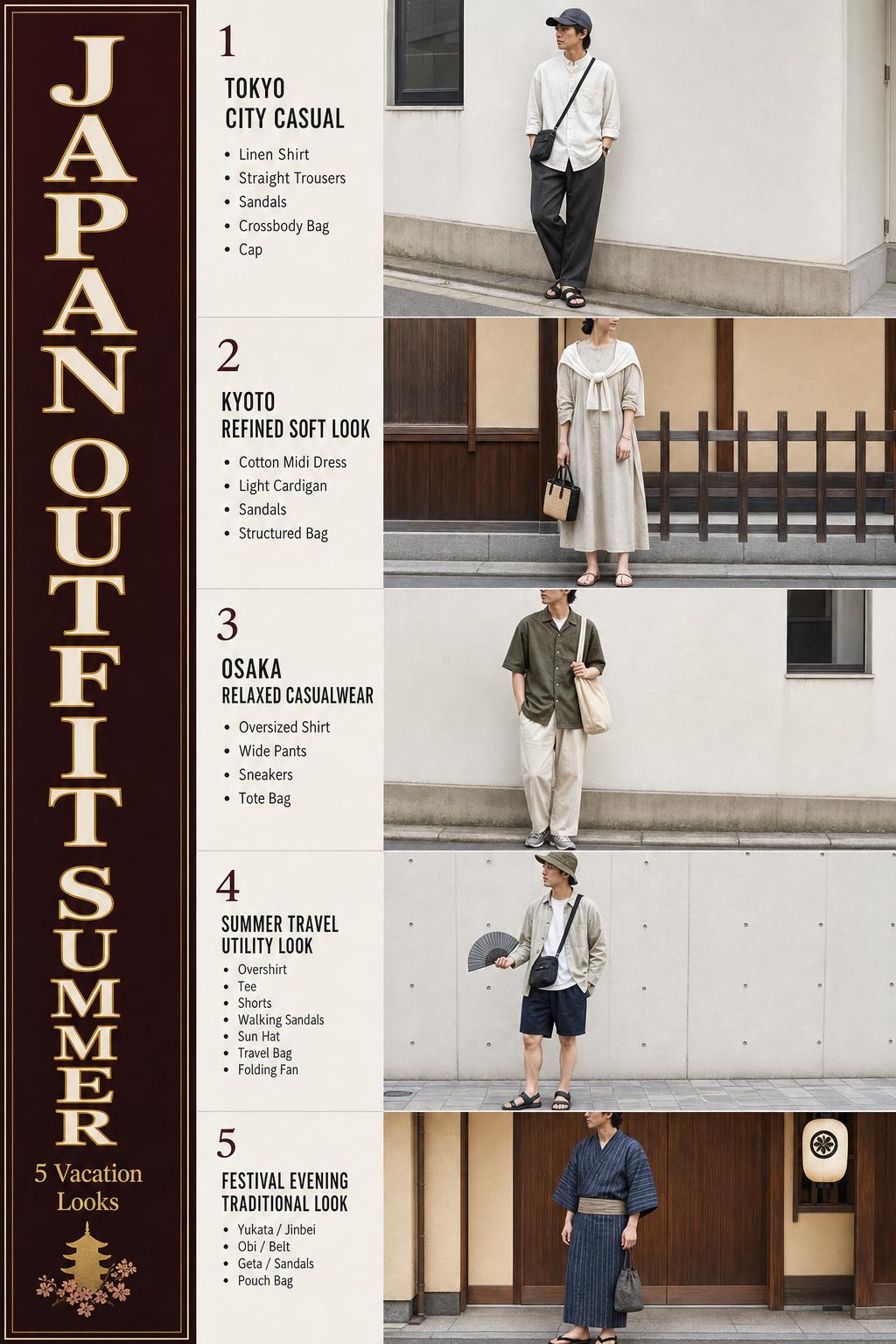
This is the kind of look that feels right for moving through Tokyo from late morning coffee to a long afternoon in Shibuya or Harajuku. The silhouette is open and unforced: enough structure to feel city-ready, but enough ease to survive humidity. It carries the minimal side of japanese summer fashion without becoming plain.
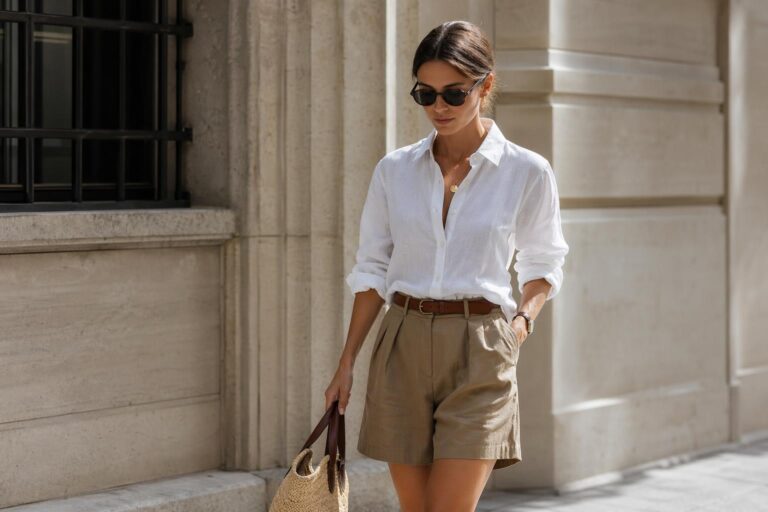
A lightweight off-white shirt in linen or slub cotton worn loose over a simple inner layer creates the base. Pair it with straight, relaxed bottoms in stone, olive, or charcoal, and keep the shape clean rather than oversized in every direction. Texture is what gives this outfit life: a slightly dry linen surface, a subtle seersucker stripe, or a ripstop layer adds depth while staying practical in heat.
- Key garments: lightweight shirt, breathable inner layer, straight relaxed trousers
- Footwear: simple sandals or easy walking shoes
- Accessories: compact bag, hat, handheld fan if needed
Why it works: this look reflects the calm, urban side of summer outfits in Japan. It respects the climate, keeps movement easy, and still feels polished enough for city photos, shops, and casual meals. It is especially useful for travelers who want one outfit to carry several parts of the day.
Look: soft dress silhouette for Kyoto walks and temple stops
For Kyoto, the mood usually shifts toward something softer and more composed. A flowing dress works well here because it offers comfort in heat while still feeling appropriate for temple visits and slower sightseeing. The overall line should be easy and elegant, not overly dramatic.
A midi dress in a breathable fabric, especially lightweight cotton, linen, or seersucker, gives the right balance. Neutral tones and restrained prints tend to feel most in tune with the setting. A simple sundress can work, but styling it with a light outer layer or choosing a cut with a little more coverage helps the outfit feel more versatile for sacred sites and long walking days.
This is one of the strongest what to wear in japan summer outfit ideas because it handles multiple needs at once: comfort, appropriateness, ease of packing, and a visually gentle silhouette. The best version is not fussy. It moves with the body, sits lightly on the skin, and feels settled in both cultural and casual spaces.
Style tip: temple-aware dressing without losing the aesthetic
When your day includes shrines or temples, choose pieces that feel respectful and easy to move in. A longer dress, a breathable shirt layer, and understated accessories often work better than a very bare or heavily styled look. The goal is not formality, but visual balance and context.
Look: neutral street style with Harajuku energy
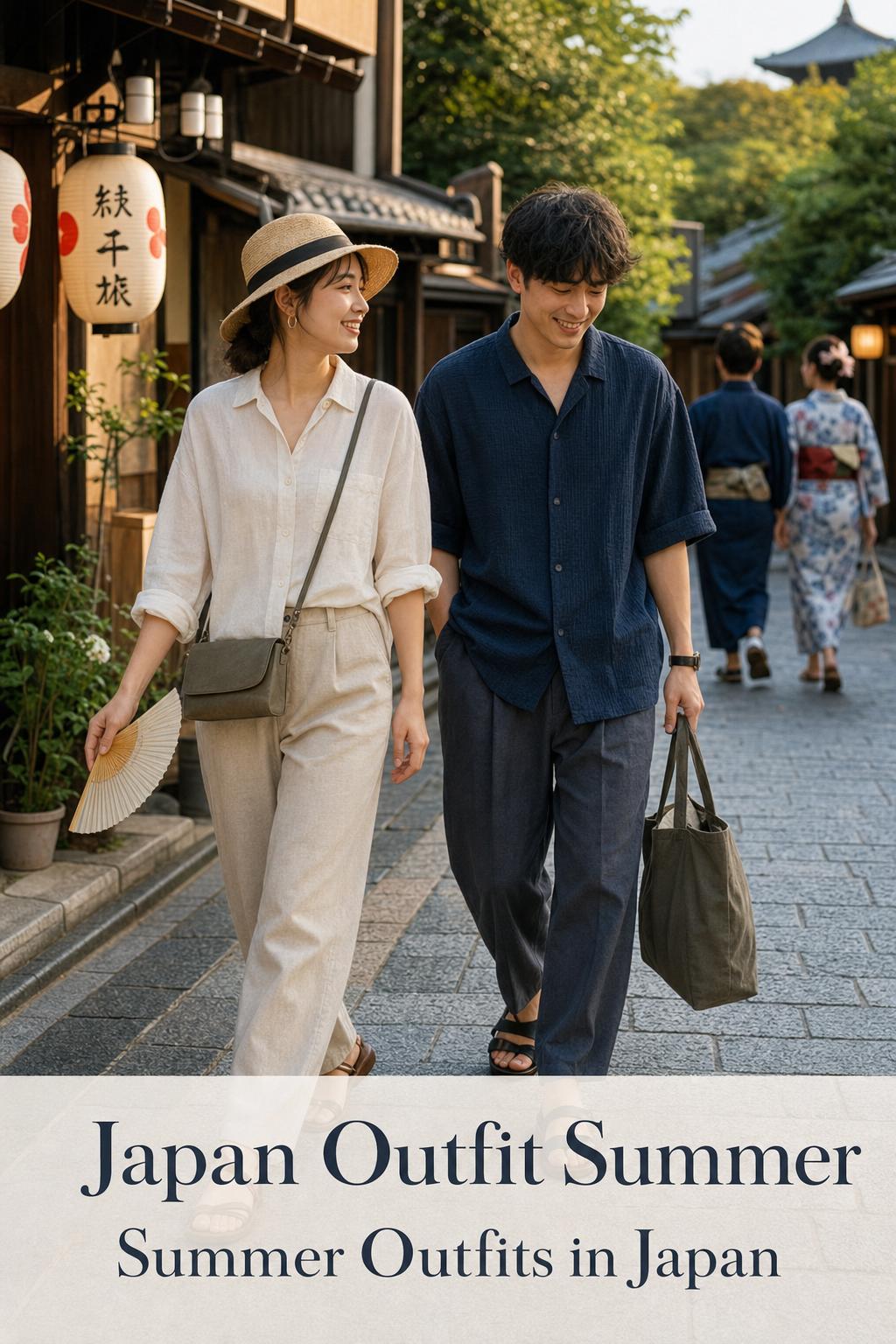
Harajuku-inspired summer dressing does not have to mean extreme layering or costume-like styling. A more wearable interpretation keeps the creativity in proportion: relaxed shapes, contrast in texture, and a strong but controlled palette. Think casual chic with enough edge to feel rooted in Tokyo street style.
Start with a textured top, such as dobby cotton or a loose tee under a lightweight overshirt, then add relaxed bottoms with a slightly structured line. Navy, charcoal, and off-white make a sharp foundation, while olive can soften the look. The outfit should feel intentionally loose, not shapeless. That difference is important in humidity because excess fabric can overwhelm the frame if it is not balanced.
This version of a japan outfit summer aesthetic is ideal for shopping districts, casual photos, and everyday city exploration. It captures the district mood associated with Shibuya and Harajuku while staying realistic for a warm day. In practice, it is one of the easiest looks to rewear because each piece can shift into other outfits during the trip.
Look: festival evening in yukata
Nothing changes the mood of a summer wardrobe in Japan quite like a yukata. It brings an immediate seasonal identity and is closely connected to summer festivals and evening events. Visually, the appeal is clear: a wrapped silhouette, traditional lines, and patterns that can range from simple to retro-inspired, including Taisho- and Showa-influenced motifs.
Compared with modern daytime outfits, a yukata creates a more distinct and occasion-based feel. It is best understood as a traditional summer garment rather than just another dress option. For matsuri and other summer festival settings, it feels natural and culturally grounded. The color and pattern can shape the mood, from soft and classic to more graphic and nostalgic.
- Key garments: yukata with traditional summer styling
- Footwear: seasonal sandals such as geta, as implied in summer accessory discussions
- Accessories: small bag, fan, understated finishing details
Why it works: this look connects directly to one of the clearest summer style traditions in Japan. It offers a different kind of elegance from modern streetwear and feels most appropriate for festivals rather than daily sightseeing. If your trip includes an evening event during Obon season or another summer celebration, this can be the most memorable outfit of the trip.
Look: easy jinbei mood for casual summer comfort
Jinbei offers a more relaxed traditional direction than yukata. The mood is casual, airy, and grounded in comfort, which makes it particularly appealing for informal summer wear and festival-adjacent settings. Visually, it reads lighter and less ceremonial, with an easy two-piece rhythm that suits hot weather well.
The charm of jinbei lies in its simplicity. It fits naturally into conversations about traditional vs. modern summer dressing because it can feel traditional without demanding the same occasion-specific styling as a yukata. The silhouette leaves room for airflow, and that practical ease is exactly why it remains relevant in summer fashion discussions.
For readers building summer in japan outfits with a mix of modern and traditional pieces, jinbei is a useful middle ground. It is especially appealing if you want cultural texture in your wardrobe but prefer something less formal and easier to wear for relaxed evenings.
Look: Osaka casualwear with a lighter, everyday feel
Osaka summer style often suits an easier kind of outfit: casual, practical, and a little more direct. The silhouette here can be straightforward and wearable for full-day movement, with less emphasis on layered styling and more focus on comfort that still looks put together.
A breathable tee or light shirt with relaxed shorts or easy trousers can work well, especially in cotton or linen blends that hold shape without feeling heavy. Keep the colors simple and grounded. Stone, navy, and off-white stay consistent with the wider Japanese summer palette, while subtle printed elements can make the look feel more playful without becoming busy.
This is one of the most useful outfits to wear in japan summer when your plans are casual and varied. It does not try too hard, which is exactly why it succeeds. For travel wardrobes, this kind of look often becomes the repeat favorite because it handles heat, walking, and spontaneous changes in schedule so well.
Where climate changes the outfit: from Hokkaido to Okinawa
Not every summer wardrobe in Japan should be packed the same way. One of the most overlooked style decisions is adjusting the outfit mood to the region. The wider summer logic stays consistent, but regional variation matters. Hokkaido is noted as cooler than the hotter, heavier conditions associated with places like Okinawa or the southern parts of Japan.
That difference changes how much layering you need and how light your fabrics should be. In cooler regions such as Hokkaido, a breathable outer layer may feel more useful throughout the day. In hotter regions, especially where the heat feels more intense, the best japan vacation outfit summer choices become even simpler: fewer layers, lighter textures, and shapes that do not cling.
This is why packing by city makes more sense than packing by idea alone. Tokyo, Kyoto, Osaka, Hokkaido, and Okinawa may all sit inside one trip planning conversation, but the most comfortable outfit choices are still location-aware.
Key pieces for this aesthetic
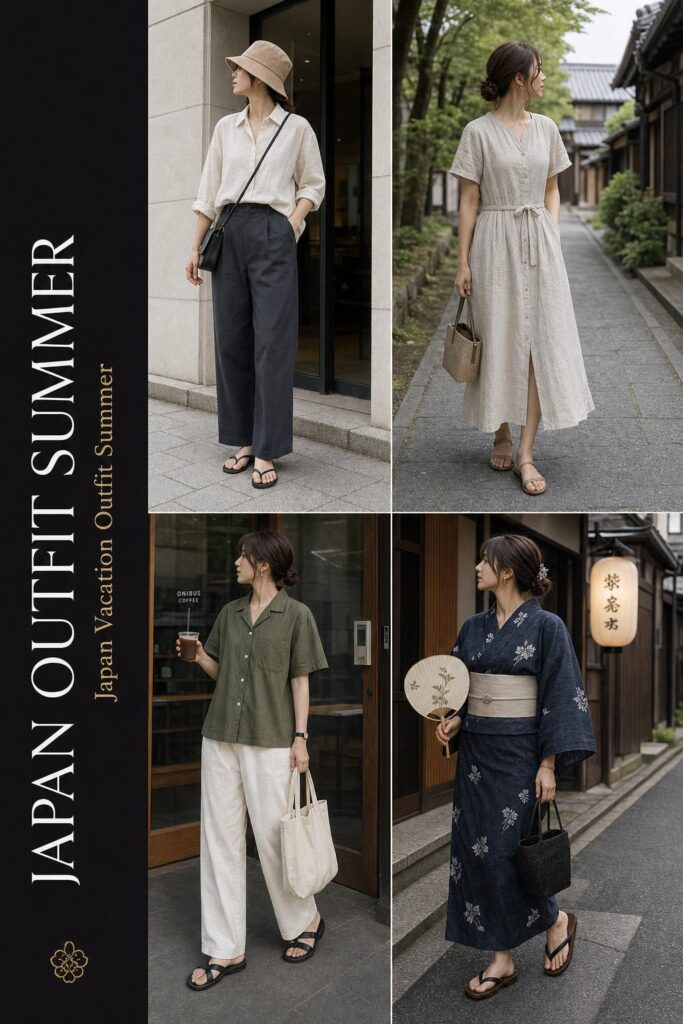
- Loose shirts in linen, cotton, or textured weaves
- Easy dresses with airflow and light structure
- Relaxed trousers or simple shorts for walking days
- Traditional summer options like yukata or jinbei for festivals
- Accessories that support comfort, such as hats, bags, and fans
Texture over heaviness: why certain fabrics look better in humidity
Some of the best summer outfits in Japan rely less on layering and more on surface interest. This is where texture becomes important. Seersucker, dobby, slub, and ripstop are useful not because they are dramatic, but because they add visual depth while keeping the outfit light. They also help maintain a polished look when the fabric naturally wrinkles through the day.
That matters in real life. On a humid day, a perfectly crisp outfit can quickly lose its effect. Textured fabrics tend to age better over hours of walking, train rides, and afternoon heat. They feel more forgiving and often more aligned with the relaxed, breathable design language seen across japanese summer fashion.
There is also an increasingly practical side to this conversation. Fabric technology clusters around moisture management, UV protection, and moisture-wicking textiles are part of the broader summer wardrobe discussion. Even when the look is soft and minimal, the underlying idea is performance: clothes should support the day, not fight it.
Look: polished travel set for long sightseeing days
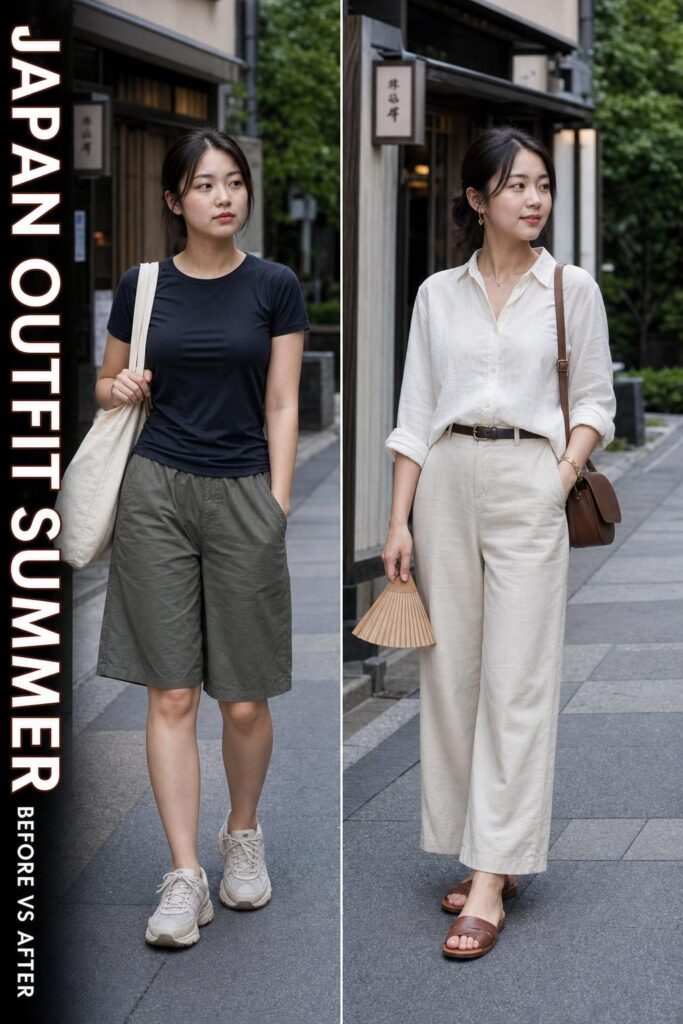
This look is built for movement: train stations, early starts, museum stops, city walks, and a dinner that happens without much time to change. The mood is neat and practical, leaning toward a capsule wardrobe approach where each piece can rotate through several days.
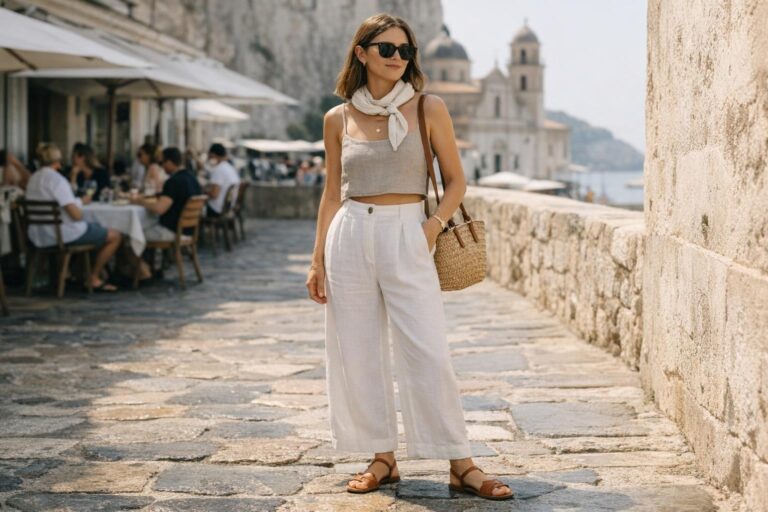
A light shirt or blouse in cotton or linen paired with easy, straight bottoms creates a strong foundation. Keep the palette restrained so everything works together: off-white with navy, stone with olive, charcoal with cream. Add one textured element, such as a seersucker layer or a slub top, to stop the outfit from feeling flat. The bag should be functional enough for travel but visually simple.
This is one of the most reliable what to wear in japan summer outfit ideas for travelers because it respects the reality of the day. Long sightseeing hours make comfort visible. If the fit is wrong or the fabric traps heat, the whole look starts to feel heavy. The best travel outfit is one that still feels composed by late afternoon.
How to recreate the look
Choose one breathable top, one easy bottom, one practical shoe, and one accessory that supports the day rather than decorating it. Then build from color harmony and texture. That keeps the outfit intentional and avoids overpacking.
Traditional and modern in the same wardrobe
One of the strongest directions in this topic is the relationship between traditional garments and modern styling. Yukata and jinbei are not separate from the wider summer wardrobe conversation. They are part of it, especially in summer festival culture and in the visual identity of the season. At the same time, modern city dressing in Tokyo, Shibuya, and Harajuku brings in street style, casual chic, and travel-ready minimalism.
The most thoughtful summer wardrobe does not force one approach. It allows for both. A traveler might wear relaxed contemporary outfits during the day, then shift into a yukata for a matsuri in the evening. Someone more interested in a fashion aesthetic might borrow the softness, ease, and straight lines of traditional garments while staying fully in modern clothing.
That blend is why the topic feels richer than a simple packing list. Japanese summer fashion is not just about surviving heat. It is about understanding when a loose linen shirt is the right answer, when a dress works best, and when a traditional garment changes the mood of the entire day.
Packing with intention: fewer pieces, better combinations
A good summer packing list for Japan is usually smaller than people expect. The most useful approach is to build around repeatable silhouettes and climate-friendly fabrics rather than packing completely different outfits for every day. This keeps your wardrobe lighter and easier to coordinate.
- 2 to 3 breathable tops in linen, cotton, or textured weaves
- 1 to 2 easy bottoms with relaxed shape
- 1 dress that works for sightseeing and casual dinners
- 1 light outer layer for cooler moments or extra coverage
- 1 traditional option if your plans include summer festivals
- Simple accessories such as a hat, fan, and practical bag
This kind of packing plan works because it reflects the actual rhythm of summer travel. Pieces need to feel good in heat, look consistent in photos, and make sense across cities. A tightly edited wardrobe also helps maintain the cohesive aesthetic that makes summer in japan outfits feel so appealing in the first place.
Tip: avoid overcomplicating the evening outfit
Summer evenings can still feel warm, so a full outfit change is not always necessary. Often, the better move is to refine the daytime look with one lighter layer, a neater accessory, or a switch into a more occasion-specific piece like a yukata for festival plans.
Common styling mistakes that can make the look feel off
The most common issue is focusing on appearance first and climate second. In Japan’s summer conditions, that usually backfires. Heavy denim, clingy fabrics, or very tight silhouettes can look good at the start of the day and feel difficult by midday. Once discomfort sets in, the outfit tends to lose its visual ease.
Another mistake is ignoring context. A highly bare resort-style look may feel disconnected in city environments or temple settings, while a full traditional outfit can feel misplaced if worn casually without regard for occasion. The strongest styling choices usually sit in the middle: intentional, place-aware, and easy to wear.
Finally, too much visual weight can flatten the aesthetic. In this style space, softness, air, and texture do more work than excess detail. If an outfit already has a strong fabric texture or print, the rest can stay simple. That balance is what gives japanese summer fashion its composed finish.
Look: calm monochrome for a modern Japanese summer mood
This look leans into the quieter side of the aesthetic and works especially well for readers drawn to minimal wardrobes. The mood is urban, clean, and a little architectural, but still soft enough for summer. It is ideal for café stops, gallery-like city afternoons, and travel days where you want a polished silhouette without extra effort.
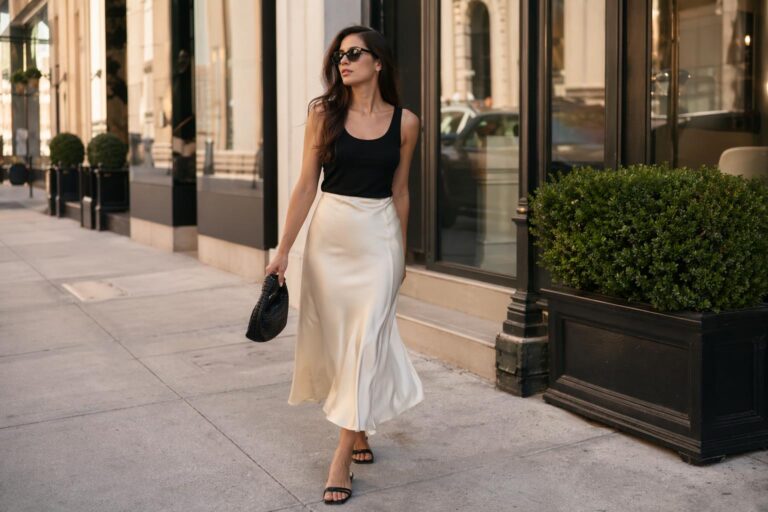
Build the outfit in one tonal family such as off-white and stone, or navy and charcoal. Use breathable textures to create separation between pieces so the monochrome palette does not feel flat. A roomy shirt over straight trousers, or a simple dress under a light layer, keeps the line calm and wearable. The accessories should stay restrained and functional.
This works so well in a japan outfit summer wardrobe because it captures the harmony often associated with current trend discussions around calm and balanced styling. It feels modern, easy to pack, and highly repeatable while still looking intentional in photos.
Practical note on accessories: small details that change comfort
Accessories in summer are not only decorative. They often determine whether the outfit remains comfortable through a full day. Hats, bags, and fans are repeatedly useful because they support real-life movement and weather conditions without interrupting the visual simplicity of the outfit.
For festival styling, accessories should support the traditional garment rather than compete with it. For city outfits, the best accessories are usually understated and easy to carry. The overall effect should feel integrated, not styled in separate parts. In this aesthetic, utility and appearance work best when they are almost indistinguishable.
Choosing the right look for the right summer moment
Not every day in Japan asks for the same fashion answer. That is why the strongest wardrobe includes several interpretations of the same aesthetic mood. For Tokyo street style districts like Shibuya and Harajuku, relaxed texture and a sharper city silhouette feel natural. For Kyoto, softer dresses and temple-aware layering make more sense. For Osaka, casualwear can be more straightforward. For summer festivals, yukata or jinbei bring the clearest seasonal identity.
Thinking this way makes the entire wardrobe more coherent. Instead of packing unrelated clothes, you build around one visual language: breathable, airy, textured, and calm. Then you adjust the silhouette and occasion level. That is the easiest way to create summer outfits in Japan that feel practical and aesthetically consistent at the same time.
The reason this style works so well is simple. It respects climate, place, and visual harmony all at once. Whether you prefer a modern travel wardrobe, a street-style-leaning city look, or a traditional festival outfit, the best version is the one that stays light, wearable, and true to the setting.
FAQ
What should I wear in Japan in summer if I want to look stylish but stay comfortable?
Focus on breathable fabrics, relaxed silhouettes, and a calm color palette. Lightweight cotton, linen, and textured fabrics like seersucker or slub work well, especially in loose shirts, easy dresses, and straight trousers. This keeps the outfit polished without making it feel heavy in humidity.
Are dresses a good option for summer outfits in Japan?
Yes, especially lightweight midi dresses or soft sundresses in breathable fabrics. They are practical for hot weather, easy to pack, and visually versatile. If your day includes temple visits or more conservative settings, a slightly longer cut or a light outer layer can make the outfit feel more appropriate.
Can I wear yukata as a daily outfit in Japan?
Yukata is most naturally connected to summer festivals, evening events, and seasonal occasions rather than everyday sightseeing. It can be a beautiful part of a summer wardrobe, but it usually works best when the setting matches the garment’s cultural and seasonal context.
What is the difference between yukata and jinbei for summer wear?
Yukata has a more traditional wrapped silhouette and is closely tied to summer festivals and seasonal dressing. Jinbei feels more casual and relaxed, with an easy comfort that suits informal summer wear. Both belong to the traditional summer clothing conversation, but they create different moods.
What fabrics are best for humidity in Japan?
Lightweight cotton, linen, and textured weaves such as seersucker, dobby, slub, and ripstop are among the most useful choices. They support airflow, tend to feel lighter on the body, and often keep their visual appeal better over a long humid day than smoother, more clingy fabrics.
How should I dress for Kyoto temples in summer?
Choose outfits that feel breathable, easy to walk in, and visually respectful. A soft midi dress, a lightweight shirt over simple separates, or another look with a bit more coverage usually works well. The goal is not formal dressing, but balanced styling that suits the setting.
Do I need different summer outfits for Tokyo, Osaka, and Hokkaido?
Yes, at least to some degree. Tokyo and Osaka often call for very light, heat-aware dressing, while Hokkaido is noted as cooler and may make a breathable outer layer more useful. The overall aesthetic can stay the same, but the weight and number of layers should adjust to the region.
What are the easiest outfits to wear in Japan summer for travel days?
A relaxed shirt with straight breathable trousers, or a light dress with simple accessories, tends to work best. These combinations handle walking, transport, and shifting plans well. The most successful travel looks are usually the ones that stay clean and comfortable from morning through evening.
How many pieces should I pack for a japan vacation outfit summer wardrobe?
A compact wardrobe often works best: a few breathable tops, one or two easy bottoms, a dress, a light layer, practical accessories, and a traditional piece if you expect to attend a festival. Fewer pieces with a shared palette usually create a more cohesive and wearable travel wardrobe.
What colors work best for japanese summer fashion?
Off-white, stone, navy, charcoal, and olive are especially effective because they feel calm, versatile, and easy to coordinate. Subtle prints and retro-inspired patterns can also work, particularly in traditional garments like yukata, but the overall mood usually stays harmonious rather than loud.
Finish the look
The little extras that make a summer outfit feel complete
From beach days to city weekends, these easy pieces bring comfort, texture, and a polished finishing touch.

FENBEN
Straw Hobo Crossbody Bag
A handwoven straw bag with both short and crossbody straps—an effortless finishing touch for vacation looks and warm-weather outfits.
Shop the bag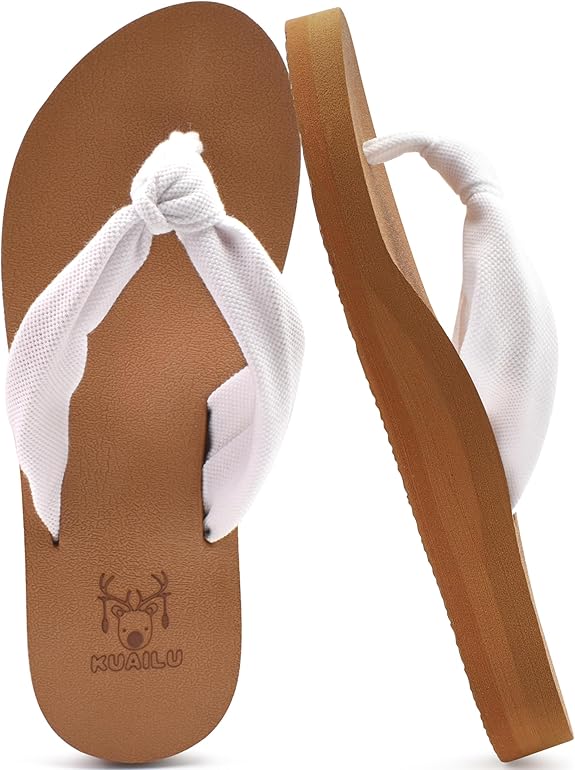
KuaiLu
Flip Flops with Arch Support
Cushioned, lightweight sandals with supportive arch design—a practical choice for beach trips, errands, and long summer walks.
Shop the sandals
baleaf
Athletic One-Piece Swimsuit
A functional one-piece with adjustable straps and moderate coverage, designed for swimming, training, surfing, and active beach days.
Shop the swimsuit
Astylish
Linen-Cotton Button-Down Shirt
A relaxed cotton-linen shirt with a collared V-neck and roll-up sleeves—easy to style over swimwear or with denim and shorts.
Shop the shirt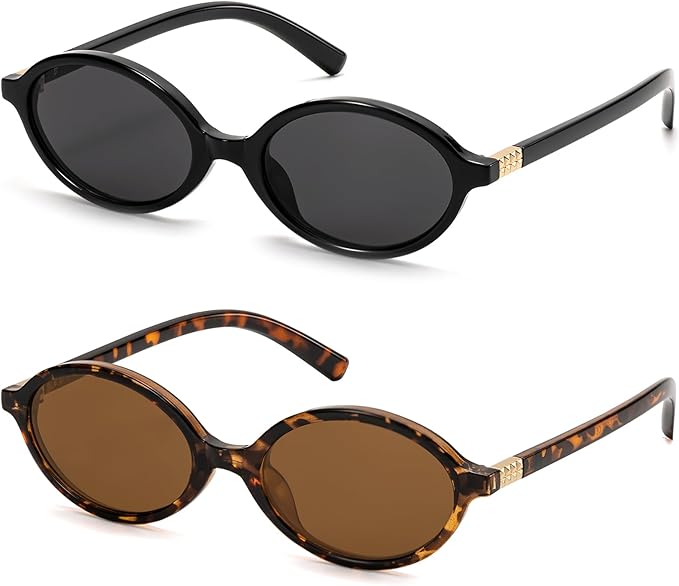
ViewJoy
Retro Oval Sunglasses
Small oval sunglasses with a 90s-inspired silhouette and UV400 lens protection—a quick way to add a vintage edge to everyday looks.
Shop the sunglasses
Affiliate disclosure: This section contains affiliate links. If you make a purchase through these links, I may earn a commission at no additional cost to you. Product selection, pricing, availability, and delivery terms may change—please review the current details on Amazon before purchasing.
As an Amazon Associate I earn from qualifying purchases.