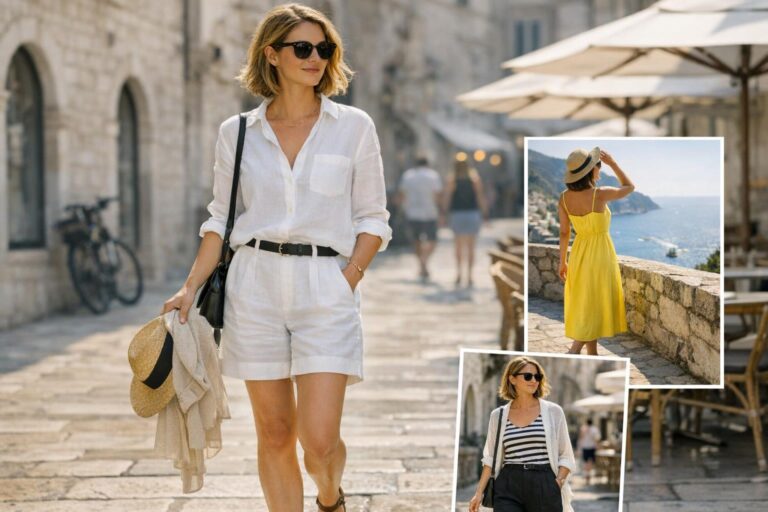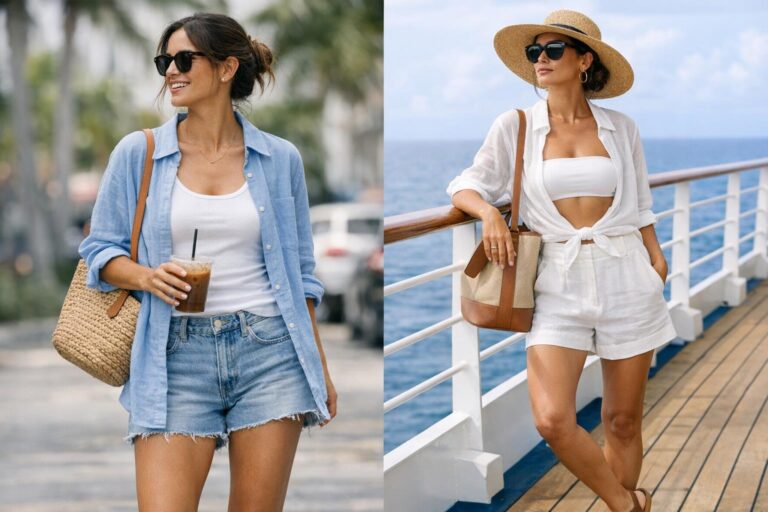
13 Vintage Summer Outfits That Look Modern (Thrift + Basics)
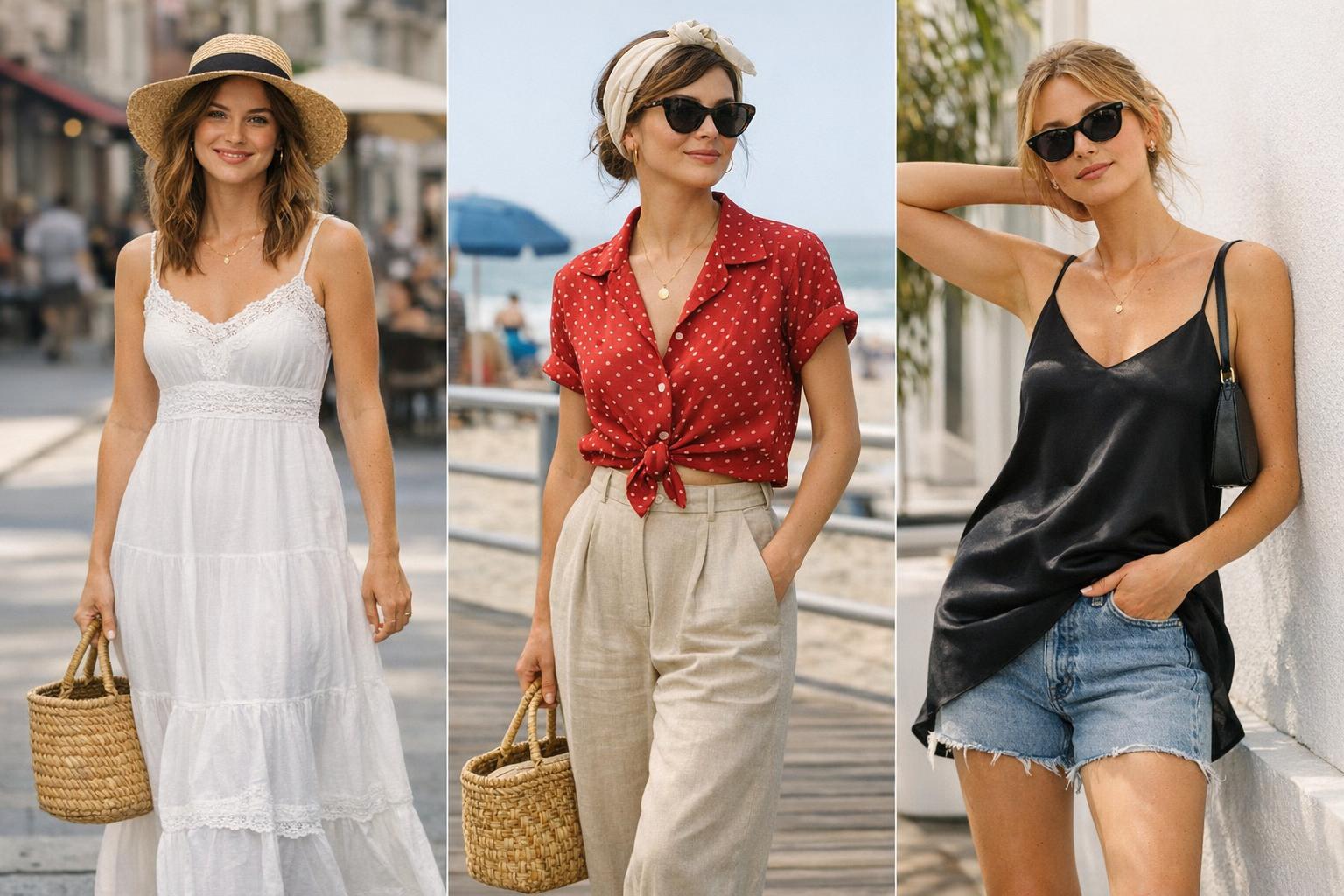
Vintage Summer Outfits: A Modern Guide to Throwback Style You Can Actually Wear
Vintage summer outfits sit at the sweet spot between fashion history and everyday practicality: breathable silhouettes, playful prints, and accessories that instantly add personality. Right now, much of the inspiration people gravitate toward comes from two places—archival celebrity looks (think mid-century icons) and modern celebrities stepping out in true vintage pieces like gingham dresses, slip dresses, and vintage denim (including jorts). The goal isn’t to look like you’re in costume; it’s to translate the best ideas from past decades into outfits that make sense for real summer days, from city heat to beach weekends.
This guide breaks down vintage-inspired summer looks by decade, then gets practical: how to build outfits on a budget, how to style vintage pieces with modern basics, what to look for when you shop, and how to care for delicate older fabrics so they last. If you want vintage summer outfit ideas that feel current—without losing that throwback charm—start here.
What “Vintage Summer Outfits” Means Today
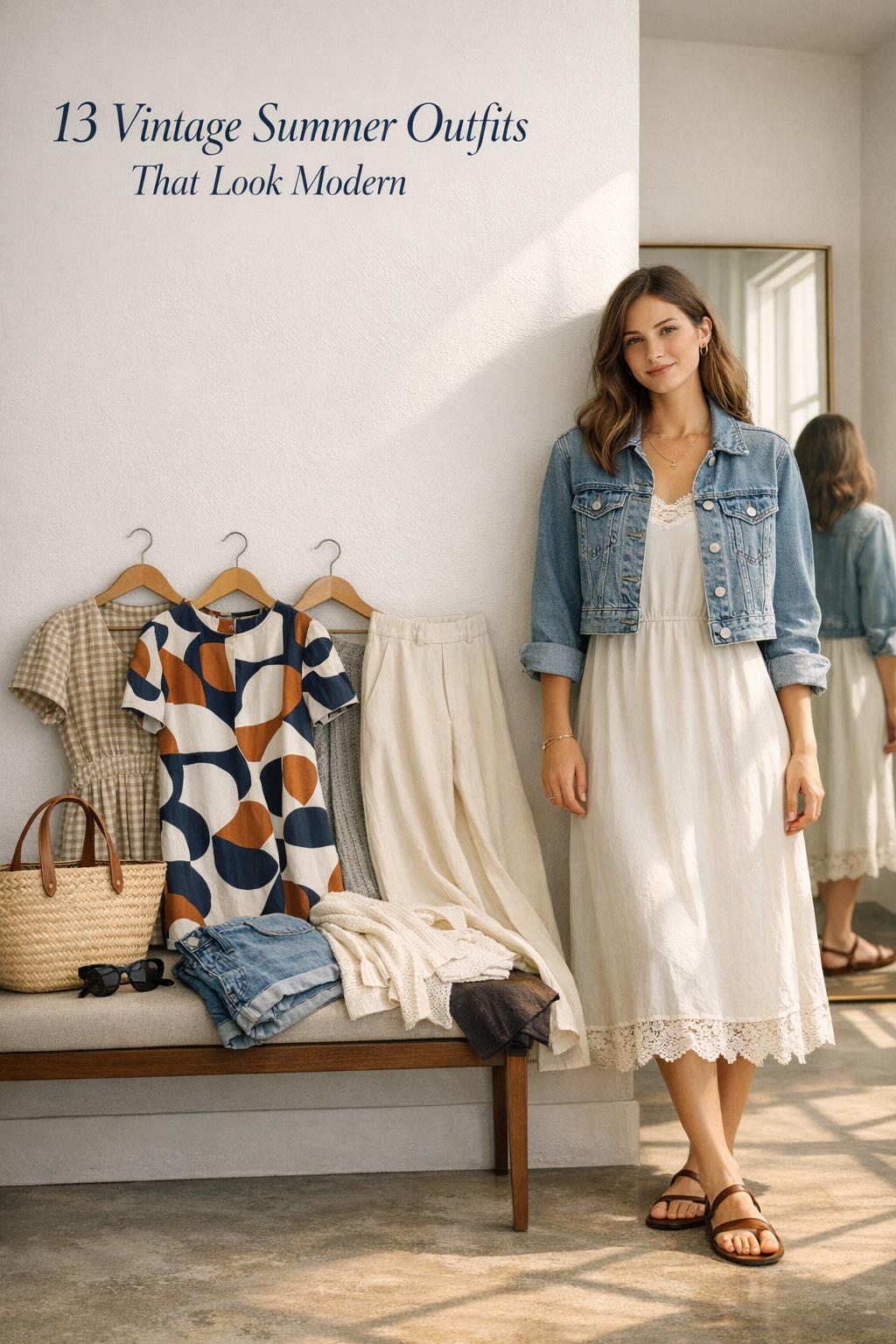
In everyday style conversations, “vintage summer outfits” can mean two related things: authentic vintage clothing (pieces from past decades) and vintage-inspired summer looks (newer items that borrow silhouettes, fabrics, prints, or styling cues from earlier eras). Online, you’ll see both, often in the same outfit: a true vintage dress paired with modern sandals, or a modern slip dress finished with vintage accessories.
The Fashion-Note Edit
Five effortless pieces to refresh your everyday wardrobe
A polished, practical edit for workdays, weekends, and everything in between.

The Drop
Women’s Blake Long Blazer
A longline, tailored blazer with a notched collar and a single-button closure—an easy layer for denim, dresses, or office-ready looks.
Shop the blazer
Amazon Essentials
Women’s Lightweight Crewneck
A soft, lightweight sweater with a clean crew neckline—the kind of reliable layer that works from cool mornings to air-conditioned spaces.
Shop the sweater
Amazon Essentials
Women’s Loafer Flat
A classic flat loafer that gives casual outfits a more polished finish and pairs naturally with tailored pants, skirts, and straight-leg jeans.
Shop the loafers
Levi’s
Women’s 501 90s Jeans
A relaxed, vintage-inspired take on the iconic 501 silhouette—made for an easy, lived-in look without the thrift-store search.
Shop the jeans
Colorfulkoala
High-Waisted 7/8 Leggings with Pockets
Soft, four-way-stretch leggings with side pockets and a high-rise waistband—designed for movement, errands, and off-duty comfort.
Shop the leggings
Affiliate disclosure: This section contains affiliate links. If you make a purchase through these links, I may earn a commission at no additional cost to you. Product selection, pricing, availability, and delivery terms may change—please review the current details on Amazon before purchasing.
As an Amazon Associate I earn from qualifying purchases.
What makes something feel “vintage” in summer usually comes down to recognizable details—like an A-line shape, a gathered waist, gingham checks, tea-length hems, wide-leg pants, or denim shorts with a distinctly retro cut. Celebrity style has kept these references visible for decades, and today’s outfit inspiration often connects archival images (mid-20th century icons) to wearable outfit formulas for the present.
Your wedding style is personal.
Your plan should feel that way, too.
Zarellea keeps your guest list, budget, vendors, and every next step beautifully organized — so you can focus on the moments that feel like you.
Think of this as translation rather than replication: you’re borrowing the silhouette, the print, or the styling trick, and then updating proportions and comfort so it works for your schedule and climate.
Decade-by-Decade Capsule: 1920s to 1990s Summer Staples
A decade approach helps because each era offers a clear “shortcut” to a cohesive outfit. Below, you’ll find the signature summer silhouettes and how to recreate them with a mix of authentic vintage and modern equivalents. Use these as a capsule mindset: pick one decade as your base vibe, then borrow one detail from another decade to keep it personal.
1920s: Long, Lacy, and Art Deco Details
For summer, the 1920s look often translates best through texture and detail rather than heavy layering. A long-and-lacy feel is an approachable entry point: elongated lines, delicate trim, and accessories that hint at art deco. Instead of going full flapper costume, focus on one statement element—like fringe or a decorative accessory—then keep everything else simple.
Try building a 1920s-inspired outfit around a long, airy dress with lace accents, then add a single standout accessory. If you’re recreating the vibe with modern pieces, keep the palette calm and let texture do the work.
Tips: If a 1920s-inspired dress feels too formal for daytime, “dress it down” with modern footwear and minimal jewelry. The contrast helps it feel like an outfit, not a theme.
1940s: Layered Summer Dressing That Still Breathes
The 1940s are often associated with practical structure—think defined shapes and clever layering. In summer, this can look surprisingly wearable: a light layer over a simple base, or a more tailored top paired with a breezier bottom. The key is to keep fabrics and layers light so you get the “put-together” effect without overheating.
One reason this decade works so well for modern summers is that the outfit logic is timeless: build a base, add a finishing layer, and anchor with accessories. Even if you’re not wearing authentic vintage, the silhouette can still read as vintage-forward when you choose pieces with gentle structure.
Tips: If you want the 1940s feel without the weight, think “layering without bulk.” A lightweight cardigan over a summer dress can create that era’s polished look while staying comfortable.
1950s: Ruffled, Refined, and Tea-Length Ease
Many people picture the 1950s as the golden era of classic summer outfits: feminine shapes, defined waists, and easy day dresses. For a modern take, look for tea-length or midi dresses, subtle ruffles, and refined finishing touches. This decade’s popularity in summer styling comes from how naturally it aligns with warm-weather dressing—one-piece outfits, comfortable movement, and instant visual impact.
If you love the idea of a 1950s day dress but want it to feel current, the easiest update is pairing it with modern accessories or shoes. You keep the silhouette, but you shift the styling language into today.
Tips: Choose one “retro signal” at a time—tea-length hem, gathered waist, or a refined ruffle—then keep the rest streamlined. This is the fastest route to vintage-inspired rather than vintage-costume.
1960s: Mod Minis, A-Line Shapes, and Bold Print Energy
The 1960s summer story is crisp and graphic: A-line minis, mod prints, and simple shapes that feel breezy in heat. This is one of the easiest decades to modernize because the silhouettes already match many contemporary summer staples—clean lines, shorter hems, and playful patterns.
To make a 1960s-inspired outfit feel wearable, keep the shape uncomplicated and the styling minimal. Let the print or cut be the point, then add one or two accessories max. If you love a vintage dress for summer, a 1960s A-line silhouette can be a great “first vintage” purchase because it’s straightforward to style.
Tips: If you’re unsure about a mini, borrow the decade’s A-line shape in a longer hemline. You’ll still get the mod effect while staying within your comfort zone.
1970s: Wide-Leg Pants and Relaxed Summer Cool
For summer, the 1970s shine through in wide-leg pants and an easy, elongated silhouette. This is a strong option when you want coverage without heaviness: wide-leg trousers allow airflow while still looking intentional. Pairing wide-leg bottoms with a simpler top keeps the proportions balanced and lets the shape do the styling work.
Because wide-leg silhouettes remain popular, you can lean 1970s without needing a head-to-toe vintage outfit. One well-chosen pair of pants can carry the decade signal on its own.
Tips: When you’re building outfits around wide-leg pants, keep one element fitted or streamlined. It’s a simple proportion rule that makes vintage-inspired silhouettes feel modern and flattering in summer.
1980s: Casual Comfort, Bold Details, and Easy Summer Statements
The 1980s offer two useful summer angles: casual comfort and bold “detail moments.” A casual-and-comfy outfit can still read vintage when it has a signature shape or styling cue associated with the decade. Even if you’re not going full shoulder drama, a slightly bolder proportion or color choice can nod to the era.
This decade is also great for mixing with basics. If your wardrobe leans minimalist, an ’80s-leaning top or accessory can be the one piece that turns a plain summer outfit into something memorable.
Tips: If bold color feels intimidating, introduce the ’80s through one detail: a stronger shoulder line, a more pronounced shape, or a single accessory that adds punch to an otherwise neutral outfit.
1990s: Slip Dresses, Minimalism, and Vintage Denim (Including Jorts)
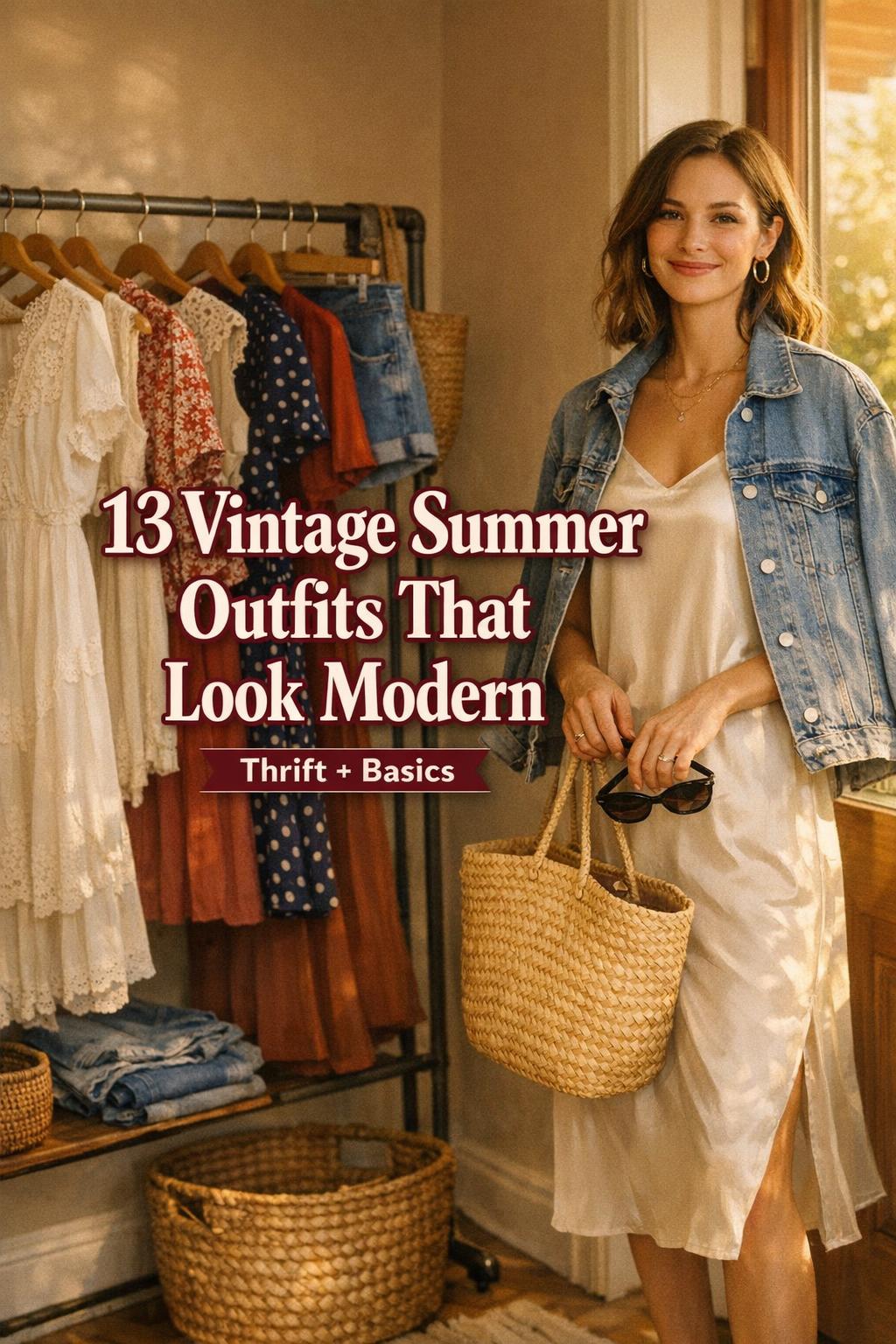
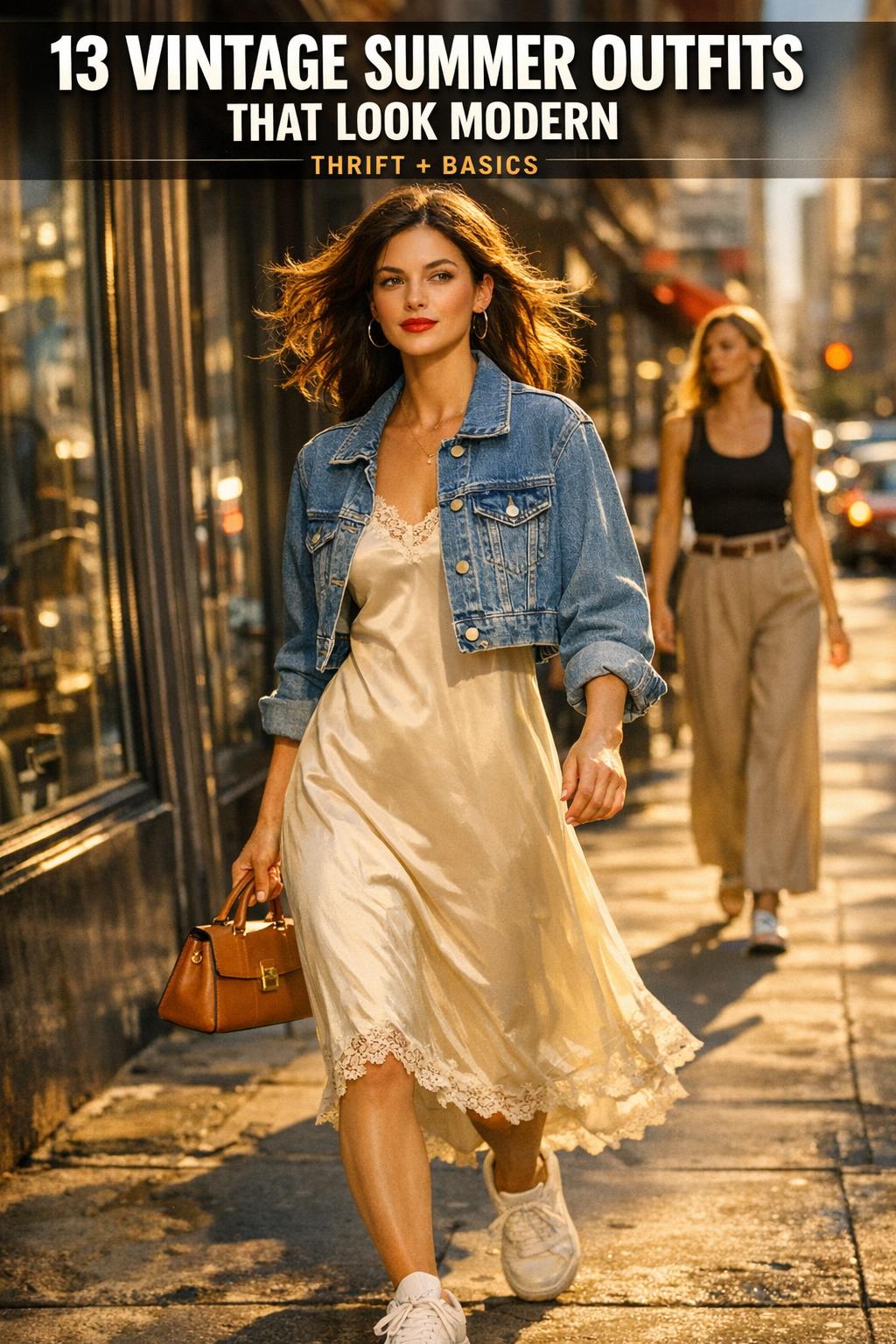
The 1990s are a cornerstone of modern vintage-inspired summer looks. Two staples dominate: the slip dress and vintage denim. Slip dresses translate especially well to hot weather because they’re simple, lightweight, and easy to style up or down. Vintage denim—especially denim shorts and jorts—anchors casual summer outfits and pairs effortlessly with both vintage-inspired tops and modern basics.
What makes the ’90s so wearable now is the outfit formula: clean lines plus a statement accessory, or denim plus an elevated shoe. You can start with one item—a slip dress, a vintage denim short—and build multiple outfits around it all season.
Tips: To keep a slip dress from feeling too “evening,” style it simply for day with low-key accessories and comfortable shoes. For denim shorts or jorts, balance the casual feel with a slightly more refined top or a polished accessory.
Iconic Vintage Summer Looks to Copy Now (With Modern Translations)
One reason vintage summer fashion stays evergreen is the power of iconic reference points. Archival celebrity images from the 1940s through the 1960s—and modern celebrity moments featuring real vintage—provide ready-made outfit ideas that still feel relevant. Use the looks below as a “visual checklist”: silhouette, fabric/print, and accessory choice.
- 1960s-inspired sleeveless day look: Clean lines and a simple silhouette that feels breezy and polished for city summer.
- 1940s-style layered outfit: A lightweight top layer over a summer base piece for a refined, practical look.
- 1950s day dress moment: A tea-length or midi dress with a defined shape, styled with modern accessories for an updated finish.
- Vintage gingham dress energy: Gingham reads instantly summery, and a gathered waist or soft structure makes it feel both vintage and wearable.
- Slip dress minimalism: A simple slip dress paired with understated accessories for an effortless warm-weather uniform.
- Vintage denim shorts or jorts: Retro denim as the anchor, styled with a vintage-inspired top and sandals for a casual classic.
- Retro beachwear inspiration: Vintage bikini influences translated into modern swimwear styling that nods to archival silhouettes.
- Classic summer outfit formula with a vintage-forward vibe: Think silky shirt + long shorts + mules, or a vest top + sarong skirt for an easy throwback feel.
The throughline is simple: pick one recognizable vintage cue (gingham, slip silhouette, tea-length shape, vintage denim) and let it lead. Then keep the rest of the outfit grounded in comfortable modern pieces so it fits your day-to-day life.
How to Style Vintage Pieces for Modern Summers
The most successful vintage-inspired summer outfits feel intentional rather than theatrical. That usually happens when you treat vintage as one element in a modern outfit equation—either the hero piece (like a vintage dress) or the supporting player (like a vintage accessory). The sections below focus on what consistently works in warm weather and why.
Silhouettes That Stay Comfortable in Heat
In summer, comfort comes from airflow, ease of movement, and minimal fuss. Vintage-forward silhouettes often excel here: A-line shapes don’t cling, midi and tea-length hems offer coverage without heaviness, and wide-leg pants can be cooler than tight bottoms. Slip dresses are a warm-weather favorite because they’re uncomplicated and easy to adjust with accessories.
Tips: If you’re wearing a more structured vintage silhouette, keep the rest of the outfit lightweight—especially footwear and accessories. This keeps the overall look summer-appropriate.
Color Palettes and Prints That Feel Current
Print is one of the easiest ways to make an outfit feel vintage. Gingham is a standout for summer because it reads classic and playful at the same time. Mod prints can instantly evoke the 1960s. Meanwhile, minimalist solid tones help slip dresses and simple silhouettes feel modern, even when the cut references the past.
Tips: When you wear a strong vintage print, simplify everything else. Let the pattern be the personality, and keep accessories clean and practical.
Accessorizing: The Fastest Way to Signal “Vintage” Without Going Full Retro
Accessories are the bridge between vintage and modern. Many vintage-focused outfit roundups rely on this trick: take a basic silhouette and elevate it with vintage accessories. This approach works especially well in summer, when you may want simpler clothing due to heat but still want the look to feel styled.
Use accessories to steer the decade reference. A refined, classic accessory can lean mid-century; a bolder, more graphic touch can lean mod; a minimal accessory can complement a ’90s slip dress. The clothing can stay easy—the accessories do the storytelling.
10 Practical Ways to Build a Vintage Summer Wardrobe on a Budget
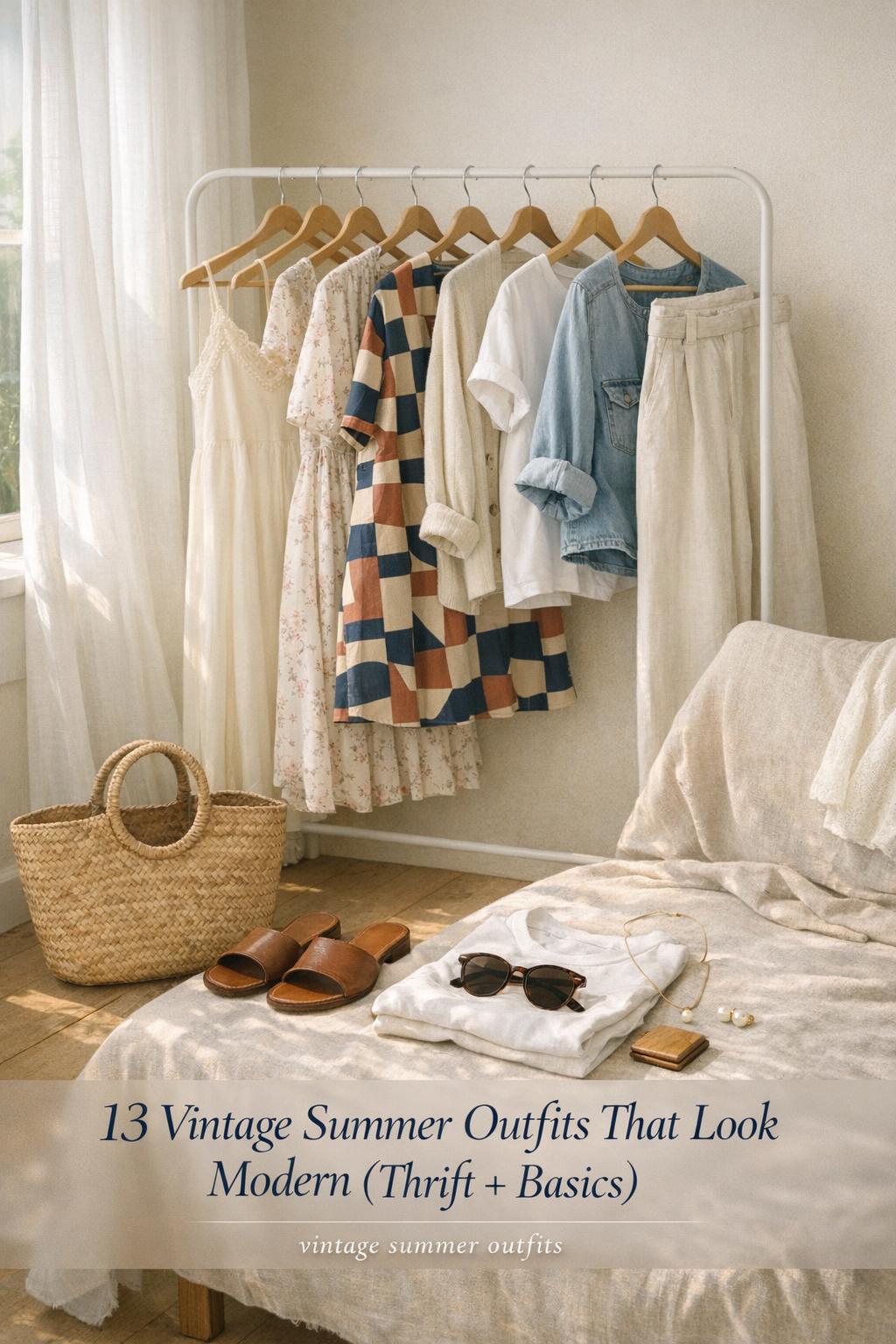
You don’t need a closet full of rare finds to wear vintage summer outfits. A small collection of versatile pieces—plus a few smart shopping habits—can give you a summer rotation that looks distinct, personal, and repeatable. The key is to focus on mix-and-match staples and to treat “vintage-inspired” as a valid option when authentic vintage is harder to find or care for.
- Start with one hero piece: Choose a vintage dress, a slip dress silhouette, or vintage denim (shorts or jorts) and build outfits around it.
- Pick a decade “home base”: Decide whether you’re most drawn to 1950s refinement, 1960s mod simplicity, 1970s wide-leg ease, or 1990s minimalism.
- Use outfit formulas: Classic summer outfit templates (like a silky shirt with long shorts) make vintage styling feel effortless.
- Prioritize re-wearability: Look for pieces that work across multiple settings—daytime errands, weekend plans, casual dinners.
- Mix authentic with modern: Let one vintage item shine and use modern basics for fit, comfort, and durability.
- Shop for silhouettes, not labels: A gathered waist, A-line cut, or tea-length hem can deliver the vibe even if it’s not a high-profile piece.
- Lean on accessories: When your budget is tight, a vintage-forward accessory can transform a simple summer outfit.
- Keep a short wishlist: Gingham dress, slip dress, vintage denim shorts/jorts, wide-leg pants, and a refined summer dress silhouette are repeat-friendly targets.
- Think “capsule” in hot weather: Summer outfits benefit from fewer, better pieces that rotate easily rather than lots of complicated separates.
- Leave room for tailoring or repairs: If you buy authentic vintage, you may need small adjustments or fixes—plan for it as part of the purchase.
Tips: If you’re building slowly, aim for one new addition per month during the season—a vintage dress one month, denim the next, then an accessory. This keeps your wardrobe cohesive and prevents one-off buys that don’t pair with anything else.
Seasonal Shopping Guide: Where to Buy Authentic Vintage for Summer
Shopping for vintage summer outfits usually falls into three lanes: thrift finds, consignment or curated shops, and online marketplaces. Each path can work; what matters is matching your expectations to the experience. Thrift can be budget-friendly and unpredictable, curated vintage can be more expensive but edited, and online can offer variety while requiring extra attention to sizing and condition.
Thrift Finds vs. Consignment vs. Online Marketplaces
Thrift shopping rewards patience and a clear plan: go in knowing you’re hunting for silhouettes (A-line, tea-length, wide-leg) and summer-friendly staples like dresses and denim shorts. Consignment and curated vintage are often easier when you want a specific decade vibe or a more wearable, pre-edited selection. Online marketplaces can help you find specific items—like a gingham dress or slip dress—when local options come up short, but you’ll want to be especially careful about measurements and clear photos.
Tips: When you’re shopping online, treat measurements and condition notes as non-negotiable. A “vintage-inspired summer look” is only a win if you’ll actually wear it, which depends on fit and comfort.
Budget Tiers: Under $50, $50–$200, $200+
Budgets for vintage can vary widely, so it helps to define what each tier is best for. Under $50 is often the sweet spot for experimenting—especially accessories or simpler pieces. The $50–$200 range is where you can build your core rotation: a wearable vintage dress, a great pair of vintage denim shorts, or a high-quality summer staple with clear decade identity. Above $200 tends to be for standout pieces, rarer finds, or highly curated items—better as occasional investments than the foundation of your entire summer wardrobe.
Tips: If you’re buying one higher-priced item, pick the piece with the highest “outfit yield”—something you can wear in at least three different ways. Slip dresses and vintage denim are often strong candidates because they pair easily with multiple tops, shoes, and accessories.
Maintenance and Care for Vintage Summer Finds
Vintage clothing can be delicate, and summer adds extra challenges: heat, sweat, sunscreen, and frequent wear. Caring for your pieces doesn’t have to be complicated, but it does require intention. Before you wear a newly purchased item, check its condition and make sure you understand how sensitive it is to washing and storage.
Cleaning: Keep It Gentle and Consistent
The safest approach is to treat older garments as more fragile than modern ones. If a piece feels delicate or has intricate details, be cautious with aggressive washing. Summer staples like dresses and tops may need more frequent cleaning, so it’s worth thinking ahead: rotate pieces to reduce wear-and-tear, and avoid pushing a delicate vintage item into heavy weekly use if it can’t handle it.
Tips: If you’re unsure, start with the least risky approach and avoid harsh treatment. Preserving the shape and details is part of what makes vintage special in the first place.
Storage: Protect Shape, Color, and Details
Summer clothing often gets packed, folded, and tossed into weekend bags. Vintage pieces benefit from a bit more care: store them in a way that protects their structure and keeps embellishments from snagging. If you’re building a small vintage summer capsule, give your hero pieces a dedicated spot so they don’t get crushed by heavier items.
Tips: If you’re traveling, consider bringing vintage-inspired items rather than your most delicate authentic pieces. You’ll still get the look without risking damage from heat, friction, or tight packing.
Repairs and Fit Tweaks: Small Fixes, Big Payoff
Authentic vintage sometimes needs minor repairs or small fit adjustments. In summer, the right fit matters even more because you’re wearing fewer layers—there’s nowhere for discomfort to hide. A simple tweak can turn a “special occasion only” piece into something you reach for regularly.
Tips: When you’re evaluating a potential purchase, ask yourself whether a minor repair or adjustment would make it a true staple. If yes, it may be worth it—especially for versatile shapes like A-line dresses, refined day dresses, and slip silhouettes.
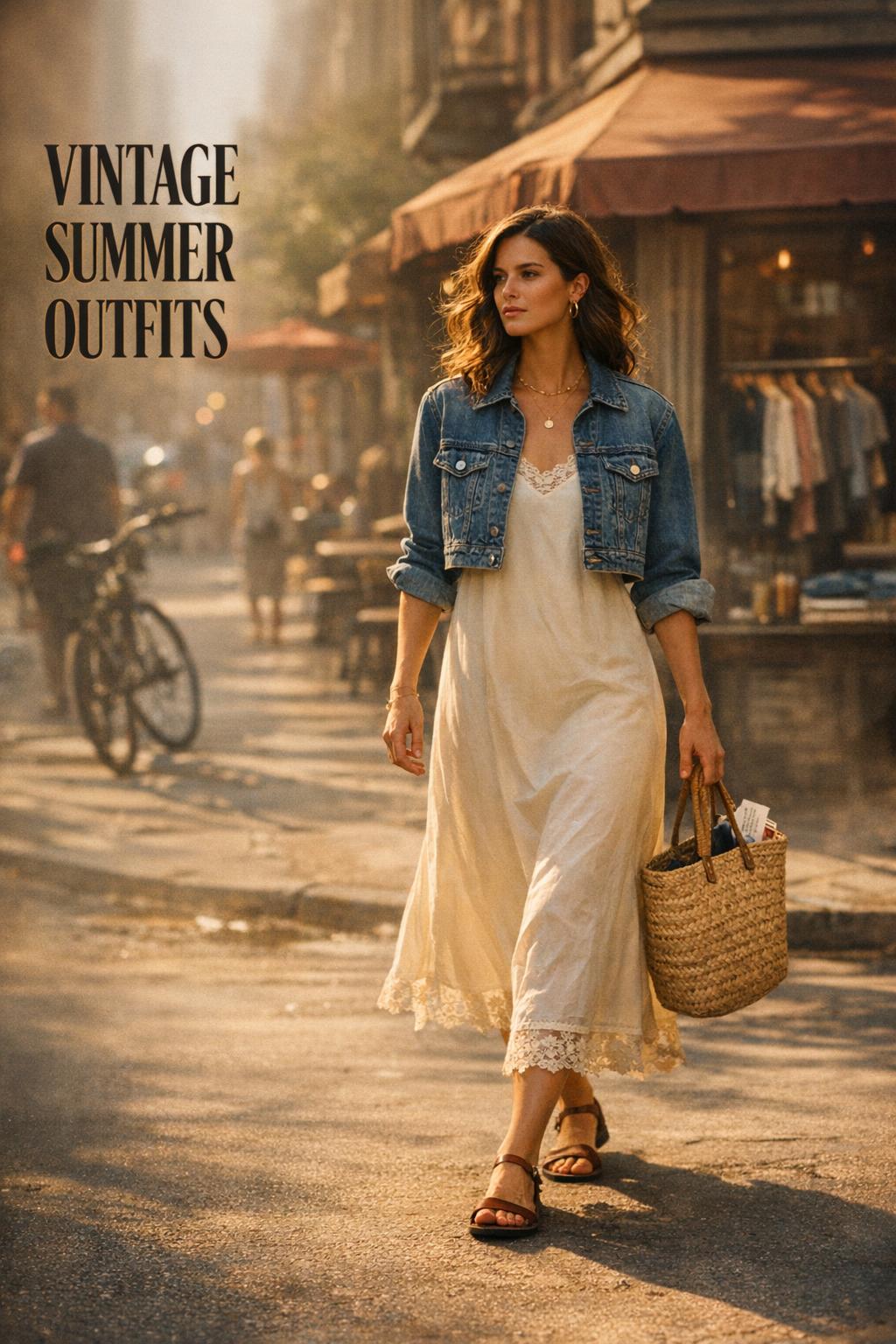
Your 30-Day Vintage Summer Challenge
If you want to build confidence with vintage summer outfits, a short, structured challenge makes it easier. Instead of trying to overhaul your whole closet, commit to adding vintage or vintage-inspired styling in small steps. The purpose is repetition: once you see how easily a gingham dress, slip dress, or vintage denim can slot into your routine, the style becomes second nature.
- Week 1: Wear one vintage-inspired accessory with a basic summer outfit (simple dress, shorts, or easy separates).
- Week 2: Build one full look around a single vintage cue (gingham, tea-length silhouette, A-line shape, or wide-leg pants).
- Week 3: Repeat your best outfit formula twice, changing only shoes or accessories to prove it’s re-wearable.
- Week 4: Create two outfits from different decades (for example, a 1960s-inspired A-line day look and a 1990s slip dress look) and note what felt most “you.”
Tips: Take quick mirror photos on the days you feel best. Over time, you’ll spot patterns—favorite silhouettes, preferred hem lengths, and the accessories that consistently make your outfits feel finished.
FAQ
What constitutes “vintage” versus “vintage-inspired”?
“Vintage” typically refers to authentic older pieces from past decades, while “vintage-inspired” describes newer clothing designed to echo vintage silhouettes, prints, or styling cues. Both approaches can create great vintage summer outfits, and mixing the two is often the easiest way to get a wearable, modern result.
How do I style a vintage dress for summer without looking like I’m wearing a costume?
Choose one strong vintage element (like the silhouette or a print such as gingham) and keep everything else modern and simple, especially shoes and accessories. Minimal styling, clean proportions, and practical summer pieces help the look feel current rather than theatrical.
Can vintage pieces be comfortable in hot climates?
Yes, especially when you prioritize breathable silhouettes like A-line dresses, slip dresses, tea-length or midi shapes, and wide-leg pants. Comfort also improves when you limit heavy layering and use modern basics alongside your vintage pieces.
What are the easiest vintage summer outfits to start with?
Begin with simple, repeatable staples that show up across modern vintage styling: a gingham dress, a slip dress, or vintage denim shorts or jorts. These pieces work with many tops, shoes, and accessories, making them easy to re-wear in different ways.
How can I build a vintage summer wardrobe on a budget?
Focus on one hero piece at a time and build around it with modern basics, thrifted finds, and versatile accessories. Outfit formulas and mix-and-match thinking help you get more looks from fewer items, which is especially useful for summer wardrobes.
Where should I shop for authentic vintage summer pieces?
You can find authentic vintage through thrift stores, consignment or curated vintage shops, and online marketplaces. Each has trade-offs—thrift is unpredictable, curated shops are edited and often pricier, and online offers variety but requires extra attention to measurements and condition.
What’s a simple way to make a modern outfit look more vintage?
Add a single vintage-forward element, such as a gingham print, a slip silhouette, an A-line shape, or a vintage accessory. Keeping the rest of the outfit minimal lets that one detail read clearly and makes the overall look feel intentional.
How do I care for vintage clothing during summer when I’m wearing it more often?
Be gentle and consistent: rotate pieces to reduce wear, avoid harsh cleaning if a garment feels delicate, and store items in a way that protects their shape and details. If you’re unsure about a piece’s durability, consider wearing vintage-inspired alternatives for high-heat days or travel.
Finish the look
The little extras that make a summer outfit feel complete
From beach days to city weekends, these easy pieces bring comfort, texture, and a polished finishing touch.

FENBEN
Straw Hobo Crossbody Bag
A handwoven straw bag with both short and crossbody straps—an effortless finishing touch for vacation looks and warm-weather outfits.
Shop the bag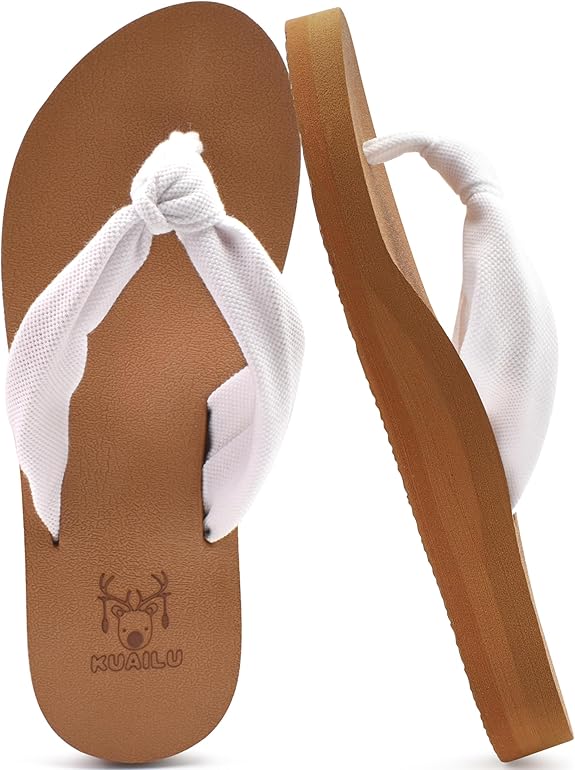
KuaiLu
Flip Flops with Arch Support
Cushioned, lightweight sandals with supportive arch design—a practical choice for beach trips, errands, and long summer walks.
Shop the sandals
baleaf
Athletic One-Piece Swimsuit
A functional one-piece with adjustable straps and moderate coverage, designed for swimming, training, surfing, and active beach days.
Shop the swimsuit
Astylish
Linen-Cotton Button-Down Shirt
A relaxed cotton-linen shirt with a collared V-neck and roll-up sleeves—easy to style over swimwear or with denim and shorts.
Shop the shirt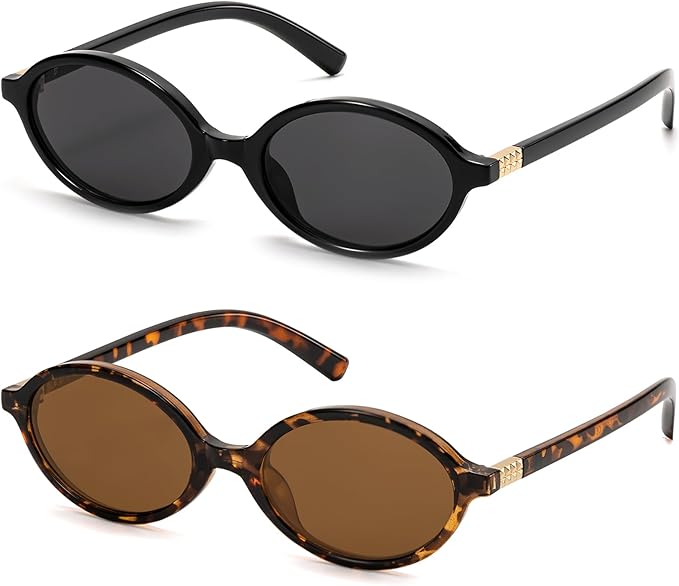
ViewJoy
Retro Oval Sunglasses
Small oval sunglasses with a 90s-inspired silhouette and UV400 lens protection—a quick way to add a vintage edge to everyday looks.
Shop the sunglasses
Affiliate disclosure: This section contains affiliate links. If you make a purchase through these links, I may earn a commission at no additional cost to you. Product selection, pricing, availability, and delivery terms may change—please review the current details on Amazon before purchasing.
As an Amazon Associate I earn from qualifying purchases.