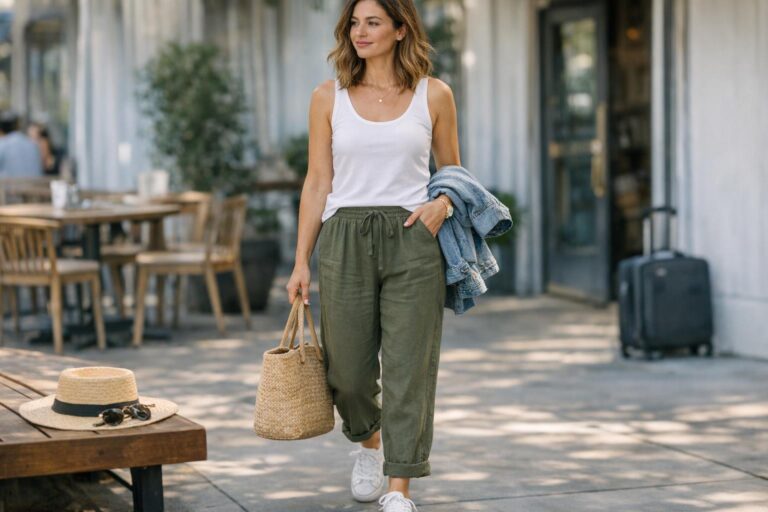
7 Alternative Spring Outfits for US Transitional Weather
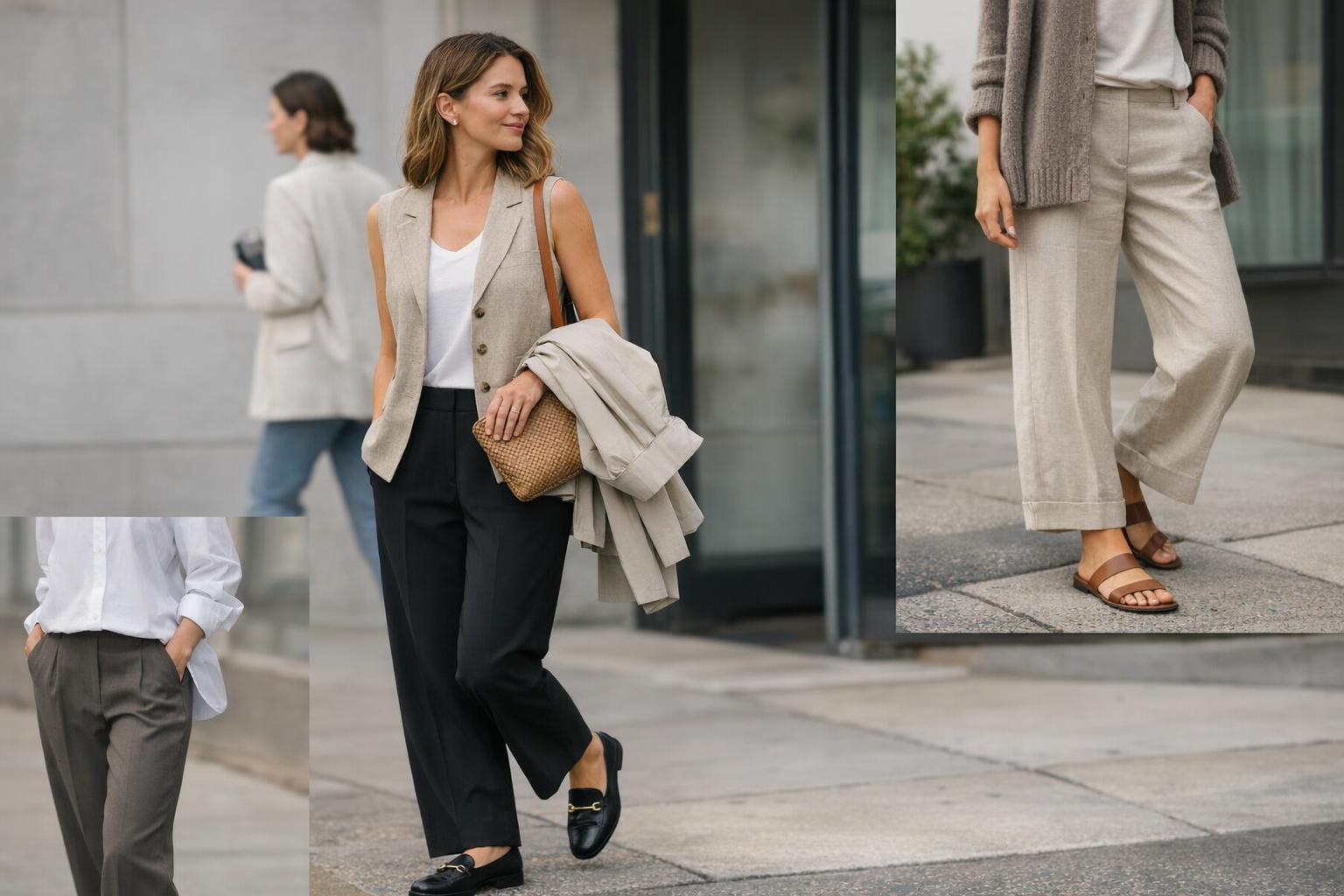
Alternative Spring Outfits: Fresh, Wearable Looks That Break From Jeans
This post may contain affiliate links. As an Amazon Associate, we earn from qualifying purchases.
Alternative spring outfits are for anyone who wants that “new season” feeling without defaulting to the same jeans-and-tee routine or relying on one-note dresses. Spring weather is changeable, your calendar shifts fast from errands to dinners to workdays, and your wardrobe works best when it’s flexible: layers you can add or remove, breathable fabrics that still handle chilly mornings, and outfit formulas that look intentional with minimal effort.
This guide focuses on wearable spring wardrobe ideas that go beyond denim while staying practical. You’ll find core pieces that mix easily, 12 complete outfit ideas, occasion-based formulas, inclusive styling notes (including plus-size and petite considerations), and straightforward color and fabric guidance for transitional spring days.
The Fashion-Note Edit
Five effortless pieces to refresh your everyday wardrobe
A polished, practical edit for workdays, weekends, and everything in between.

The Drop
Women’s Blake Long Blazer
A longline, tailored blazer with a notched collar and a single-button closure—an easy layer for denim, dresses, or office-ready looks.
Shop the blazer
Amazon Essentials
Women’s Lightweight Crewneck
A soft, lightweight sweater with a clean crew neckline—the kind of reliable layer that works from cool mornings to air-conditioned spaces.
Shop the sweater
Amazon Essentials
Women’s Loafer Flat
A classic flat loafer that gives casual outfits a more polished finish and pairs naturally with tailored pants, skirts, and straight-leg jeans.
Shop the loafers
Levi’s
Women’s 501 90s Jeans
A relaxed, vintage-inspired take on the iconic 501 silhouette—made for an easy, lived-in look without the thrift-store search.
Shop the jeans
Colorfulkoala
High-Waisted 7/8 Leggings with Pockets
Soft, four-way-stretch leggings with side pockets and a high-rise waistband—designed for movement, errands, and off-duty comfort.
Shop the leggings
Affiliate disclosure: This section contains affiliate links. If you make a purchase through these links, I may earn a commission at no additional cost to you. Product selection, pricing, availability, and delivery terms may change—please review the current details on Amazon before purchasing.
As an Amazon Associate I earn from qualifying purchases.
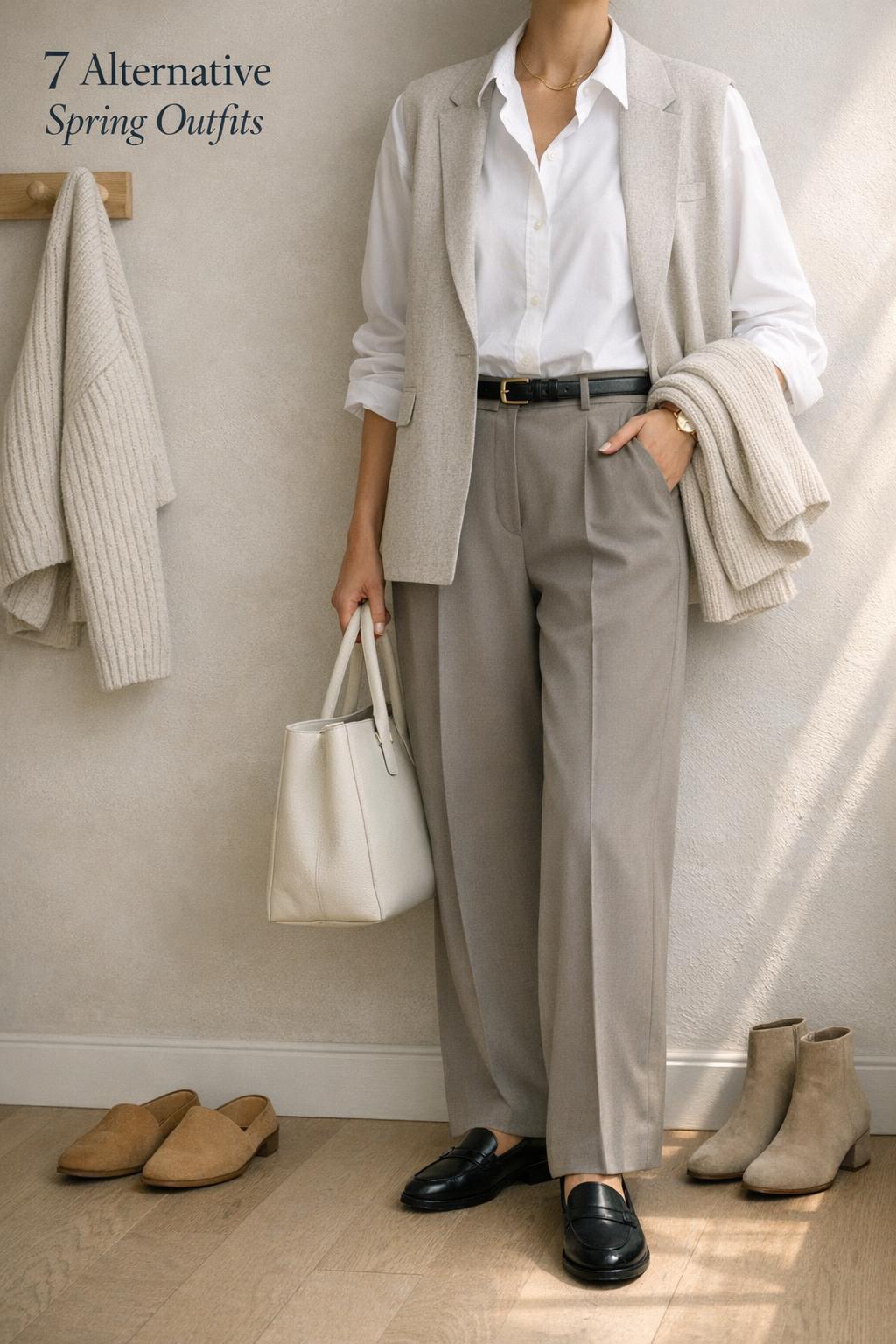
Why “alternative” spring outfits matter right now
Spring style often gets reduced to a few predictable categories: florals, light-wash denim, and a rotation of similar dresses. But real life in spring is transitional—some days feel warm, others swing cool, and many include both in the same 24 hours. Building outfits that aren’t anchored to jeans gives you more ways to manage temperature, dress codes, and comfort while still looking polished.
Your wedding style is personal.
Your plan should feel that way, too.
Zarellea keeps your guest list, budget, vendors, and every next step beautifully organized — so you can focus on the moments that feel like you.
“Alternative” also doesn’t have to mean extreme. It can be as simple as swapping denim for wide-leg trousers, choosing a vest set as a dress alternative, or leaning into minimalist outfit formulas with tailored pieces. The goal is variety: more silhouettes, more layering options, and more ways to style what you already own.
Tip: Use a two-layer rule for transitional days
When temperatures fluctuate, plan an outfit that looks complete with and without the outer layer. A vest set, a lightweight blazer, or a textured cardigan makes the outfit feel styled, and you can remove it without losing structure.
Core pieces that power every alternative spring look
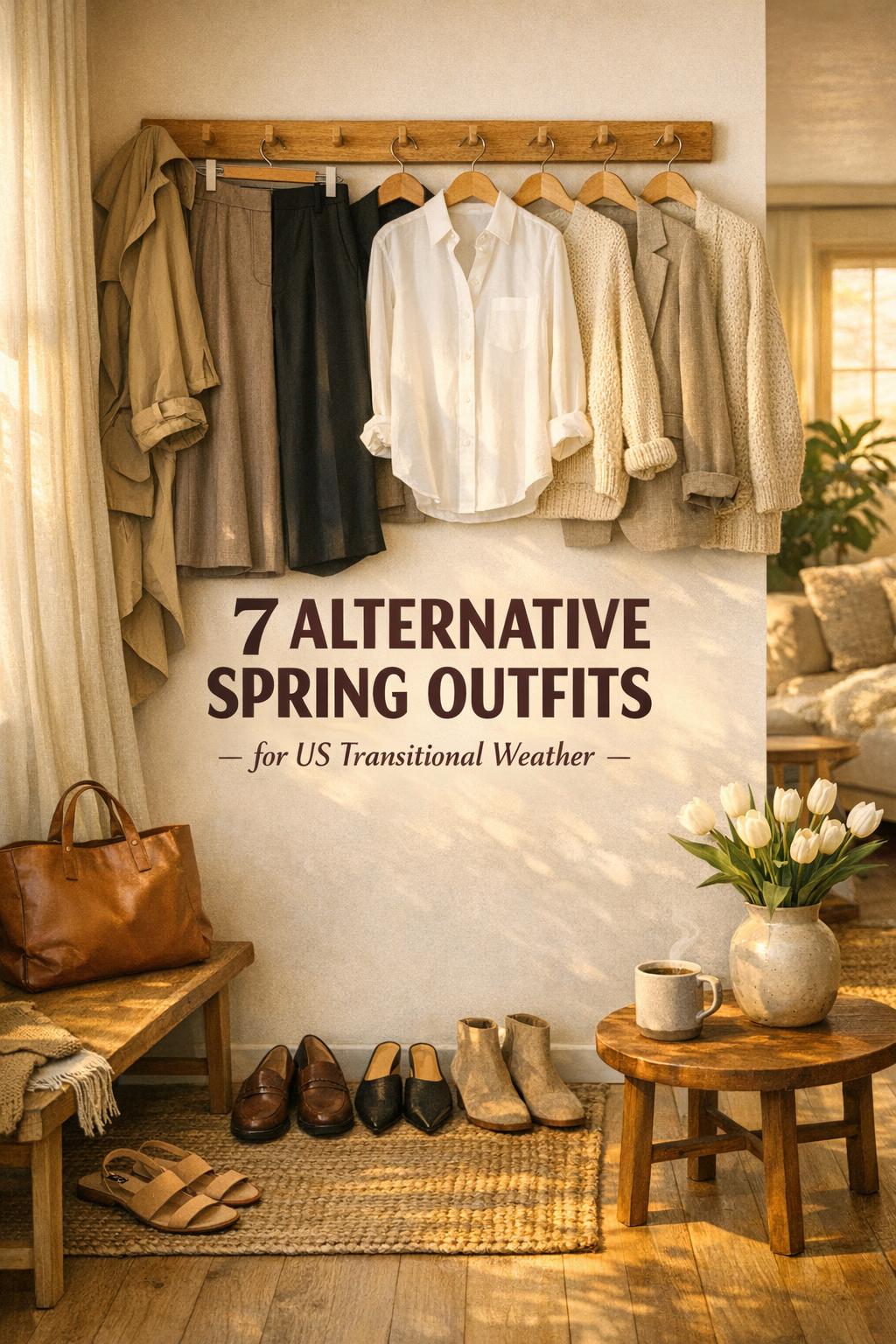
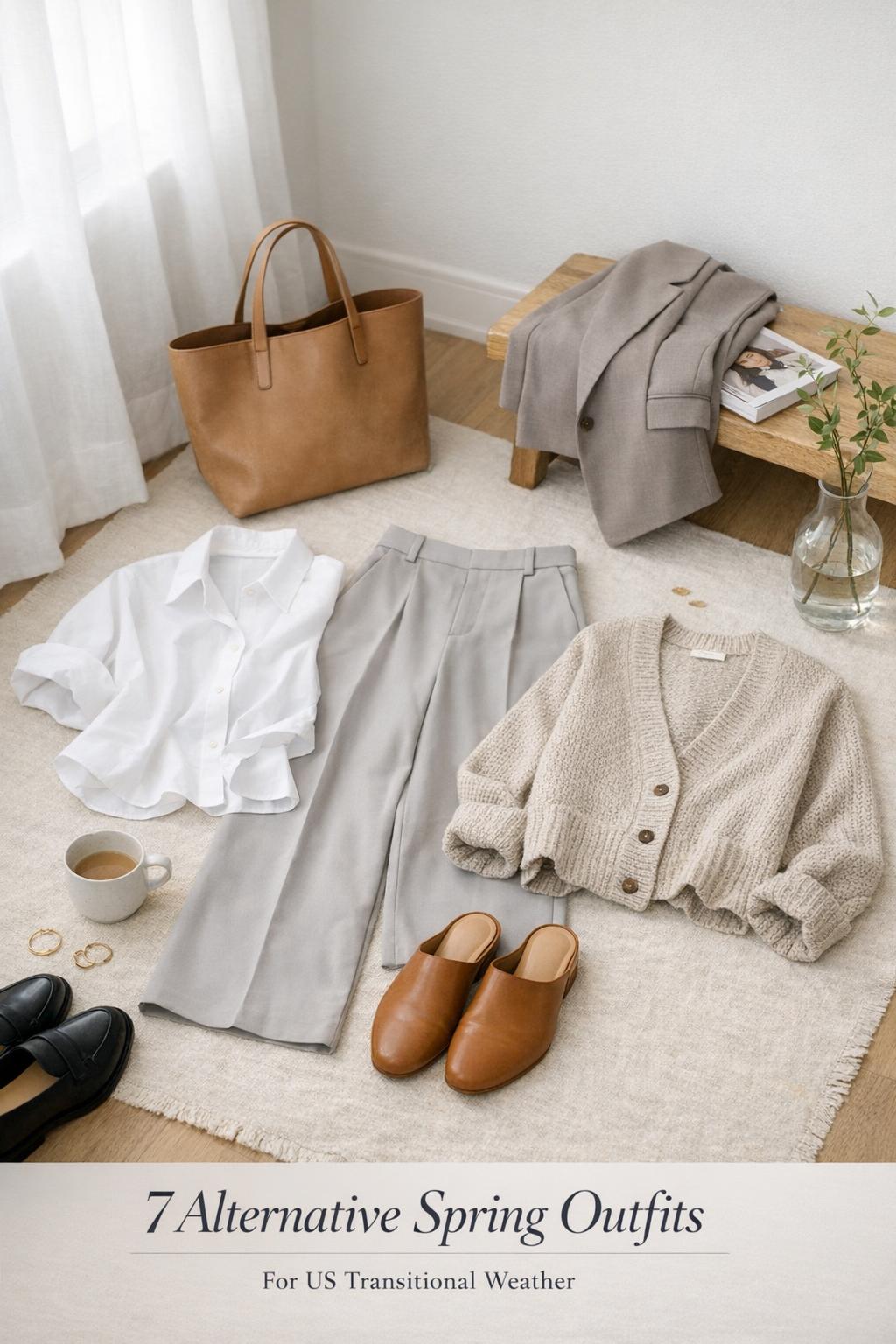
Most of the best spring outfits ideas—whether minimalist, trend-forward, or work-friendly—come back to a small set of versatile pieces. Think in terms of modules: bottoms that aren’t denim, layers that create shape, breathable fabrics, and shoes that can carry multiple dress codes.
Wide-leg trousers and non-denim pants
Non-denim pants are one of the fastest ways to make spring outfits feel fresh. Wide-leg trousers can read relaxed or tailored depending on the top and shoes, and they’re comfortable for long days. They also pair well with spring’s lightweight layers—structured blazers, vests, and breathable knits—without adding bulk.
For easy outfit formulas, anchor your look with trousers in a neutral and rotate tops: a crisp button-down, a simple knit, or a poplin shirt. If you want a more fashion-forward direction, go for bold tailoring—clean lines and intentional proportions that feel modern while staying wearable.
Dresses and dresses-as-outerwear combos
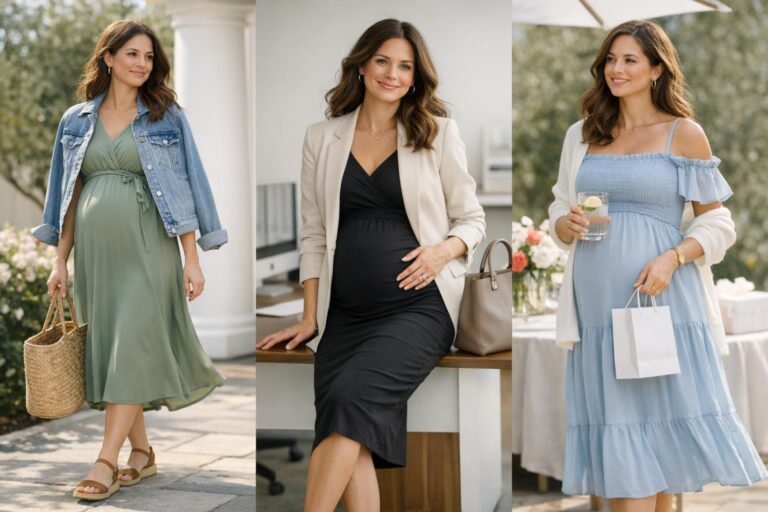
Dresses are a spring staple, but the alternative approach is in how you style them: use a dress as a base layer under a blazer or vest, or treat a dress like a styling piece that works with structured outerwear and textured knits. This makes the look more transitional and gives you more mileage than wearing a dress as a single, standalone item.
If dresses aren’t your thing, keep the concept: aim for a single-piece foundation (like a matching set) and add layers that change the mood.
Structured blazers, vests, and lightweight outerwear
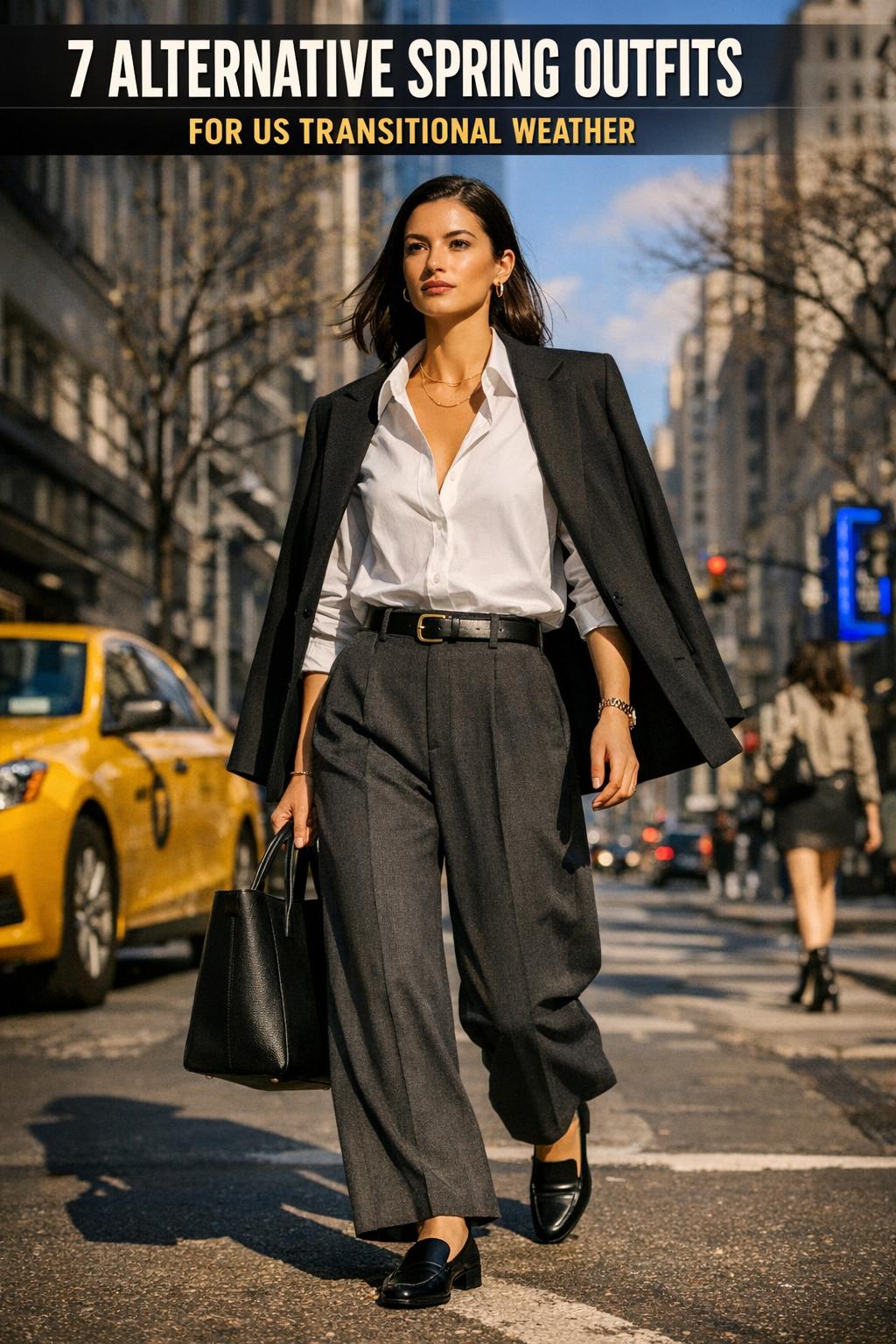
Light outerwear is where spring style becomes functional. A structured blazer adds polish to minimalist spring outfits and balances relaxed silhouettes like wide-leg pants. Vests are a standout option when you want a dress alternative: a vest set can look put-together immediately, and it works across occasions with small styling shifts.
For extra versatility, choose layers that coordinate with more than one bottom. One blazer can finish a trouser look, elevate a dress, or sharpen a knit set, making it a high-impact spring essential.
Textured knits, cardigans, and breathable fabrics
Spring layering works best when fabrics are breathable. Linen silhouettes, cotton blends, and lightweight textured knits help you stay comfortable as the day warms up. Textured pieces also add depth to simple outfits, which is especially useful if you prefer minimalist dressing but still want your look to feel styled.
A cardigan or knit layer is also one of the easiest tools for a transitional spring wardrobe: it’s simple to carry, easy to remove, and can soften a more tailored outfit when you want it to feel less formal.
Footwear alternatives that elevate spring looks
Shoes can be the difference between an outfit that feels routine and one that feels intentional. For spring, look for footwear that can handle different temperatures and settings. Mules and loafers lean polished, sandals can read relaxed or dressy depending on the outfit, and ankle boots keep outfits grounded on cooler days while still working with lighter fabrics.
- Mules for clean, minimalist outfits and dressy-casual plans
- Loafers for work-friendly looks and tailored styling
- Sandals for warm afternoons and easy weekend outfits
- Ankle boots for chilly mornings and more “alternative” styling
12 alternative spring outfit ideas (complete look formulas)
These alternative spring looks are designed as repeatable formulas. Swap colors, adjust footwear, or change one layer, and each idea becomes multiple outfits. If you want to build a spring capsule wardrobe, treat these as mix-and-match templates rather than one-time outfits.
Look 1: Vest set as a dress alternative
A vest set delivers the ease of a dress but with more styling range. Wear the set together for a clean, pulled-together base, then shift the vibe with shoes and outerwear—loafers for daytime polish, mules for dinner, or a lightweight blazer for work.
- Matching vest + coordinating bottom (set)
- Lightweight blazer or cardigan (optional layer)
- Loafers or mules
- Simple bag and minimal jewelry
Look 2: Poplin shirt + wide-leg trousers
Poplin feels crisp and spring-ready, and it pairs beautifully with wide-leg trousers for an outfit that’s simple but elevated. This is an easy “polished in minutes” formula that works for office days and weekend plans alike.
Tips: Keep the shirt slightly structured so it holds shape under a blazer, or wear it open as a light layer over a simple top for a more casual feel.
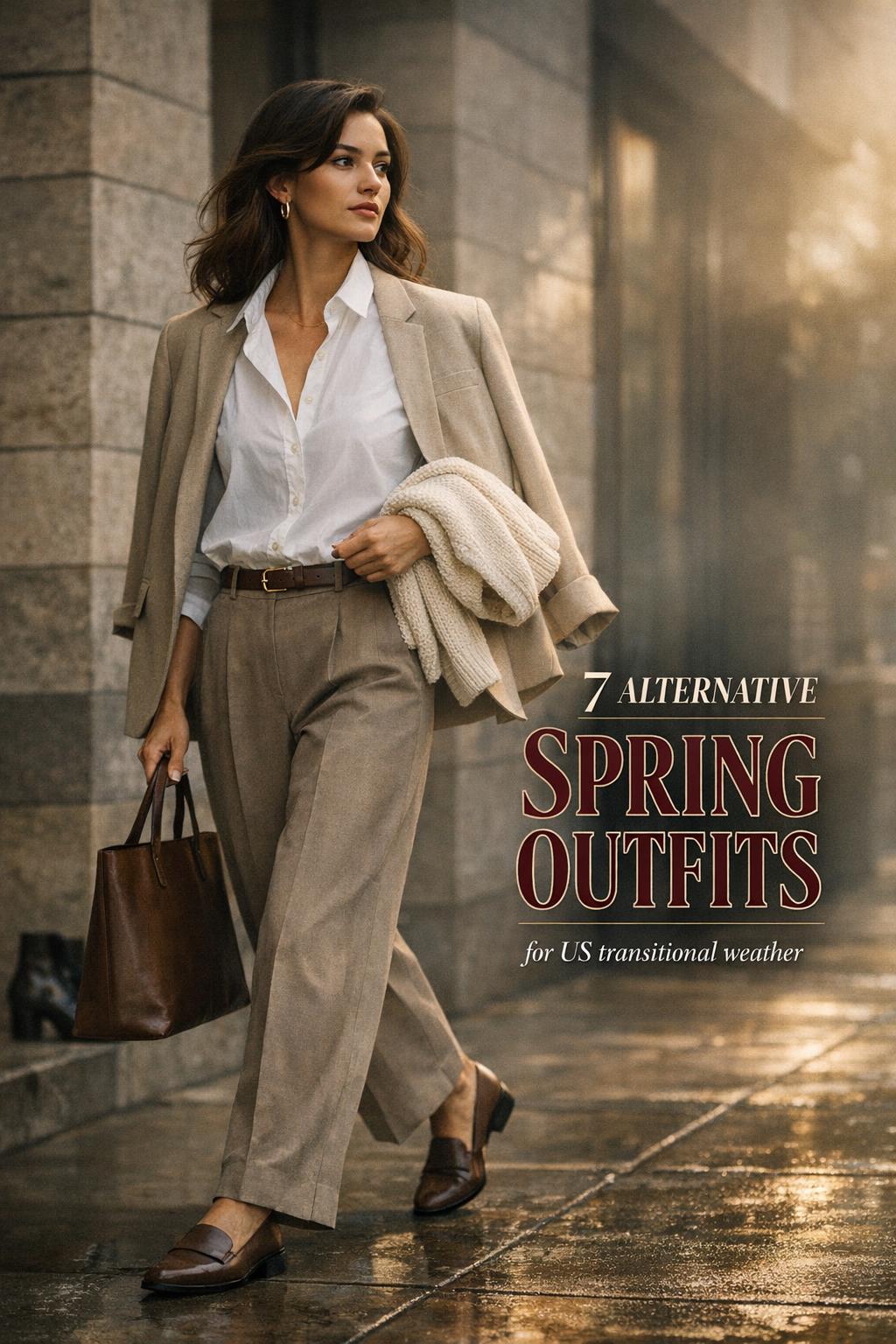
Look 3: Minimalist monochrome with tailored pants
Minimalist spring outfits look especially intentional when you keep the palette cohesive. Choose one neutral family and build head-to-toe with tailored pants and a simple top. Add texture through knitwear or a structured layer to avoid the outfit feeling flat.
- Tailored non-denim pants
- Simple knit top or clean tee
- Textured cardigan or structured blazer
- Loafers or sleek sandals
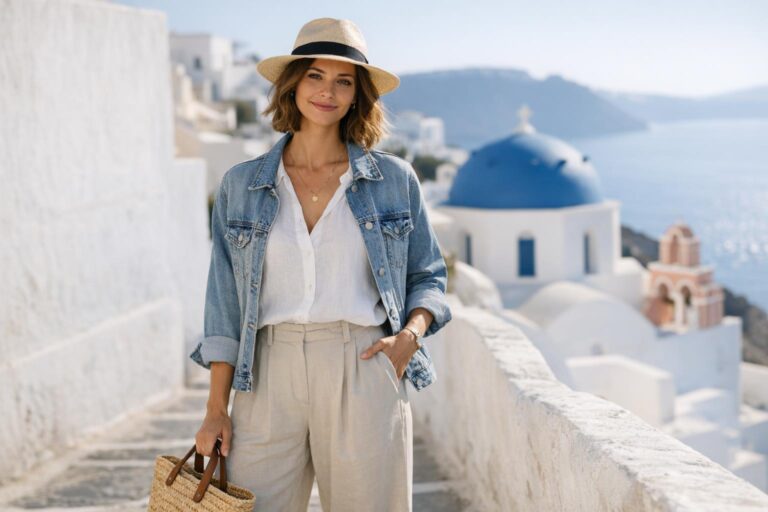
Look 4: Linen-inspired silhouette with light layering
Linen silhouettes and breathable fabrics are a spring go-to when afternoons warm up. Balance the airy feel with a structured element—like a vest or blazer—so the outfit still reads polished, not purely casual.
Tips: If your mornings are cool, start with the layer on, then remove it midday. Choose shoes that match the relaxed structure, like mules or sandals.
Look 5: Bold tailoring for an “alternative” spring vibe
If you want spring fashion that feels fresh and slightly unexpected, lean into bold tailoring—clean lines, strong structure, and deliberate proportions. Pair a tailored set of separates with minimal accessories so the shape does the work.
This look is especially effective when you’re bored of denim but still want something that feels sharp and modern.
Look 6: Textured knit set + lightweight outerwear
Knit sets are an easy alternative to jeans because they’re comfortable but still look styled. Add lightweight outerwear—like a blazer, a vest, or a cardigan—to create dimension and make the outfit feel finished for public-facing days.
- Matching knit top + knit bottom
- Lightweight blazer or structured vest
- Mules or ankle boots (depending on temperature)
- Simple bag
Look 7: Dress + blazer (transitional polish)
This formula is a spring classic, but it becomes more “alternative” when you focus on structure and layering rather than a purely soft, floaty dress. A blazer adds shape and makes the look office-ready, while you can switch shoes to move from day to night.
Tips: If you prefer a minimalist look, keep the palette simple and let the blazer do the styling work.
Look 8: Work-friendly trousers + breathable knit
For wear-to-work spring outfits, you want comfort without sacrificing polish. Pair non-denim trousers with a breathable knit and add a layer you can adjust throughout the day. This outfit is reliable, repeatable, and easy to personalize with shoe choice.
- Non-denim trousers (tailored or wide-leg)
- Lightweight knit top
- Cardigan or blazer
- Loafers
Look 9: Weekend smart-casual with an elevated layer
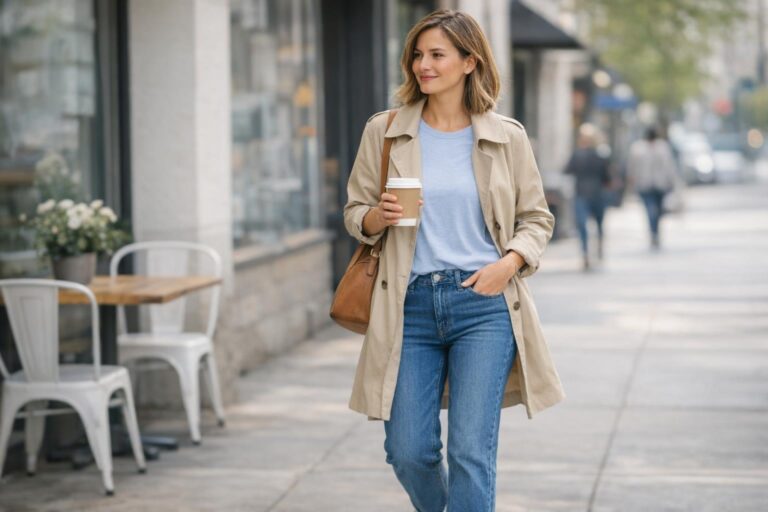
Weekend outfits can still feel intentional without becoming fussy. Start with comfortable pants (not denim), add a simple top, and finish with a structured layer like a blazer or vest. It’s the fastest way to look “put-together” for brunch, casual meetups, or last-minute plans.
Tips: Keep accessories minimal and let the silhouette carry the look. If you want more personality, use one bold accent color in shoes or a bag.
Look 10: Dressy-casual & date-night vest styling
A vest can shift from daytime to date-night with small changes. For a dressy-casual spring look, keep the base streamlined and choose footwear that feels deliberate—mules are an easy choice. This is a strong option if you want a dress alternative that still reads “special.”
- Structured vest top
- Coordinating trousers or skirt-like bottom
- Mules
- Light layer for cool evenings
Look 11: Travel-friendly layers for market days
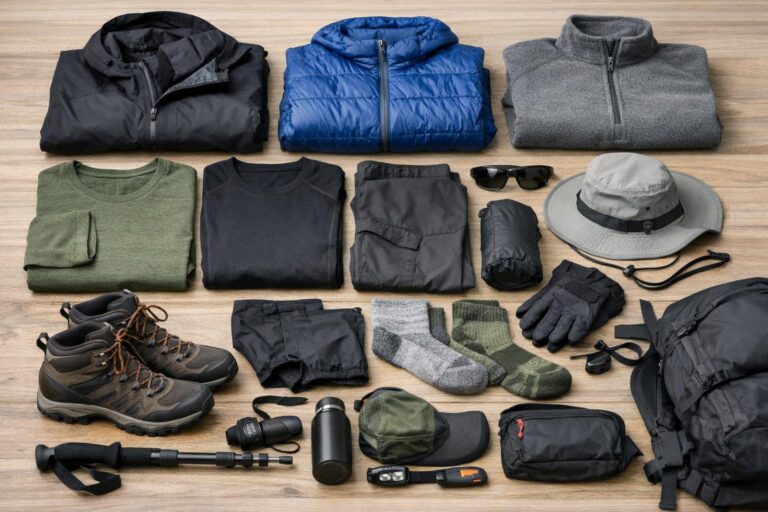
For weekend markets, travel days, or full-schedule Saturdays, prioritize pieces that move well and layer easily. A breathable base, comfortable non-denim bottoms, and a cardigan or lightweight outer layer keep you ready for shifting temperatures without overthinking.
Tips: Choose shoes you can walk in for hours; loafers or ankle boots can work well depending on weather and your route.
Look 12: Minimalist dress + textured cardigan
If you like dresses but want a more grounded, alternative spring look, go minimalist and add texture. A textured cardigan makes the outfit feel layered and intentional, and it also gives you practical warmth for transitional spring wear.
- Simple, minimalist dress
- Textured cardigan
- Sandals, mules, or ankle boots depending on the day
- Simple accessories
Outfit formulas by occasion (so you always know what to wear)
When spring gets busy, it helps to rely on a few occasion-based formulas. These are designed to work with the core pieces above, so you can repeat them with small variations all season.
Work-friendly alternative spring outfits
For work, the easiest path is structured layers and non-denim trousers. A blazer instantly adds polish, and breathable fabrics keep the outfit comfortable throughout the day. If your workplace leans more formal, keep the palette neutral and let tailoring do the work.
- Non-denim tailored trousers
- Breathable knit or poplin shirt
- Structured blazer or vest
- Loafers or mules
- Optional cardigan for cold offices
Weekend smart-casual
This is where you can relax the structure without losing the “styled” feeling. Think wide-leg trousers, an easy top, and one elevated layer. The outfit should feel comfortable enough for errands but polished enough for brunch or casual dinners.
Tip: If you’re not sure what to add, choose the layer that matches your plans—cardigan for comfort, blazer for polish, vest for a sharper, more alternative edge.
Dressy-casual & date-night
Dressy-casual spring outfits don’t require a full formal look. A vest set can function as a modern dress alternative, and a minimalist monochrome outfit can feel evening-appropriate with sleek shoes. Keep the silhouette clean and rely on structure and texture rather than heavy accessories.
- Vest set or tailored trousers + structured top
- Light blazer for cool evenings
- Mules or sleek sandals
- Optional textured knit if you want softer layering
Weekend markets and travel-friendly outfits
For long days on your feet, your alternative spring outfit should be built for movement and temperature swings. Choose breathable fabrics, layers you can remove, and shoes that can handle walking. This is also a great time to lean into minimalist outfit formulas—simple pieces that mix without much thought.
Tip: Keep a lightweight layer in your bag or car. A cardigan or structured layer can make a simple base outfit feel finished if your plans change.
Inclusive styling: plus-size, petite, and adaptive-friendly notes
Alternative spring style works best when it’s adaptable to real bodies and real needs. The most reliable strategy is to focus on proportion and comfort: choose silhouettes that feel good all day, then add structure where you want definition (through vests, blazers, or intentional layering). Inclusive styling isn’t a separate wardrobe—it’s the same core pieces, adjusted for fit and preference.
Plus-size friendly combinations
Plus-size spring outfits often shine with clear shape and intentional layers. Wide-leg trousers can be a strong base because they balance proportions, while structured layers like blazers and vests create definition. Breathable fabrics and textured knits add comfort without relying on stiff construction.
- Wide-leg trousers + structured vest for a clean, modern silhouette
- Minimalist dress + blazer for easy polish with adjustable warmth
- Breathable knit + tailored trousers for a repeatable work formula
- Textured cardigan over a streamlined base for dimension and comfort
Petite-friendly layering tips
Petite spring styling is often about keeping proportions intentional. If you’re layering, choose pieces that don’t overwhelm your frame—structured vests and blazers can create shape without excess volume. A monochrome palette is also an easy way to keep outfits streamlined.
Tip: If wide-leg trousers feel like “too much,” balance them with a more fitted or structured top and a clean shoe line such as a loafer or mule.
Adaptive-friendly considerations for comfort and ease
Comfort-focused styling can still be polished. Prioritize breathable fabrics, easy layers like cardigans, and shoes that support your day. Matching sets (like knit sets or vest sets) can simplify getting dressed because the outfit is coordinated from the start—then you can adjust warmth with a single outer layer.
Color and fabric guidance for spring dressing
Spring outfits tend to feature pastels, florals, and lighter neutrals, but you don’t need to follow a single seasonal formula. A practical approach is to build from neutrals, then add either soft seasonal tones or bold accents depending on your style. Fabric choice matters just as much: spring is the season of lightweight layers, breathable blends, and pieces that can handle temperature shifts.
Simple spring color approach: neutrals, pastels, and bold accents
If you want outfits that mix easily, choose a neutral base and add one seasonal direction. Pastels can feel classic for spring, while bold accents can make minimalist outfits feel new. The key is consistency: repeat a few colors across tops, bottoms, and layers so you can build more outfits with fewer pieces.
- Neutral base: helps everything mix (great for minimalist spring outfits)
- Pastel touches: a soft spring signal without overhauling your wardrobe
- Bold accents: a modern, fashion-forward update when you’re bored of basics
Fabric weights and layering for transitional spring wear
Spring layering is about balance. Lightweight outerwear, breathable knits, and fabrics like linen and cotton blends help you stay comfortable when the day warms up. Structured layers like blazers and vests add polish without the heaviness of winter coats, and they work well with both tailored pants and dress-based outfits.
Tip: If you tend to overheat, pick one structured layer and keep the base breathable. If you tend to get cold, use a cardigan as a flexible add-on you can keep nearby.
Care and wear tips to extend your spring wardrobe
Alternative spring outfits often rely on repeatable staples—trousers, knits, poplin shirts, and layered pieces—so taking care of them keeps your wardrobe looking fresh. Rotate your core layers, avoid over-wearing one hero piece in back-to-back days, and keep lighter items ready to go so you’re not forced into the same denim fallback.
How to build a cohesive spring capsule (12–15 pieces that create many outfits)
A spring capsule wardrobe isn’t about limiting style—it’s about making outfits easier. With 12–15 pieces that work together, you can create alternative spring looks quickly, handle unpredictable weather, and dress for different occasions without needing constant new purchases.
The capsule blueprint: what to include
Start with a base of non-denim bottoms, add breathable tops, and finish with structured layers. Then choose shoes that match your real life—workdays, weekends, and at least one dressier option.
- 2–3 non-denim pants (include at least one wide-leg option)
- 1 vest or vest set (a modern dress alternative and layering tool)
- 1 structured blazer
- 1–2 breathable knits or textured cardigans
- 2–3 tops (poplin shirt, simple knit, minimalist tee)
- 1–2 dresses (only if you wear them; otherwise add another set or trousers)
- 2–3 shoes (loafers, mules, sandals or ankle boots depending on climate)
Quick-start plan: a week-by-week rotation
To make your capsule feel effortless, rotate one category at a time. Week one, focus on trouser-based outfits and vary layers (blazer vs. cardigan). Week two, introduce the vest set and swap footwear to change the mood. Week three, add dresses-as-layered-looks if you wear them. This keeps outfits fresh without needing a completely new wardrobe.
Tip: Choose a “default” color palette for your base pieces, then add one or two accent colors. This makes mixing easier and reduces the urge to buy single-use items.
Shopping strategy and budget approach
Spring wardrobes can be built at many price points, from budget-friendly finds to premium investment pieces. The most important strategy is to prioritize versatility: invest in the pieces that get repeated wear (like trousers, a blazer, and comfortable shoes) and save on trend-led items you may not wear for multiple seasons.
If you’re shopping on a strict budget, focus on one outfit category at a time—like upgrading your non-denim pants options first—then add structured layers next. If you’re building a more premium capsule, center it on tailoring and breathable fabrics that hold up across the season.
Tips for making alternative spring outfits feel effortless
Tip: Anchor every outfit with one “hero” piece
Choose one item to lead the look—wide-leg trousers, a vest set, a structured blazer, or a textured cardigan—and keep everything else simple. This creates a styled result without requiring lots of accessories or complicated layering.
Tip: Use footwear to change the dress code fast
The same outfit can shift from casual to polished by changing shoes. Loafers and mules usually read more elevated, while sandals feel more relaxed. Ankle boots can give an outfit a stronger, more alternative edge on cooler days.
Tip: Keep one “extra layer” option available
Spring’s unpredictability is easier when you always have a flexible layer option—a cardigan, blazer, or vest that works with multiple outfits. The best choice is one that looks good even when you’re wearing a simple base underneath.
FAQ
How many pieces should a spring capsule include?
A practical spring capsule often works best with about 12–15 pieces that mix easily: a few non-denim pants, a couple of breathable tops, one or two structured layers like a blazer or vest, a knit layer, and shoes that match your lifestyle.
What are the easiest alternatives to jeans for spring outfits?
Wide-leg trousers and other non-denim pants are the easiest swap because they’re versatile, comfortable, and can look polished with minimal effort, especially when paired with poplin shirts, breathable knits, and structured layers.
How do I style a vest set for different occasions?
Wear the vest set together as a base and change the context with layers and shoes: add a blazer and loafers for work, go simpler with a cardigan for daytime errands, or choose mules for a dressy-casual or date-night feel.
Can minimalist spring outfits still look “alternative”?
Yes—minimalist outfits look alternative when you focus on sharp proportions, tailored non-denim pants, cohesive color choices, and a structured layer like a blazer or vest, rather than relying on denim as the default base.
What if I don’t wear dresses?
You can build plenty of alternative spring outfits without dresses by focusing on vest sets, knit sets, tailored trousers, breathable tops, and versatile layering pieces like blazers and cardigans to handle transitional weather.
How do I dress for unpredictable spring weather?
Use a base outfit that looks complete on its own and add a removable layer like a blazer, vest, or textured cardigan, choosing breathable fabrics so you can stay comfortable as temperatures change throughout the day.
What shoes work best with alternative spring looks?
Mules and loafers are reliable for polished outfits and work settings, sandals are great for warmer afternoons and casual days, and ankle boots are useful for cooler spring days or when you want a more grounded, alternative feel.
Can I wear floral prints outside of spring?
Yes—florals can work beyond spring when you style them with structured layers like a blazer or vest and balance them with simple, neutral pieces so the print feels intentional rather than strictly seasonal.
Finish the look
The little extras that make a summer outfit feel complete
From beach days to city weekends, these easy pieces bring comfort, texture, and a polished finishing touch.

FENBEN
Straw Hobo Crossbody Bag
A handwoven straw bag with both short and crossbody straps—an effortless finishing touch for vacation looks and warm-weather outfits.
Shop the bag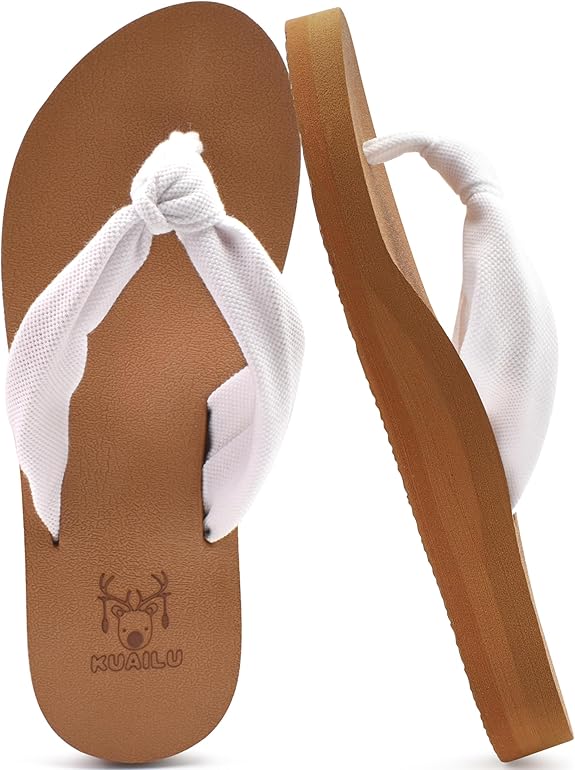
KuaiLu
Flip Flops with Arch Support
Cushioned, lightweight sandals with supportive arch design—a practical choice for beach trips, errands, and long summer walks.
Shop the sandals
baleaf
Athletic One-Piece Swimsuit
A functional one-piece with adjustable straps and moderate coverage, designed for swimming, training, surfing, and active beach days.
Shop the swimsuit
Astylish
Linen-Cotton Button-Down Shirt
A relaxed cotton-linen shirt with a collared V-neck and roll-up sleeves—easy to style over swimwear or with denim and shorts.
Shop the shirt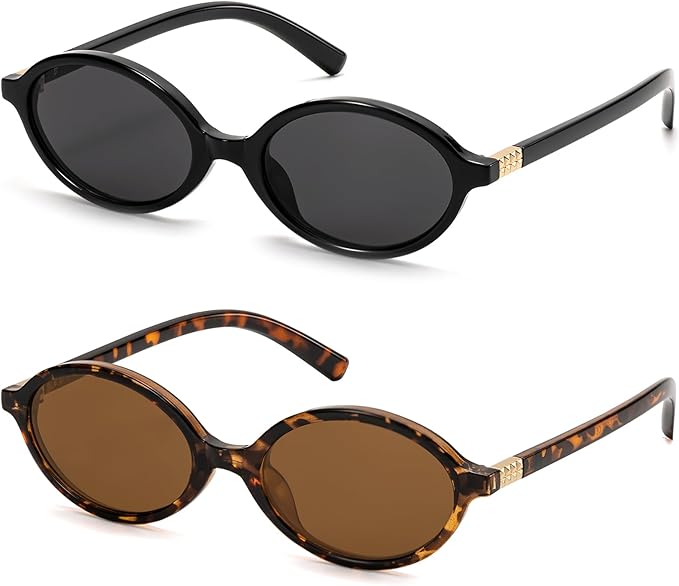
ViewJoy
Retro Oval Sunglasses
Small oval sunglasses with a 90s-inspired silhouette and UV400 lens protection—a quick way to add a vintage edge to everyday looks.
Shop the sunglasses
Affiliate disclosure: This section contains affiliate links. If you make a purchase through these links, I may earn a commission at no additional cost to you. Product selection, pricing, availability, and delivery terms may change—please review the current details on Amazon before purchasing.
As an Amazon Associate I earn from qualifying purchases.