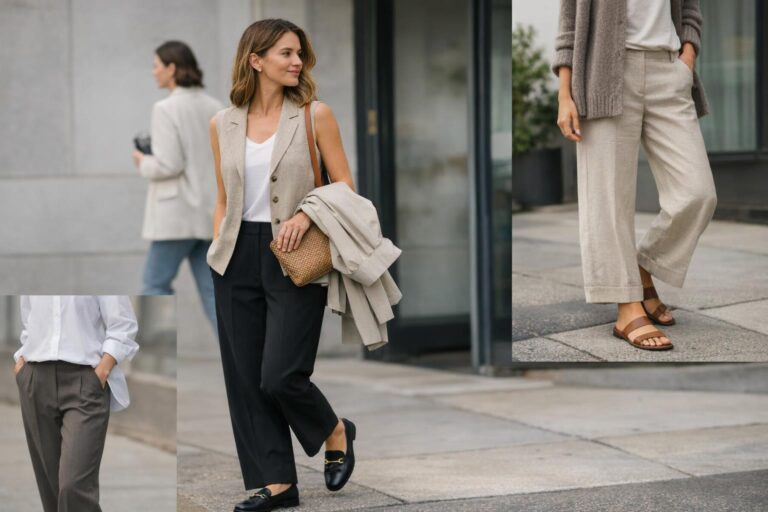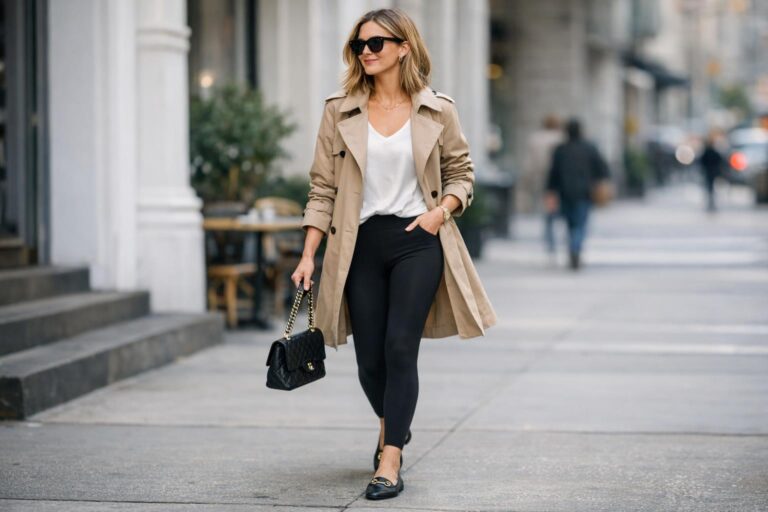
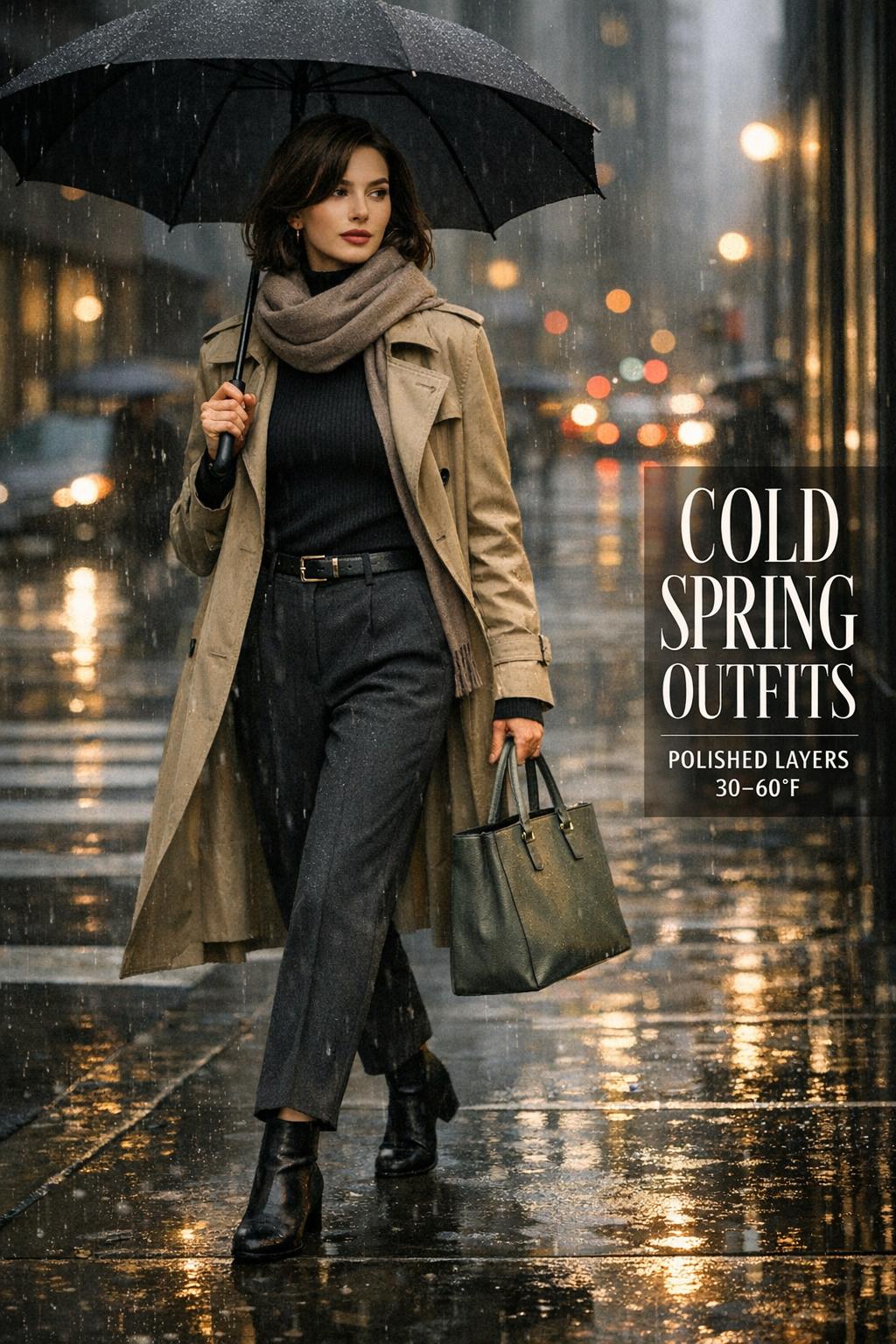
12 Cold Spring Outfits for 30–60°F: Polished Layers
Cold Spring Outfits: The Ultimate Guide to Warm, Stylish Transitional Looks
This post may contain affiliate links. As an Amazon Associate, we earn from qualifying purchases.
Cold spring outfits solve a very specific problem: it looks like spring on the calendar, but the weather still feels like winter in the morning and flips again by afternoon. The best cold-spring looks keep you warm and comfortable without losing those spring signals—lighter layers, fresh color accents, and breathable textures—so you’re not stuck wearing a full winter uniform when it’s technically spring.
This guide focuses on practical outfit formulas you can repeat, plus a weather-adaptive approach for chilly spring weather. You’ll find layering rules, wardrobe essentials, 12 proven combinations (from trench coats over knitwear to puffer pieces styled without heavy winter vibes), and finishing details like tights, scarves, and rain-ready accessories that make transitional outfits actually work in real life.
The Fashion-Note Edit
Five effortless pieces to refresh your everyday wardrobe
A polished, practical edit for workdays, weekends, and everything in between.

The Drop
Women’s Blake Long Blazer
A longline, tailored blazer with a notched collar and a single-button closure—an easy layer for denim, dresses, or office-ready looks.
Shop the blazer
Amazon Essentials
Women’s Lightweight Crewneck
A soft, lightweight sweater with a clean crew neckline—the kind of reliable layer that works from cool mornings to air-conditioned spaces.
Shop the sweater
Amazon Essentials
Women’s Loafer Flat
A classic flat loafer that gives casual outfits a more polished finish and pairs naturally with tailored pants, skirts, and straight-leg jeans.
Shop the loafers
Levi’s
Women’s 501 90s Jeans
A relaxed, vintage-inspired take on the iconic 501 silhouette—made for an easy, lived-in look without the thrift-store search.
Shop the jeans
Colorfulkoala
High-Waisted 7/8 Leggings with Pockets
Soft, four-way-stretch leggings with side pockets and a high-rise waistband—designed for movement, errands, and off-duty comfort.
Shop the leggings
Affiliate disclosure: This section contains affiliate links. If you make a purchase through these links, I may earn a commission at no additional cost to you. Product selection, pricing, availability, and delivery terms may change—please review the current details on Amazon before purchasing.
As an Amazon Associate I earn from qualifying purchases.
What Makes a Cold Spring Look Work
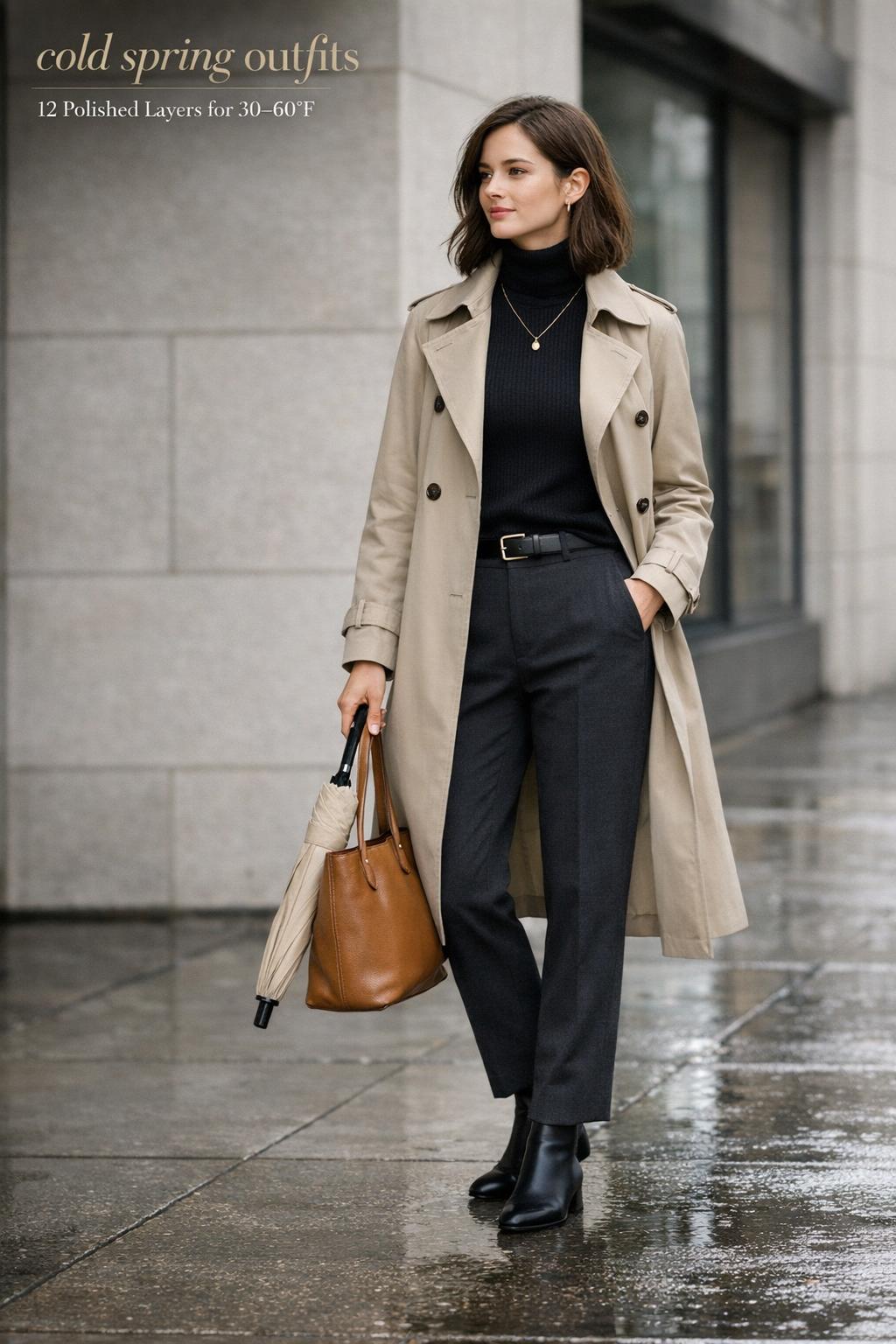
The most reliable winter-to-spring transition outfits follow three principles: smart layering, a balanced silhouette, and clear seasonal signals. Layering is your temperature control, silhouette keeps you from feeling bulky, and spring signals (like a trench coat, a midi dress, or a lighter color accent) prevent the outfit from reading as mid-winter.
Your wedding style is personal.
Your plan should feel that way, too.
Zarellea keeps your guest list, budget, vendors, and every next step beautifully organized — so you can focus on the moments that feel like you.
Cold spring is also when details matter most. A single swap—tights under a skirt, a scarf with a denim jacket, or a structured blazer over a fitted knit—can be the difference between feeling underdressed for the weather and feeling polished, warm, and put-together.
Three rules that keep you warm without looking winter-heavy
- Build from a warm base layer: long-sleeve tees, knits, or turtlenecks are the “quiet workhorses” of spring layering.
- Choose one main outerwear piece and one support layer: for example, a trench (outerwear) plus a cardigan (support) instead of stacking too many thick pieces.
- Add spring cues on purpose: lighter outerwear (like a trench or utility jacket), midi lengths, or a soft color accent can shift the vibe instantly.
Core Wardrobe Essentials for Cold Spring
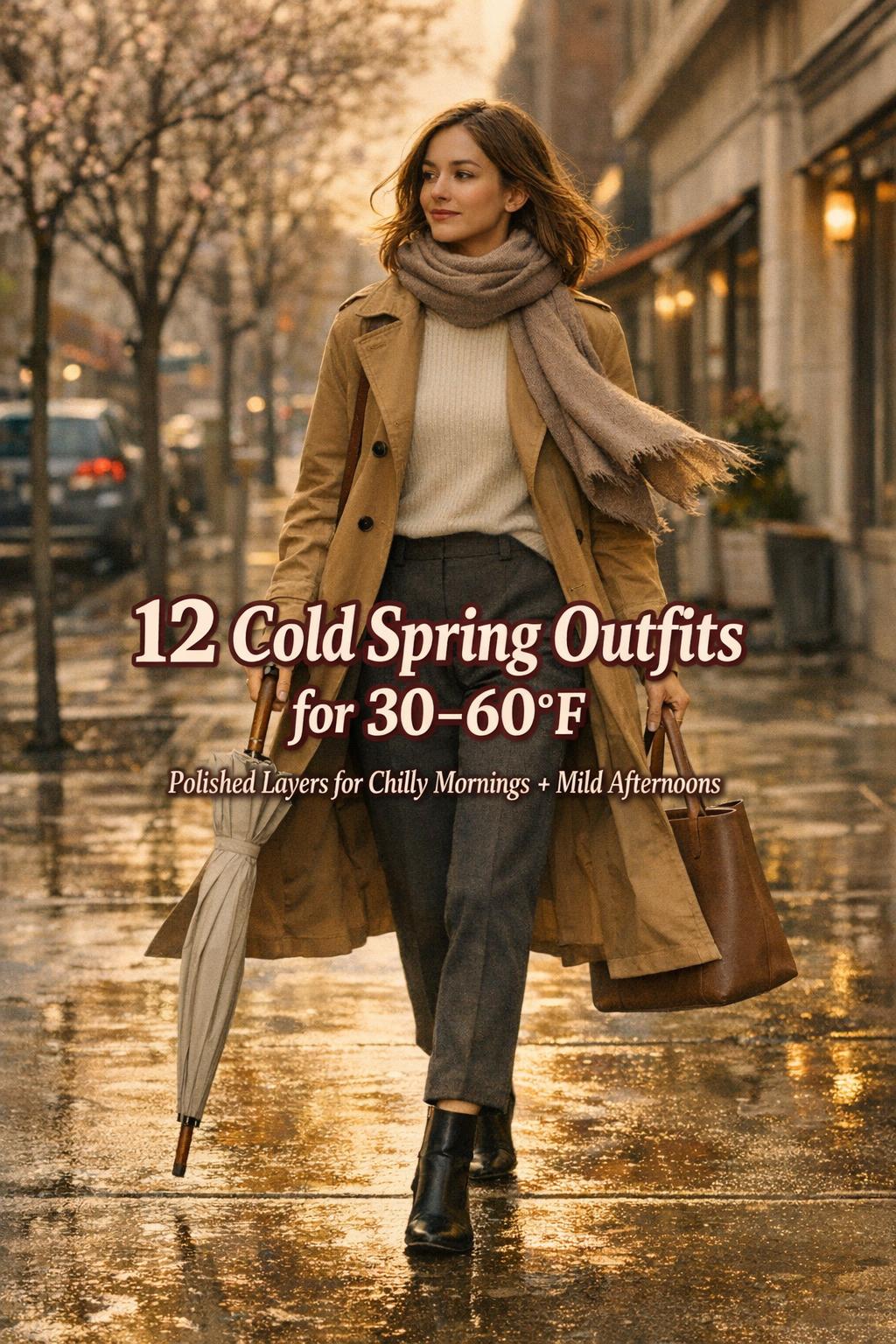
Think of this section as your cold-spring toolkit. These pieces repeat across the best spring layering ideas because they mix easily, work with multiple dress codes, and adapt to rain, wind, and temperature swings. You don’t need everything—start with what you already own and fill gaps with versatile basics.
Tops: knits, long-sleeve tees, and turtlenecks
Tops do the heavy lifting in chilly spring outfits. Warm knits create insulation, long-sleeve tees make layering comfortable, and turtlenecks act like a “warmth multiplier” under blazers, dresses, or even skirt sets. Keeping your base layers fitted helps your outfit stay sleek when you add outer layers.
Bottoms: tailored trousers, midi skirts, and denim
Bottoms set the tone between winter and spring. Tailored trousers instantly look polished and pair well with fitted knits and structured outerwear. Midi skirts give you spring movement while still allowing warmth boosts like tights. Denim is the casual anchor—especially when paired with a blazer, a graphic tee, or a scarf-and-jacket combo.
Outerwear: trench coats, blazers, utility jackets, and lightweight puffers
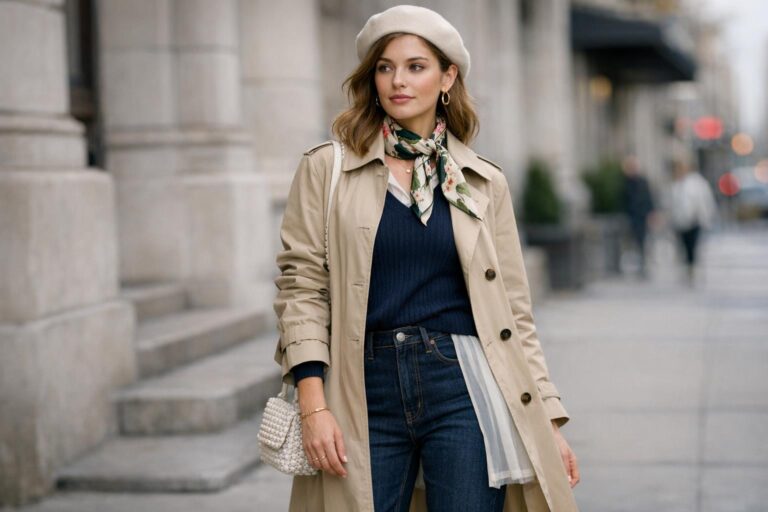
Outerwear is the defining feature of cold spring outfits. Trench coats are a classic transitional layer that looks inherently spring-ready, especially over knitwear and skirts. Blazers add structure and polish (and work especially well for office days). Utility jackets keep casual outfits streamlined. And lightweight puffer pieces deliver warmth without full winter vibes—ideal when mornings are cold but you don’t want a heavy coat look.
Cold-spring add-ons: tights, boots, scarves, and weather-ready bags
The add-ons are what make transitional outfits dependable. Tights add instant warmth to dresses and skirts. Boots (especially ankle boots and knee-high boots) make outfits feel grounded and weather-capable. Scarves help you adapt without changing the whole outfit. And a weather-ready bag or umbrella can turn “cute but impractical” into “cute and functional.”
12 Proven Outfit Formulas for Cold Spring Days
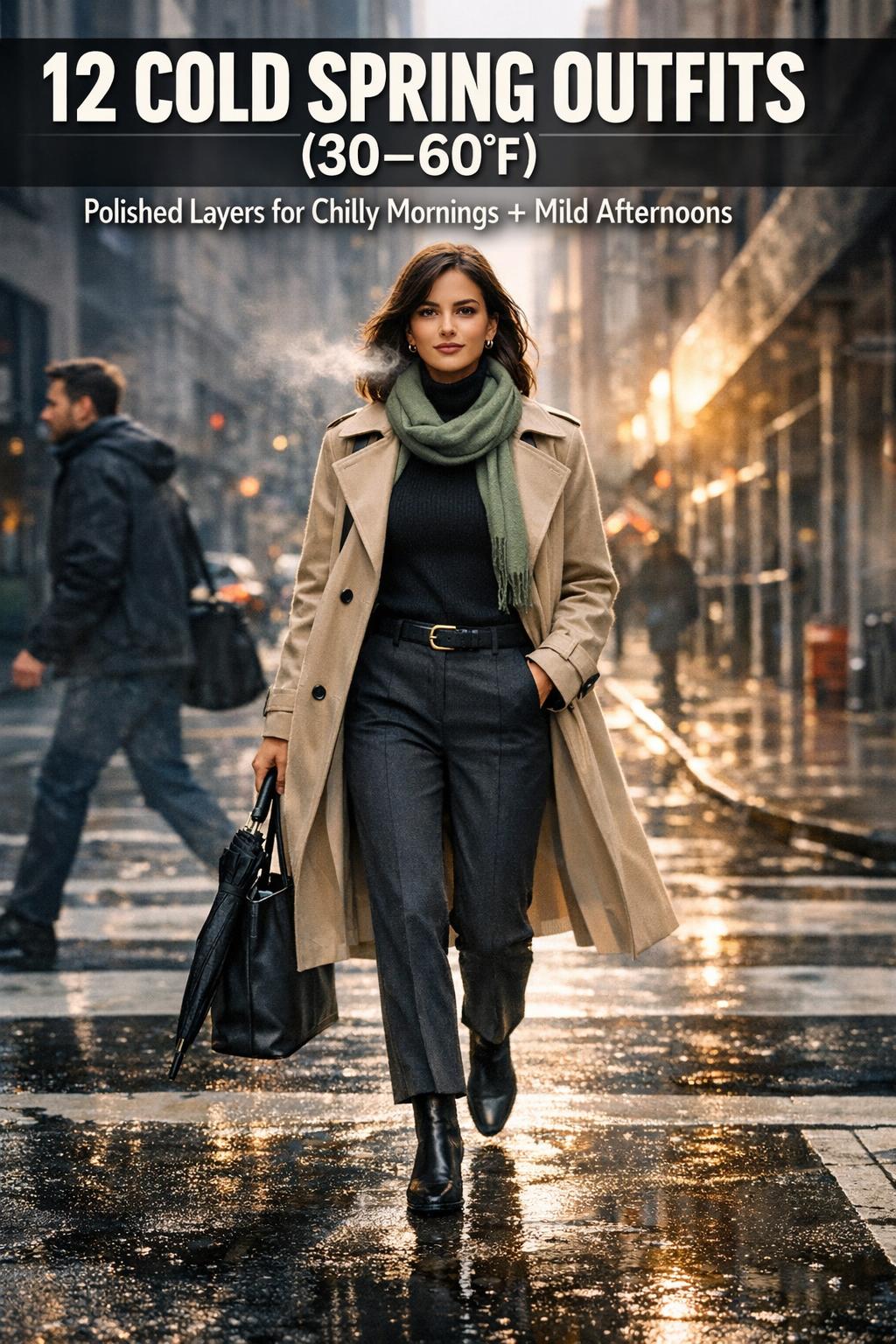
These cold spring outfit formulas are designed to be repeatable. Each one uses common wardrobe staples—knits, trench coats, blazers, denim, midi dresses, and tights—so you can build looks quickly and tweak them based on temperature, rain, and dress code.
Formula 1: Midi dress + cardigan + trench
This is one of the most reliable outfits for chilly spring weather because it layers warmth over a spring silhouette. Start with a midi dress, add a cardigan for insulation, and top with a trench for a clean outer layer that signals spring. Finish with boots if it’s cold or damp, and consider tights on especially chilly mornings.
Formula 2: Wide-leg trousers + fitted knit + structured outerwear
When you want a polished look that still feels comfortable, pair wide-leg trousers with a fitted knit to keep proportions balanced. Add structured outerwear—like a blazer or a trench—to sharpen the silhouette. This formula works well for office days and looks especially intentional when you keep the knit streamlined and let the trousers be the statement shape.
Formula 3: Knit top + high-waisted trousers + structured blazer
This combination is a cold-spring staple for work-ready layers. A knit top provides warmth, high-waisted trousers create a long line, and a structured blazer adds polish while holding the outfit together. It’s an easy formula to repeat throughout the season—swap knits and trouser colors to refresh it without rethinking the structure.
Formula 4: Oversized blazer + graphic tee + denim
For a casual winter-to-spring transition outfit, use an oversized blazer as your outer layer. A graphic tee keeps it relaxed and adds a spring-forward feel, while denim grounds the look. If it’s especially cold, choose a long-sleeve layer under the blazer instead of a short-sleeve tee, and add a scarf for adaptable warmth.
Formula 5: Denim jacket + scarf + long-sleeve tee + boots
This is the easy casual formula that excels in variable weather. A denim jacket gives structure without feeling too heavy, and the scarf is your adjustable warmth lever—add it for wind and remove it when the day warms up. Long-sleeve tees keep the base comfortable, while boots make the outfit more cold-spring appropriate than sneakers when it’s damp or chilly.
Formula 6: Turtleneck layering under a dress
Turtleneck layering is one of the smartest ways to wear dresses early in spring. Add a fitted turtleneck under a dress (including slip-dress styles) to turn a spring piece into a warm, wearable cold-spring look. The turtleneck adds coverage and insulation while keeping the outfit sleek, especially when paired with tights and ankle boots.
Formula 7: Sweater dress + tights + boots
Sweater dresses and tights are cold-spring reliable because they feel cozy but still look like a complete outfit with minimal effort. Add boots for weather-friendly footing and a structured outer layer (like a trench or blazer) when you need extra warmth. This is also a great option when you want to look put-together but don’t want to build multiple layers.
Formula 8: Puffer jacket + midi dress
To style puffer pieces in spring, keep everything else light and clean. A puffer jacket over a midi dress balances warmth with a spring silhouette. If you want the outfit to feel less wintry, lean into the midi length and choose accessories that feel transitional, like a simple scarf or boots that don’t look overly heavy.
Formula 9: Puffer jacket + midi skirt + tights
This formula is practical when it’s genuinely cold but you still want spring pieces in the mix. Pair a midi skirt with tights for warmth, then add a puffer jacket as the main insulation layer. Keep the top fitted or streamlined so the skirt and outerwear don’t compete, and finish with boots for a weather-ready foundation.
Formula 10: Cozy knit + midi skirt
A cozy knit with a midi skirt is a classic transitional combination: warm up top, lighter movement on the bottom. If the day is cold, add tights underneath the skirt and boots. If it warms up, you can remove the tights or swap outerwear to something lighter like a trench or utility jacket without changing the core outfit.
Formula 11: Utility jacket + T-shirt dress + boots
This is a strong option for days that feel chilly but not fully cold. The utility jacket adds structure and a practical edge, while the T-shirt dress keeps the outfit simple and spring-leaning. Boots make it cold-spring appropriate, especially for windy days or when the ground is wet.
Formula 12: Trench coat over knitwear and a skirt
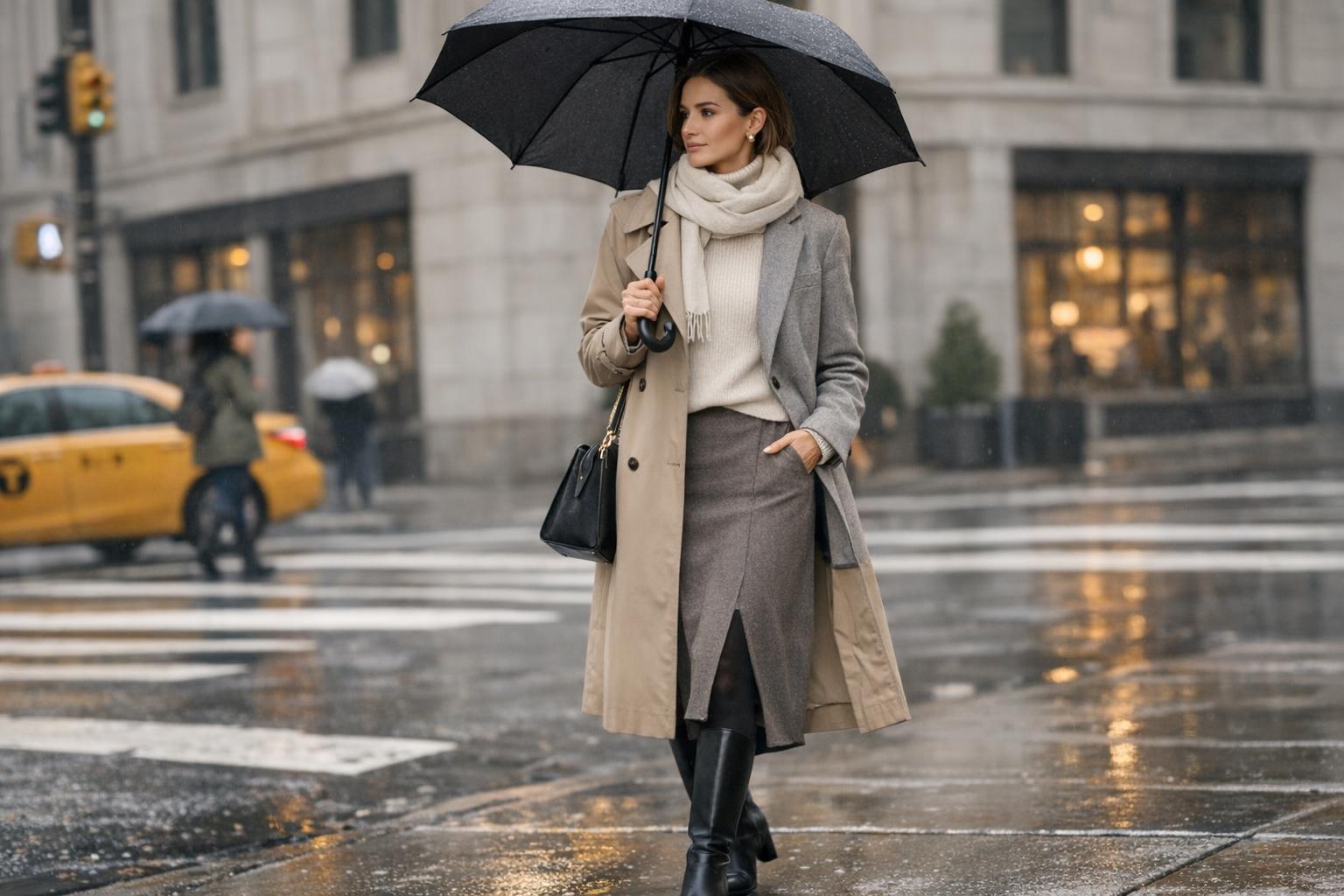
A trench coat over knitwear and a skirt is a signature spring layering move. The trench provides an instantly seasonal top layer, while knitwear ensures warmth underneath. Add tights when needed, and use boots to keep the outfit functional for cold mornings and unpredictable weather.
Weather-Specific How-To: Dressing for 30–60°F
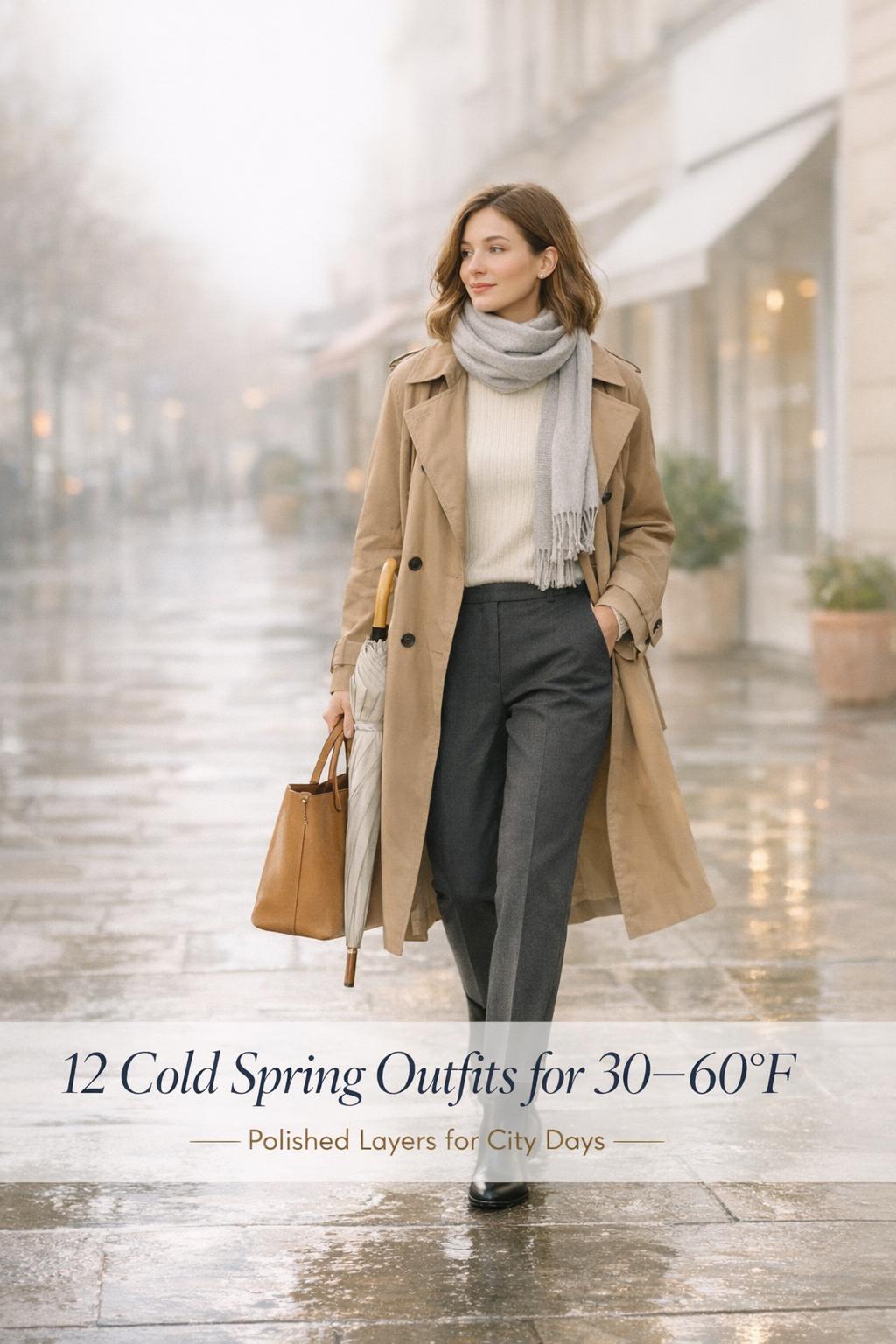
Cold spring weather often spans a wide range—sometimes from near-freezing mornings to mild afternoons. The goal is to build a temperature-based layering system where you can remove one piece and still look finished. Start with a comfortable base layer, add a mid-layer for insulation, and use an outer layer to block wind or handle light rain.
Temperature-based layering guide
- 30s–low 40s: prioritize insulation with warm knits or a turtleneck, add tights for skirts and dresses, and consider a lightweight puffer as the outer layer.
- Mid 40s–low 50s: use a knit or long-sleeve tee with a cardigan or blazer; top with a trench or utility jacket depending on rain and wind.
- Mid 50s–60°F: keep the base light (long-sleeve tee or fitted knit) and rely on a trench, blazer, or denim jacket plus a scarf you can remove midday.
Fabric and texture suggestions for transitional warmth
Fabric choice is one of the most overlooked parts of spring layering. Warm knits and refined materials can keep you comfortable without forcing you into bulky pieces. Look for warm, spring-ready fabrics in your staples—knits and blends for tops, and structured materials like ponte for bottoms—so your outfit holds its shape while still insulating.
Tips: If you tend to overheat, keep your warmest layer removable (a cardigan, blazer, or scarf) and choose a base layer that feels breathable. If you get cold easily, add warmth where it’s least visible—tights under a skirt, a turtleneck under a dress, or an extra knit layer under structured outerwear.
Rain, wind, and “feels colder than it looks” days
Cold spring days often come with chilly rain and wind, which makes outfits feel colder than the temperature suggests. This is when a trench coat or utility jacket becomes especially useful, and when accessories stop being optional. A scarf can protect your neck on windy commutes, boots handle wet sidewalks, and an umbrella plus a weather-ready bag keeps your outfit functional without sacrificing style.
Color and Style Strategies for Cold Spring
Color is one of the easiest ways to make winter-to-spring transition outfits feel intentional. The most wearable approach is to keep a neutral base (so pieces mix easily) and add spring accents gradually. This keeps your wardrobe cohesive while letting you refresh the look week by week as the season warms.
Neutral base, spring accents
Neutrals create a calm foundation for cold spring outfits because they pair well across outerwear, knits, denim, and tailored trousers. Then you can add spring cues through one element at a time—an accent color in a scarf, a lighter trench, or a romantic detail in a dress—without making the outfit feel mismatched.
Weekly palette approach: cool neutrals to soft pastels
A practical way to dress through chilly spring weather is to let your palette evolve. Start with cool neutrals and grounded tones when the air is still cold, then shift toward lighter, softer accents as days become more consistently mild. This gradual change keeps outfits seasonally appropriate even if the weather isn’t cooperating.
Romantic details that still feel weather-appropriate
If you want more spring energy without losing warmth, add romantic details that don’t compromise practicality—think dresses or tops with puff sleeves, sweetheart necklines, or bow accents. These details signal spring even when you’re wearing tights and boots, and they pair especially well with classic layers like a trench coat or a structured blazer.
Tips: If your outfit feels too wintery, swap one element for a spring-leaning piece rather than changing everything. A trench over knitwear, a midi skirt instead of heavy pants, or a dress layered with a turtleneck can shift the season instantly while keeping your warmth level stable.
Accessorizing for Warmth and Polish
Accessories are the easiest way to fine-tune spring layering. They’re also the most practical part of cold spring outfits because they handle changing conditions: a scarf for wind, tights for unexpected cold, boots for rain, and a bag that stands up to weather and commuting.
Shoes, socks, scarves, and hats
- Boots (ankle or knee-high): a dependable choice for chilly mornings and damp days, and a natural match with tights and midi lengths.
- Tights: a quick warmth upgrade for dresses, skirt sets, and midi skirts when spring isn’t warm yet.
- Scarves: the most flexible layer—add for wind and remove when you’re indoors or the temperature rises.
- Hats and gloves (when needed): helpful on truly cold days, especially for early commutes, without changing the outfit formula.
Umbrellas and weather-ready bags
On rainy spring days, a trench coat can do a lot, but accessories complete the practical side. An umbrella and a weather-ready bag help you protect the outfit you planned—especially if you’re wearing knitwear, a blazer, or a layered dress. This is also where you can keep your look polished: streamlined accessories make layered outfits appear intentional rather than thrown together.
Cold Spring Capsule Wardrobe: A Mix-and-Match Toolkit
If you want to simplify getting dressed, build a small cold-spring capsule wardrobe that covers casual days, office days, and weekend plans. The goal is to choose pieces that repeat across outfit formulas: knits that layer, outerwear that works in wind or light rain, bottoms that pair with multiple tops, and shoes that handle cold mornings.
A practical capsule list to start with
- 2–3 warm tops: fitted knits, long-sleeve tees, and at least one turtleneck for layering
- 2 bottoms: tailored trousers and denim
- 1–2 skirts/dresses: a midi skirt and/or a midi dress (plus a sweater dress if you love one-piece outfits)
- 2 layering pieces: a cardigan and a blazer
- 2 outerwear options: a trench coat and either a utility jacket or lightweight puffer
- Cold-spring essentials: tights, a scarf, and boots
Tips: When building a capsule, prioritize pieces that can appear in at least three outfit formulas. For example, a trench coat can top a midi dress, wide-leg trousers, a skirt-and-knit combo, and even a layered dress with tights—making it one of the highest-impact items for transitional outfits.
Shop the Look: What to Look For by Category
Cold spring shopping works best when you focus on categories rather than one-off trends. Look for items that support layering, hold their shape, and can be dressed up or down. This approach makes your wardrobe more flexible and helps you create outfit formulas quickly.
Outerwear that earns its keep
Prioritize a trench coat for spring signaling and a second option for true cold: a lightweight puffer or a utility jacket depending on your style. A blazer is also a key layer if you dress for work or want a structured piece that can go from office to evening.
Dresses and skirts that layer well
Midi dresses and midi skirts are especially effective in chilly spring outfits because they work with tights and boots, and they sit well under trench coats. Sweater dresses are a reliable choice when you want warmth built in. If you like a layered look, choose dresses that work with a turtleneck underneath or a cardigan on top.
Knits and foundational tops
Knits and long-sleeve tees form the base of most spring layering ideas. A turtleneck is particularly versatile for cold spring outfit formulas because it can go under blazers, dresses, and even skirt sets with tights. Aim for fitted or streamlined shapes so you can layer without bulk.
Seasonal Timing and Refresh Strategies
Cold spring typically requires a phased approach. Early on, you’ll lean more on warm knits, tights, and puffers; later, trenches, blazers, and denim jackets can take over as the temperature becomes more consistently mild. The key is to refresh strategically rather than rebuilding your entire wardrobe at once.
Use small swaps to keep outfits aligned with both the calendar and the forecast. When mornings are still cold, keep tights and boots in rotation and rely on a cardigan or turtleneck for warmth. As afternoons warm up, shift toward lighter outerwear like a trench or utility jacket, and let scarves do more of the temperature control so you can remove them easily.
Tips: If you’re unsure what the day will do, dress so that removing one layer still leaves you with a complete outfit. A knit plus trousers can stand alone when you take off a trench; a midi dress still looks finished when you remove a cardigan indoors.
Final Capsule Wardrobe Checklist
Use this checklist as a quick way to confirm you’re covered for cold spring days. If you can check most of these boxes, you’ll be able to build multiple cold spring outfits without overthinking every forecast.
- At least one warm base layer (fitted knit or long-sleeve tee)
- A turtleneck for layering under dresses or blazers
- A cardigan for flexible insulation
- A blazer for structured, polished layers
- A trench coat for spring-forward outerwear
- A utility jacket and/or lightweight puffer for colder or more casual days
- Tailored trousers and denim for mix-and-match bottoms
- A midi dress and/or midi skirt for spring silhouettes
- Tights for dresses, skirts, and truly chilly mornings
- Boots that can handle wind, cold, and wet sidewalks
- A scarf for quick temperature adjustments
- Umbrella and weather-ready bag for rainy days
FAQ
How do I layer for cold spring days without looking bulky?
Start with a fitted base layer like a knit or turtleneck, add one insulating mid-layer (cardigan or blazer), and finish with one main outer layer (trench, utility jacket, or lightweight puffer). Keeping the first layer streamlined and choosing structured outerwear helps the outfit stay polished rather than puffy.
What are the easiest cold spring outfit formulas to repeat?
Reliable repeaters include midi dress + cardigan + trench, knit top + trousers + blazer, denim jacket + scarf + long-sleeve tee + boots, and sweater dress + tights + boots. These formulas work because each layer has a job and can be adjusted as the temperature changes.
How can I wear dresses in chilly spring weather?
Use layering to make dresses cold-weather capable: add a turtleneck under a dress, wear tights for warmth, and finish with boots. On top, use a trench, blazer, or lightweight puffer depending on how cold or windy it is.
What outerwear works best for winter-to-spring transition outfits?
A trench coat is a go-to because it reads as spring while still providing coverage, especially over knitwear and skirts. Blazers add structure for polished days, utility jackets are great for casual outfits, and lightweight puffers offer extra warmth without full winter vibes when mornings are especially cold.
How do I make an outfit feel more like spring when it’s still cold?
Keep a neutral base for warmth and add spring cues through one or two elements, such as a trench coat, a midi length, or romantic details like puff sleeves or a sweetheart neckline. This keeps you comfortable while shifting the overall impression toward spring.
What should I wear on a rainy, cold spring day?
Choose a weather-friendly outer layer like a trench or utility jacket, wear boots for wet ground, and add a scarf for wind protection. Bring an umbrella and use a weather-ready bag so your layered outfit stays practical during commutes and errands.
How can I use tights in cold spring outfits without feeling too wintery?
Pair tights with spring-forward silhouettes like midi dresses and midi skirts, then top with transitional outerwear like a trench or blazer. Adding a spring accent (even a small one) or choosing romantic details in your top or dress helps the outfit feel seasonal while tights handle the temperature.
How do I transition a cold spring outfit from office to evening?
Start with a polished base like a knit and tailored trousers or a midi dress, then use a blazer or trench as the finishing layer. For evening, remove the outer layer, keep the silhouette clean, and rely on your structured pieces and boots to maintain a refined look without rebuilding the outfit.
Finish the look
The little extras that make a summer outfit feel complete
From beach days to city weekends, these easy pieces bring comfort, texture, and a polished finishing touch.

FENBEN
Straw Hobo Crossbody Bag
A handwoven straw bag with both short and crossbody straps—an effortless finishing touch for vacation looks and warm-weather outfits.
Shop the bag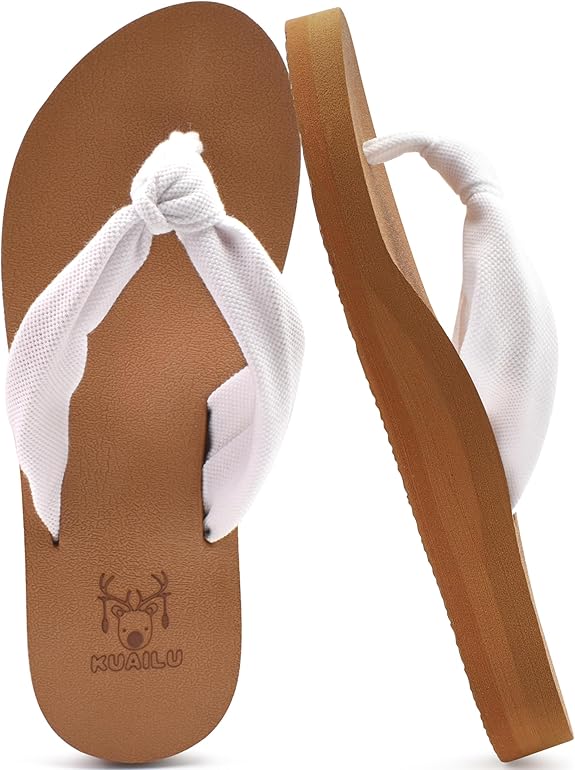
KuaiLu
Flip Flops with Arch Support
Cushioned, lightweight sandals with supportive arch design—a practical choice for beach trips, errands, and long summer walks.
Shop the sandals
baleaf
Athletic One-Piece Swimsuit
A functional one-piece with adjustable straps and moderate coverage, designed for swimming, training, surfing, and active beach days.
Shop the swimsuit
Astylish
Linen-Cotton Button-Down Shirt
A relaxed cotton-linen shirt with a collared V-neck and roll-up sleeves—easy to style over swimwear or with denim and shorts.
Shop the shirt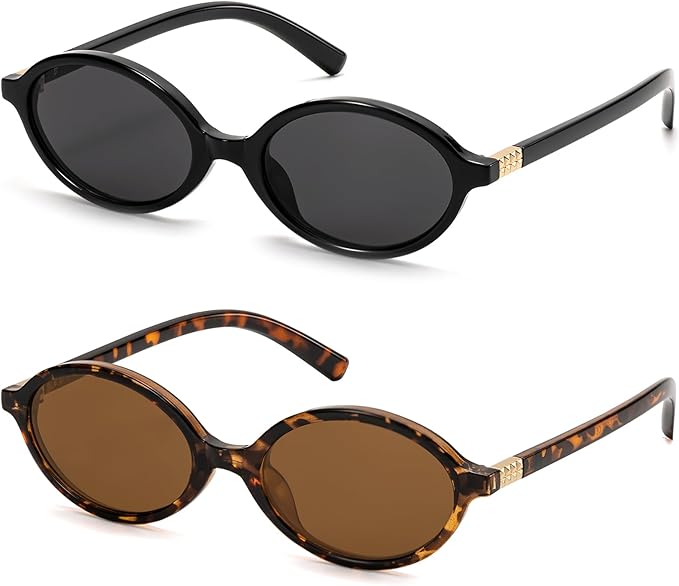
ViewJoy
Retro Oval Sunglasses
Small oval sunglasses with a 90s-inspired silhouette and UV400 lens protection—a quick way to add a vintage edge to everyday looks.
Shop the sunglasses
Affiliate disclosure: This section contains affiliate links. If you make a purchase through these links, I may earn a commission at no additional cost to you. Product selection, pricing, availability, and delivery terms may change—please review the current details on Amazon before purchasing.
As an Amazon Associate I earn from qualifying purchases.