12 Spring Work Outfits: Polished Layers for Unpredictable Weather
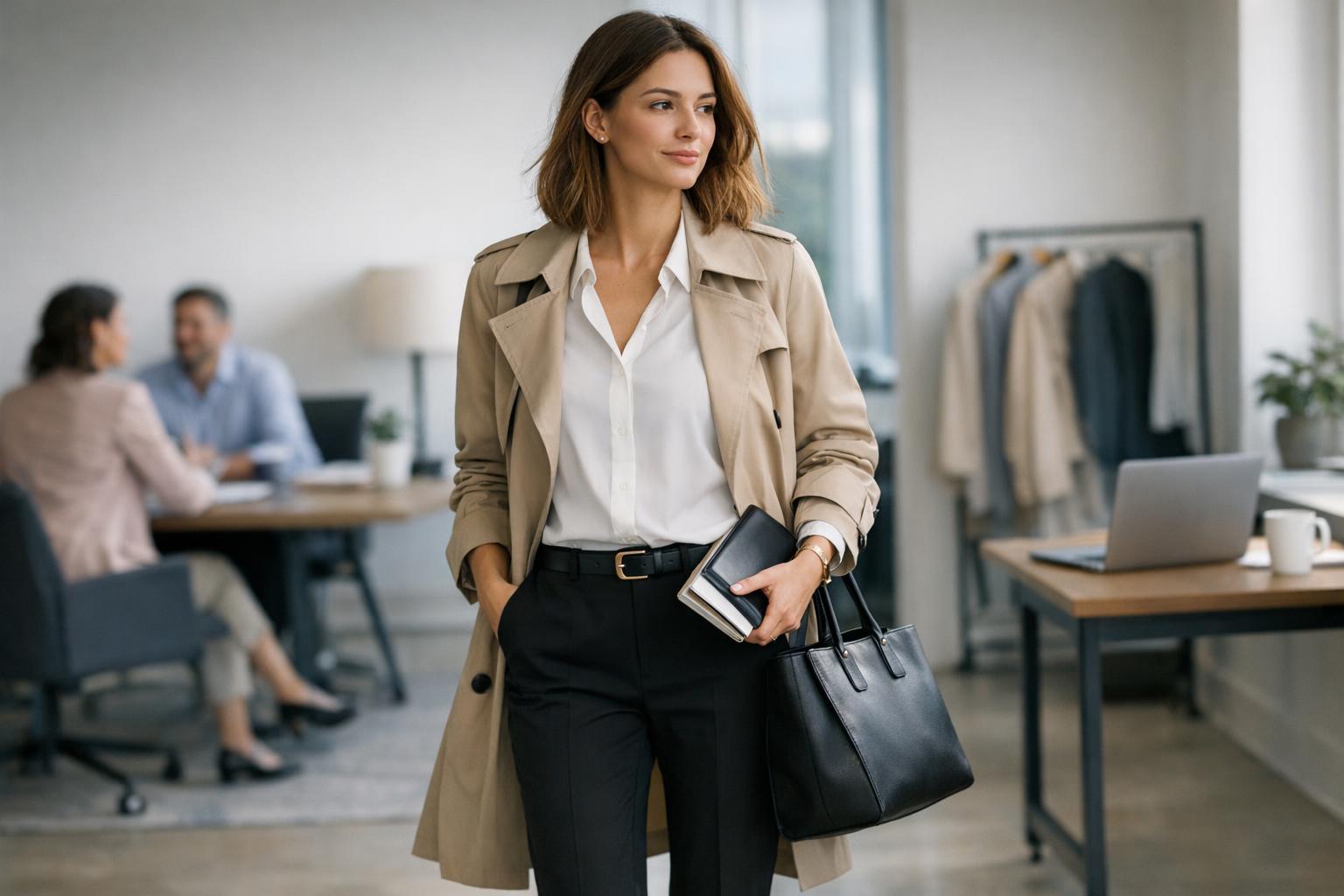
Spring Work Outfits: A Practical Guide to Looking Polished All Season
This post may contain affiliate links. As an Amazon Associate, we earn from qualifying purchases.
Spring work outfits come with a familiar challenge: you want to look professional and put-together, but the weather can shift from chilly mornings to warm afternoons, and offices can vary from highly formal to business casual. This guide focuses on building reliable outfit formulas you can repeat, smart layering strategies, and easy ways to make spring-appropriate choices without sacrificing workplace standards.
Instead of chasing one-off looks, you’ll find multiple individual ideas you can mix and match—so you can get dressed faster, feel confident in meetings, and stay comfortable through unpredictable days.
The Fashion-Note Edit
Five effortless pieces to refresh your everyday wardrobe
A polished, practical edit for workdays, weekends, and everything in between.

The Drop
Women’s Blake Long Blazer
A longline, tailored blazer with a notched collar and a single-button closure—an easy layer for denim, dresses, or office-ready looks.
Shop the blazer
Amazon Essentials
Women’s Lightweight Crewneck
A soft, lightweight sweater with a clean crew neckline—the kind of reliable layer that works from cool mornings to air-conditioned spaces.
Shop the sweater
Amazon Essentials
Women’s Loafer Flat
A classic flat loafer that gives casual outfits a more polished finish and pairs naturally with tailored pants, skirts, and straight-leg jeans.
Shop the loafers
Levi’s
Women’s 501 90s Jeans
A relaxed, vintage-inspired take on the iconic 501 silhouette—made for an easy, lived-in look without the thrift-store search.
Shop the jeans
Colorfulkoala
High-Waisted 7/8 Leggings with Pockets
Soft, four-way-stretch leggings with side pockets and a high-rise waistband—designed for movement, errands, and off-duty comfort.
Shop the leggings
Affiliate disclosure: This section contains affiliate links. If you make a purchase through these links, I may earn a commission at no additional cost to you. Product selection, pricing, availability, and delivery terms may change—please review the current details on Amazon before purchasing.
As an Amazon Associate I earn from qualifying purchases.
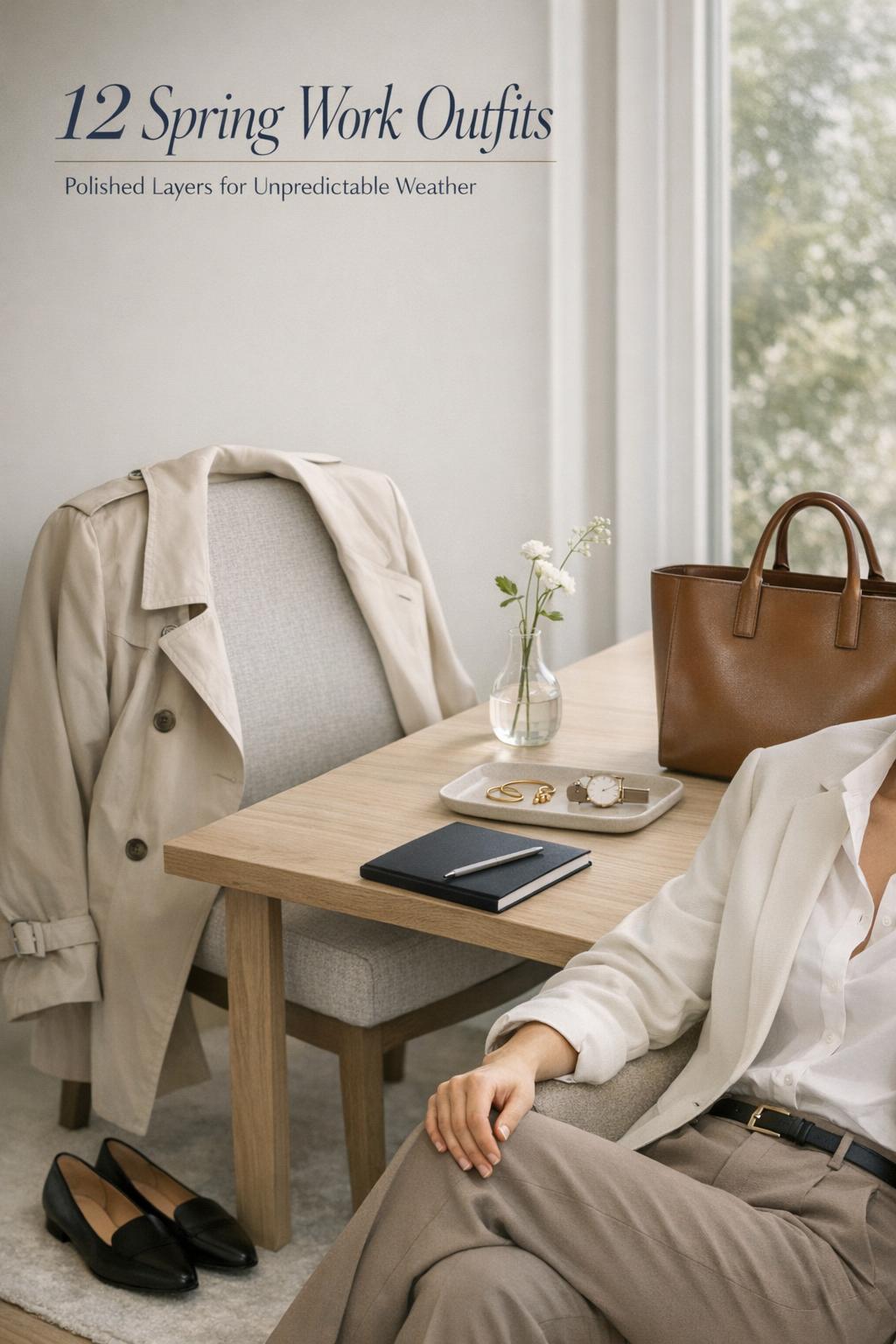
Start With the Dress Code: Build Outfits That Fit Your Workplace
Before you plan outfits, clarify what “work-appropriate” means where you are. The same spring look can read polished in one office and too casual in another. Use your workplace norms as the foundation, then adapt the fabrics, layers, and colors for spring.
Your wedding style is personal.
Your plan should feel that way, too.
Zarellea keeps your guest list, budget, vendors, and every next step beautifully organized — so you can focus on the moments that feel like you.
Business Professional
If your workplace leans formal, spring is about refining your core tailoring rather than reinventing it. Keep silhouettes structured and use lighter layers to avoid looking heavy or feeling overheated.
Business Casual
Business casual offers the most flexibility for spring: you can lean into lighter layers, softer color, and more outfit variety while still looking sharp. The key is balancing relaxed pieces with something structured—like a blazer, tailored trousers, or polished shoes.
Casual Office (But Still Professional)
Even in casual offices, spring work dressing benefits from intentionality. Choose clean lines, coordinated colors, and pieces that hold their shape. A casual environment doesn’t require “dressy,” but it still rewards outfits that look purposeful.
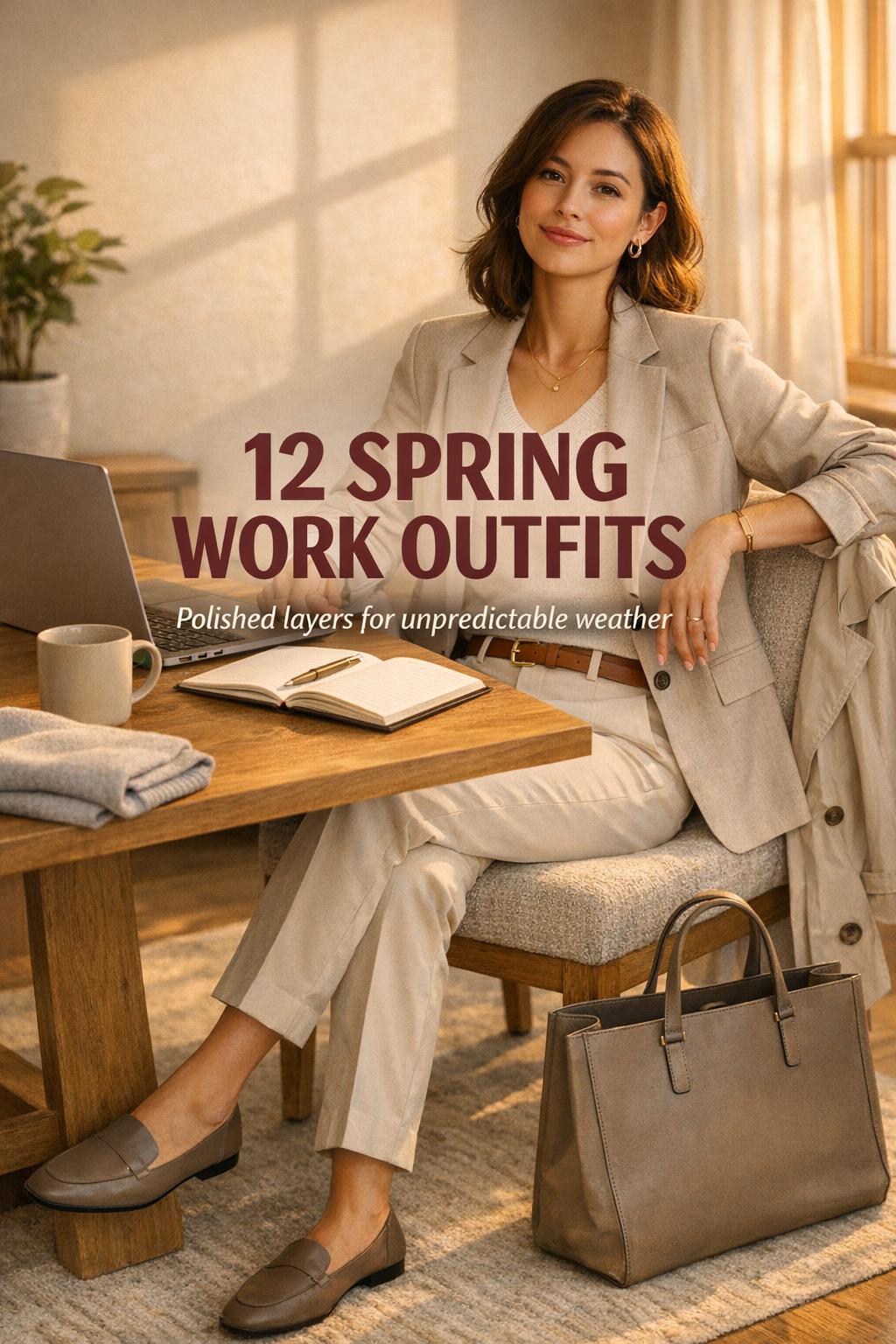
Spring Layering That Works Indoors and Outdoors
Spring is a layering season. The goal is to create outfits that transition between outdoor temps and indoor air conditioning without constant discomfort. Choose layers that add polish, not bulk, and that can be removed without leaving you feeling underdressed.
The Best Layering Pieces for Spring Offices
- A structured blazer that elevates basics instantly
- A lightweight cardigan for softer, desk-friendly warmth
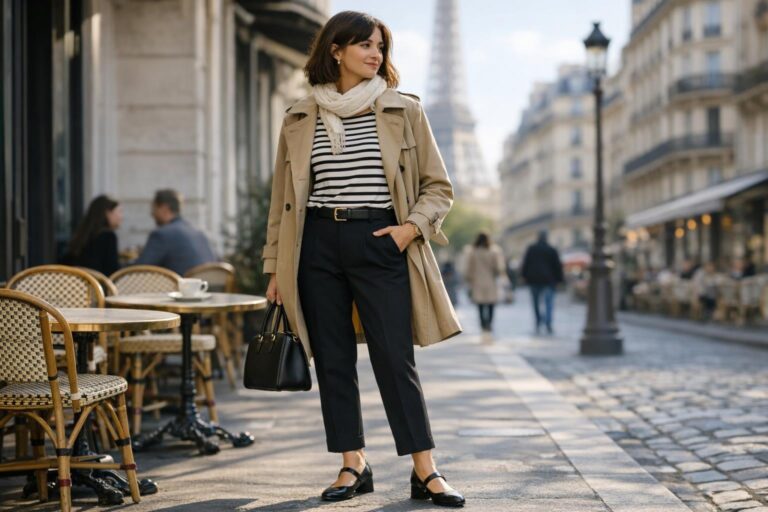
- A trench-style outer layer for commute-friendly coverage
- A sleeveless or short-sleeve base layer that still looks professional under a topper
- A polished knit layer that reads refined rather than lounge-like
Tips: When building a layered look, aim for one “hero” layer (like a blazer) and keep everything else streamlined. If you pile on too many pieces, you’ll end up with a look that feels heavy—exactly what you’re trying to avoid in spring.
How to Layer Without Adding Visual Bulk
Keep the base layer fitted or cleanly tailored, then add a slightly structured layer on top. If your top layer is relaxed, make sure the rest of the outfit is more polished. This prevents the overall outfit from slipping into weekend territory.
Tips: If your office runs cold, plan outfits so the warmest layer can stay on indoors while still looking “part of the outfit.” A cardigan or blazer can do that better than an overly casual sweatshirt-style layer.
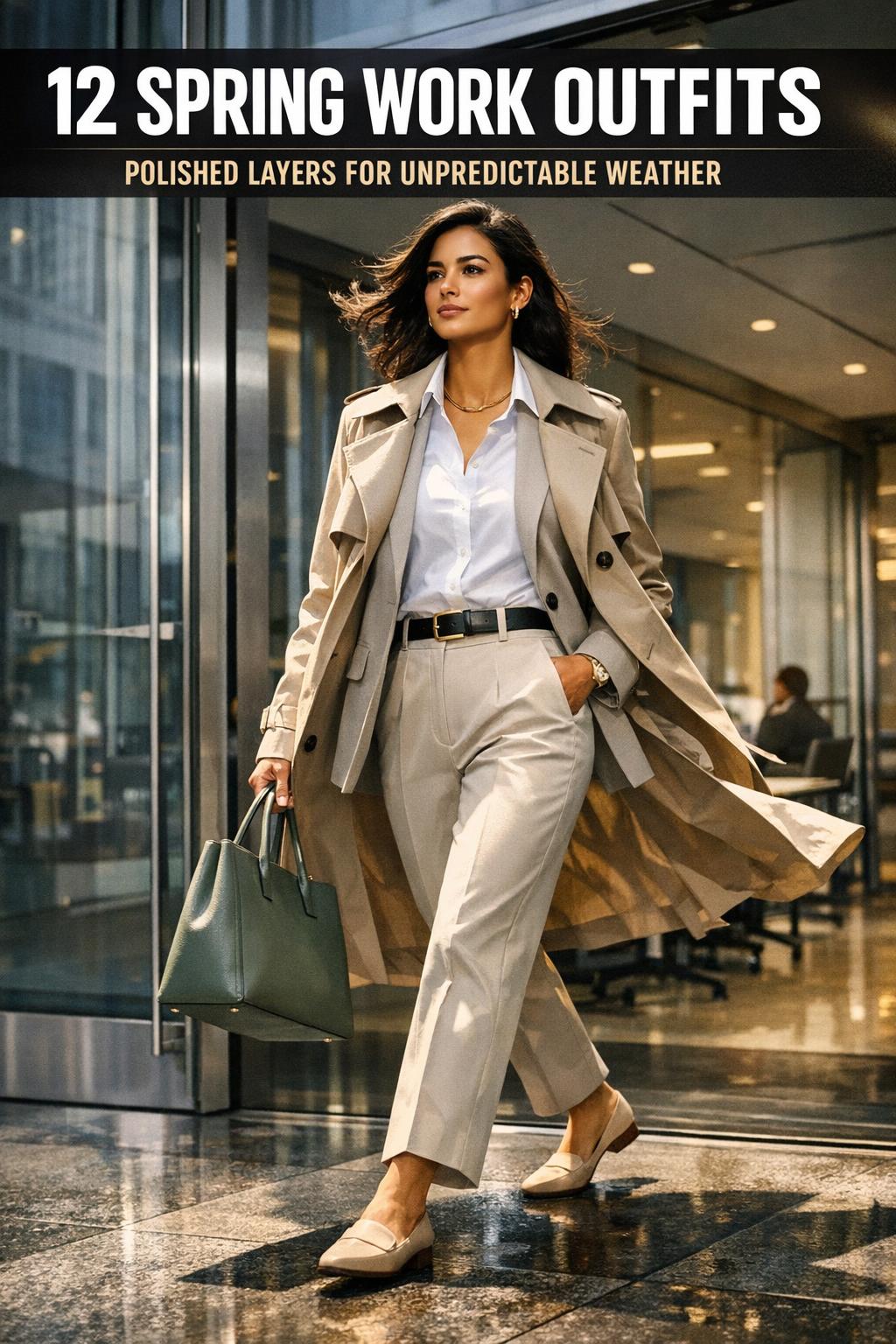
Outfit Formulas You Can Repeat (With Multiple Variations)
Outfit formulas reduce decision fatigue. Once you find combinations that work, you can rotate colors and fabrics to keep them spring-appropriate and fresh. Below are reliable spring-ready formulas that suit a range of office environments.
Blazer + Top + Tailored Pants
This is a classic for a reason: it reads professional instantly and adapts to changing temps. For spring, keep the base layer breathable and let the blazer be your “polish piece.”
- Wear a lighter, smoother top under the blazer to avoid feeling stuffy
- Choose tailored pants that hold shape through a long day
- Use a clean shoe choice to finish the look without overcomplicating it
Button-Down Shirt + Straight-Leg Pants
This formula works across business professional and business casual. It’s also ideal for spring when you want something crisp but not heavy. If your day warms up, you can remove the outer layer (if you added one) and still look complete.
Tips: If you want this to feel more spring-forward, keep the look clean and light rather than overly layered. A neat tuck and a structured bag can make the outfit feel intentional even with minimal pieces.
Midi Dress + Light Jacket or Cardigan
A midi dress is one of the easiest spring work pieces because it’s a full outfit in one step. Add a light layer for morning commutes or chilly conference rooms and remove it when the day warms up.
- Choose a dress silhouette that allows comfortable movement at work
- Add a structured layer if your office leans formal
- Keep accessories streamlined for a professional finish
Skirt + Knit Top + Blazer
This is a spring-friendly way to balance comfort and professionalism. The knit top keeps it wearable, while the blazer ensures the outfit still reads as work-ready. You can vary skirt shapes depending on your comfort and office expectations.
Matching Set + Polished Shoes
A coordinated set simplifies dressing and looks instantly put-together, especially on busy mornings. Keep the silhouette office-appropriate and rely on refined shoes and a structured layer if needed to keep it professional.
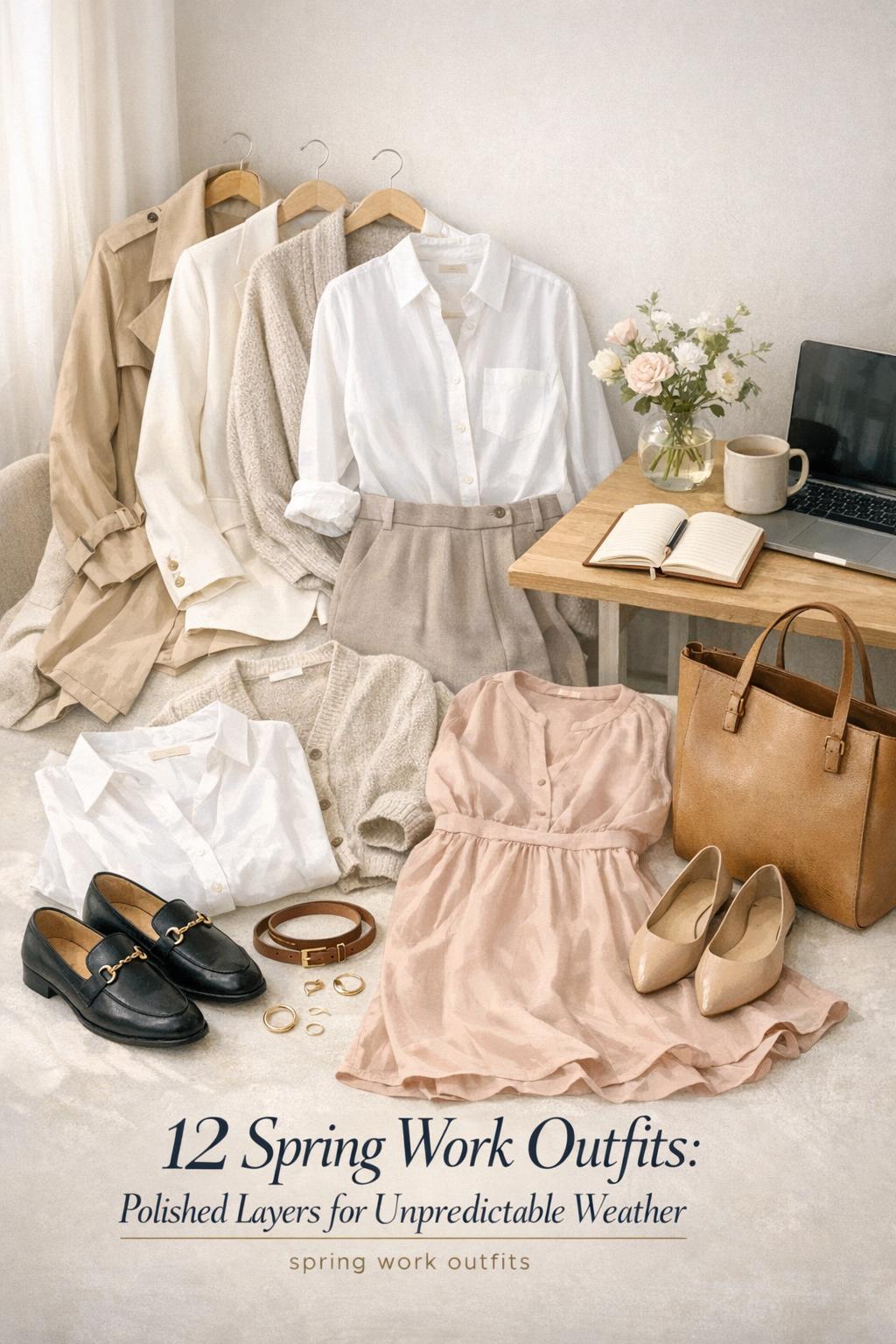
Color, Pattern, and Texture: Spring-Appropriate Without Looking Loud
Spring often invites brighter color and lighter styling, but for work, the goal is controlled freshness. You can incorporate spring energy through subtle shifts in color and texture that still feel professional.
Easy Ways to Add Spring Color at Work
- Keep the outfit base neutral and add one spring-toned piece
- Use color in a blouse or knit under a blazer to maintain structure
- Try a lighter shade of your usual palette rather than switching styles entirely
- Use accessories as small “spring signals” if your office is conservative
Tips: If you’re unsure whether a color feels too bold for your workplace, keep it away from high-visibility areas like a full suit and instead use it in a top under a jacket or in a subtle accessory. You’ll get the seasonal update without feeling exposed.
Patterns That Still Read Professional
Patterns can look polished when they’re balanced with solid pieces and clean lines. The simplest approach is one patterned item paired with solid tailoring so the outfit stays grounded and office-appropriate.
Tips: If you wear a patterned skirt or dress, keep the rest of the look minimal—think a solid jacket and calm accessories—so the overall outfit stays professional and not overly busy.
Shoes for Spring Work Outfits: Polished, Comfortable, and Practical
In spring, footwear has to work with unpredictable weather and your commute while still looking professional. The right shoes can make even a simple outfit feel intentional; the wrong shoes can make a polished outfit look unfinished.
Work-Friendly Shoe Options to Rotate
- Closed-toe flats for days when you want comfort without looking casual
- Low heels for a more formal finish while staying wearable
- Loafers as a structured alternative that pairs well with trousers and dresses
- Sleek ankle boots for early spring or rainy days when you need more coverage
Tips: Keep at least one pair of shoes reserved for “presentation days”—a pair that’s comfortable enough to walk in but polished enough to elevate your look. That way, you’re never scrambling before a meeting.
Commuter-First Styling
If you walk a lot or use public transportation, plan your outfit around footwear first. You can always add polish with a structured layer and a refined bag, but uncomfortable shoes can derail your entire day.
Accessories That Elevate Spring Office Looks
Accessories are the easiest way to make spring work outfits feel complete. The most professional approach is to keep accessories cohesive and purposeful rather than piling on multiple statement items at once.
Professional Accessories That Add Spring Energy
- A structured tote or satchel that holds daily essentials
- A belt to define shape and sharpen a simple look
- Minimal jewelry that looks intentional without being distracting
- A lightweight scarf for variable temperatures and a refined finish
Tips: If your outfit is made of basics, add one accessory that communicates “finished.” A structured bag or a clean belt can be enough to make a simple combination look like a styled outfit instead of just clothes.
Ideas for Different Workdays: From Meetings to Casual Fridays
Not every day at work requires the same level of formality. Planning spring outfits by context helps you dress appropriately without feeling like you’re overdoing it or underdressed.
Meeting or Presentation Day Outfit Ideas
For high-visibility days, lean on structure and clean lines. A tailored layer is your shortcut to credibility, and keeping the rest of the outfit simple helps you look confident and focused.
- A blazer-forward look with tailored pants and a refined top
- A polished dress with a structured jacket as a finishing layer
- A crisp shirt paired with clean, straight-leg trousers
Regular Office Day Outfit Ideas
For everyday office wear, prioritize comfort and repeatable formulas. The easiest approach is to choose one elevated piece—like a blazer, a polished shoe, or a structured bag—and keep the rest streamlined.
Casual Friday Outfit Ideas That Still Look Professional
Casual Fridays can be tricky because “casual” can quickly become “messy.” The best approach is to keep your outfit neat and cohesive, then relax one element—like swapping a blazer for a cardigan or choosing a softer silhouette—while keeping everything else office-ready.
Tips: If you’re wearing a more relaxed item, counterbalance it with something structured. A structured bag, a polished shoe, or a tailored pant can keep the outfit grounded and appropriate.
Comfort and Confidence: Make Spring Outfits Wearable All Day
The best spring work outfits aren’t just attractive—they’re functional. If you’re constantly adjusting your clothes or feeling restricted, you’ll look less confident no matter how stylish the pieces are.
Fit and Movement Checks
Before committing to a new outfit formula, test it for real-life work conditions: sitting, walking, reaching, and carrying your essentials. If it only works while standing still, it’s not an everyday solution.
Temperature Strategy for Unpredictable Spring Days
A smart spring strategy is dressing so you can remove one layer and still look complete. That means your base layer should always be appropriate on its own, and your outer layer should look intentional when worn.
Tips: Keep a workplace backup layer at your desk if you can—something neutral that works with most outfits. That way, you’re covered for unexpectedly cold offices without having to compromise your look.
Build a Mix-and-Match Spring Work Wardrobe (Without Overthinking It)
You don’t need an entirely new wardrobe for spring. A small set of core pieces in a cohesive palette can create many spring work outfits with minimal effort. The goal is reusability: pieces that combine easily so you can create variety without clutter.
A Simple Core Capsule to Anchor Outfits
- One or two structured layers (like a blazer and a light cardigan)
- Two to three work-appropriate tops that layer well
- Two pairs of tailored bottoms that you can rotate
- One office-appropriate dress that can be layered
- Two pairs of polished shoes you can wear all day
Tips: If you’re trying to streamline your mornings, repeat the same outfit formula and change only one variable at a time—like swapping the top color or switching flats to loafers. You’ll look like you have endless outfits without creating complicated combinations.
How to Create More Outfits With Fewer Pieces
Think in layers and “topper” pieces. A dress can work alone, or with a blazer, or with a cardigan. Tailored pants can work with a button-down, a knit top, or a refined blouse. When each piece has at least three partners, you’re building a flexible spring system rather than a closet full of one-offs.
Common Mistakes to Avoid With Spring Office Dressing
Spring dressing can drift into looking too casual, too seasonal, or simply impractical for work. Avoiding a few common pitfalls helps you stay polished while still embracing lighter spring styling.
- Relying on a single heavy layer that becomes uncomfortable as the day warms up
- Choosing overly casual items as the “main piece” of the outfit without balancing structure
- Adding too many trends at once instead of focusing on clean, repeatable formulas
- Wearing shoes that look good but don’t hold up to your commute or full workday
- Skipping the “finished” element (like a structured bag or a topper) and ending up with an incomplete look
Tips: When in doubt, simplify. One structured piece, one comfortable base, and one polished finishing element usually reads professional in most workplaces.
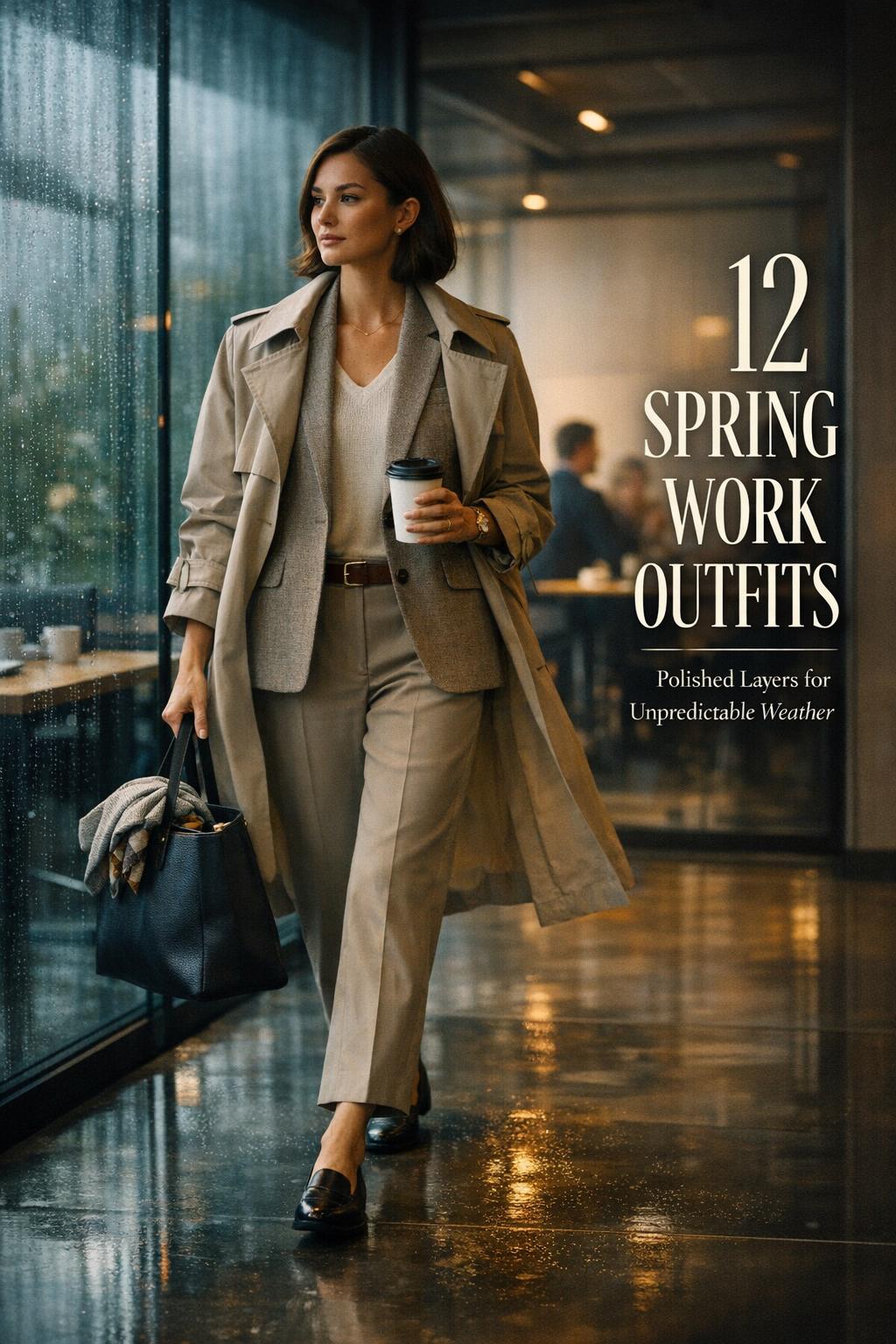
FAQ
What are the easiest spring work outfits to put together quickly?
Repeat a simple formula like blazer plus top plus tailored pants, or a midi dress with a light jacket; these combinations look professional immediately and adapt well to spring temperature changes.
How do I dress for cold office air conditioning in spring?
Build outfits with an office-appropriate layer you can keep on indoors, such as a blazer or lightweight cardigan, and make sure your base layer still looks professional if you remove the topper.
Can I wear dresses to the office in spring?
Yes—choose a work-appropriate dress length and silhouette, then add a structured layer like a blazer or a refined cardigan to keep the look polished and flexible for changing temperatures.
What shoes work best for spring office outfits?
Closed-toe flats, loafers, low heels, and sleek ankle boots are reliable options because they stay polished while handling commutes and unpredictable spring weather more comfortably than impractical footwear.
How can I add spring color to my work wardrobe without looking too bold?
Keep your main pieces neutral and introduce color through one item at a time—like a top under a blazer or a subtle accessory—so the overall look stays professional and balanced.
What should I wear on casual Friday in spring?
Relax one element of your outfit while keeping the rest refined—for example, swap a blazer for a cardigan but keep tailored pants and polished shoes so the look remains workplace-appropriate.
How do I make basic outfits look more polished for work?
Add one finishing element that signals intention, such as a structured bag, a belt, or a tailored layer; these details can make simple pieces look like a complete, professional outfit.
How do I avoid looking too casual in spring work outfits?
Anchor the outfit with at least one structured piece—like a blazer, tailored pants, or polished shoes—and keep the rest cohesive, clean, and minimally fussy rather than mixing multiple relaxed items together.
Finish the look
The little extras that make a summer outfit feel complete
From beach days to city weekends, these easy pieces bring comfort, texture, and a polished finishing touch.

FENBEN
Straw Hobo Crossbody Bag
A handwoven straw bag with both short and crossbody straps—an effortless finishing touch for vacation looks and warm-weather outfits.
Shop the bag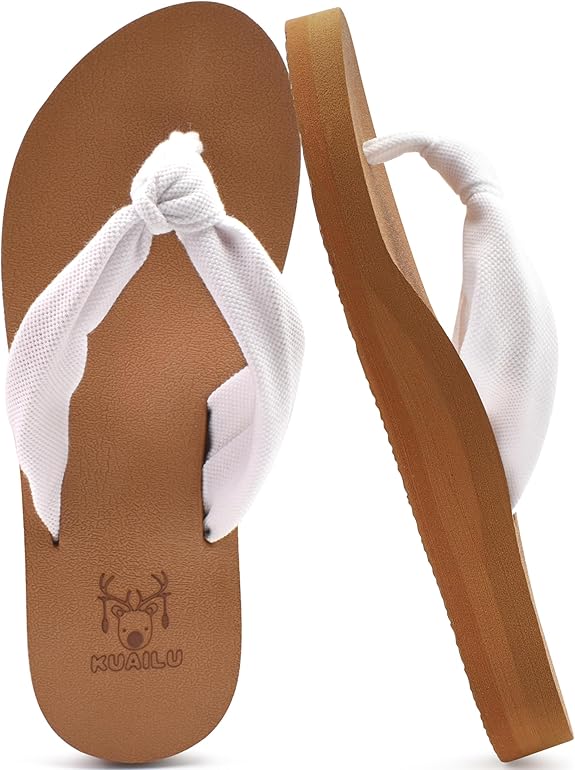
KuaiLu
Flip Flops with Arch Support
Cushioned, lightweight sandals with supportive arch design—a practical choice for beach trips, errands, and long summer walks.
Shop the sandals
baleaf
Athletic One-Piece Swimsuit
A functional one-piece with adjustable straps and moderate coverage, designed for swimming, training, surfing, and active beach days.
Shop the swimsuit
Astylish
Linen-Cotton Button-Down Shirt
A relaxed cotton-linen shirt with a collared V-neck and roll-up sleeves—easy to style over swimwear or with denim and shorts.
Shop the shirt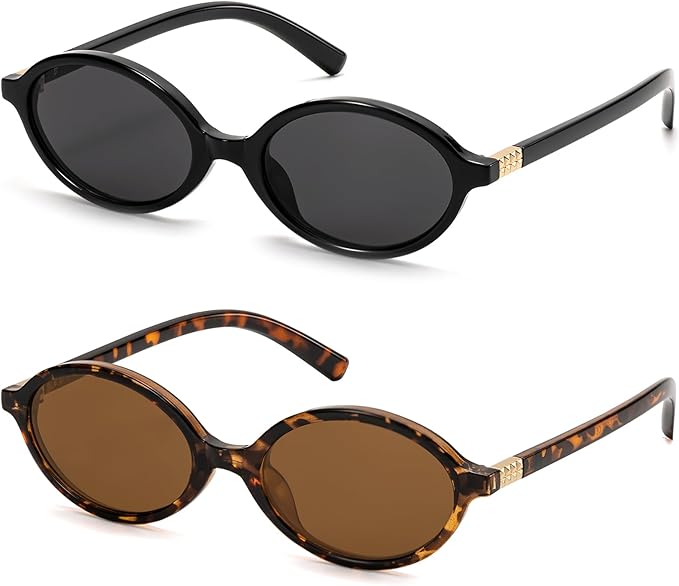
ViewJoy
Retro Oval Sunglasses
Small oval sunglasses with a 90s-inspired silhouette and UV400 lens protection—a quick way to add a vintage edge to everyday looks.
Shop the sunglasses
Affiliate disclosure: This section contains affiliate links. If you make a purchase through these links, I may earn a commission at no additional cost to you. Product selection, pricing, availability, and delivery terms may change—please review the current details on Amazon before purchasing.
As an Amazon Associate I earn from qualifying purchases.