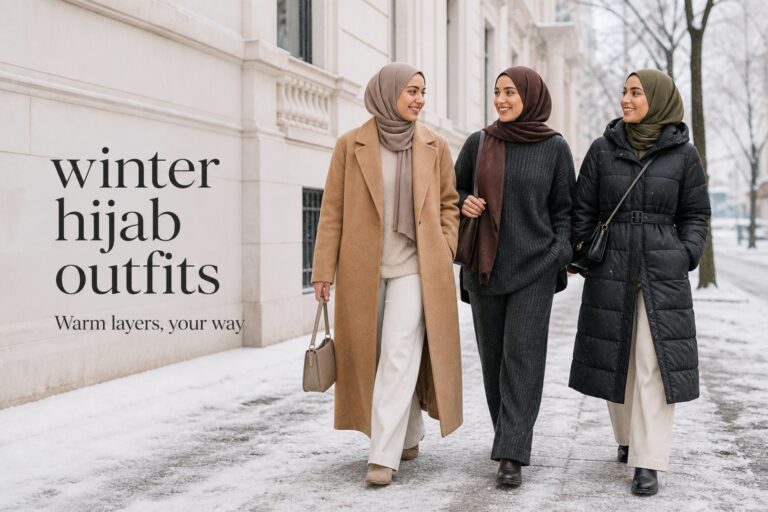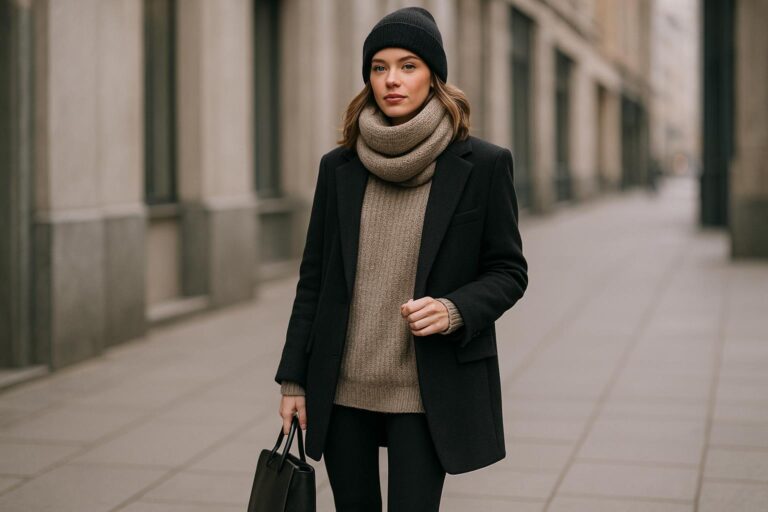
Chic Winter Wedding Guest Outfit Guide for Cold-Weather I Do’s
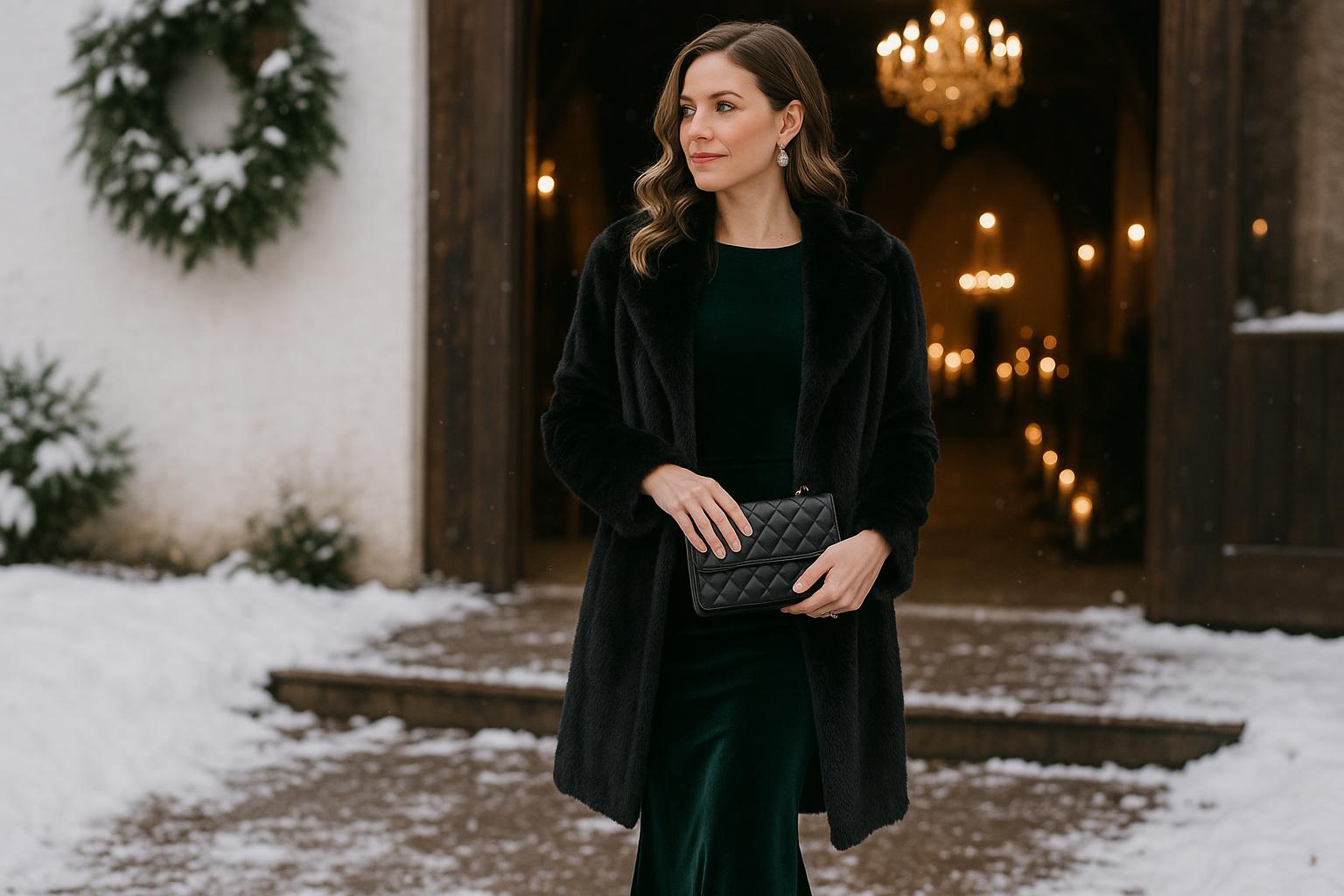
How to Choose the Perfect Winter Wedding Guest Outfit
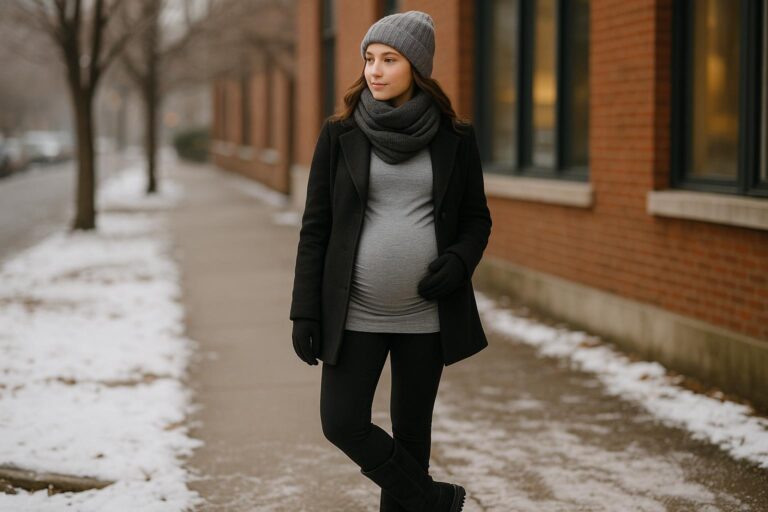
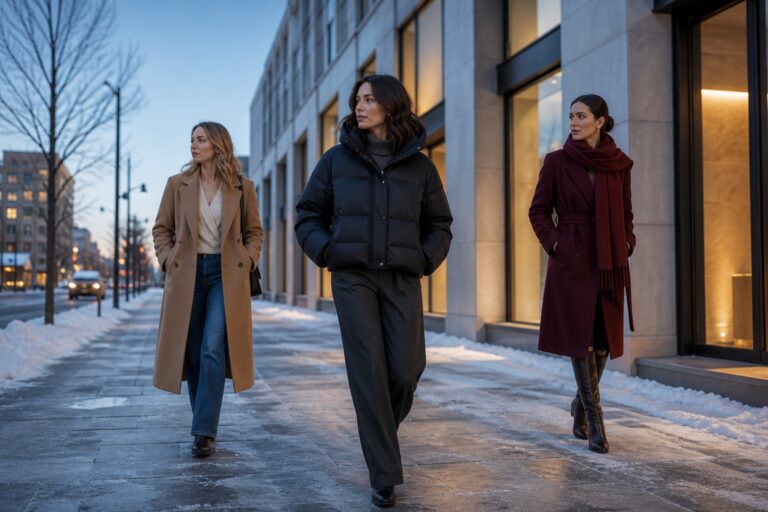
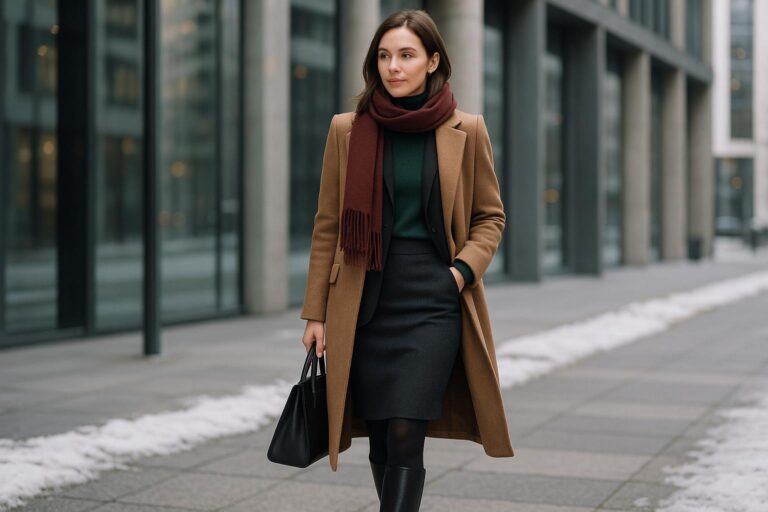
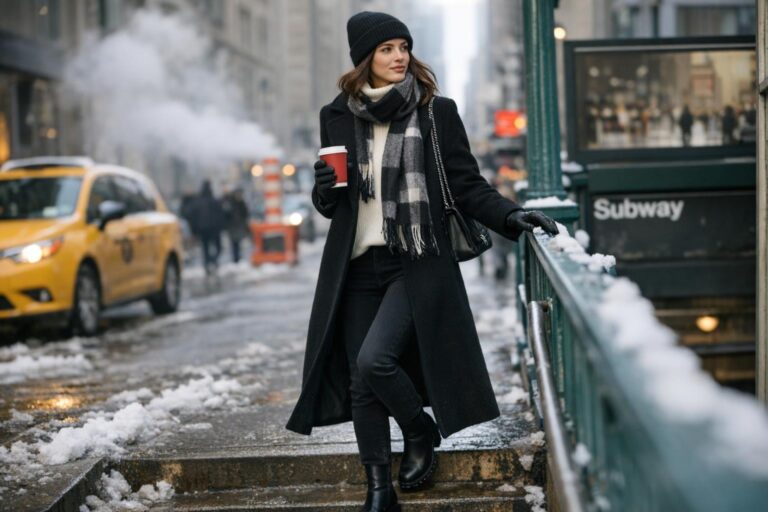
Winter wedding outfits are less about trends and more about balance — looking elegant while staying warm, and dressed-up without feeling overdone.
The key is understanding how to layer formal pieces in cold weather without losing shape or polish. This guide focuses on outfit formulas that work across different dress codes and winter conditions.
Looking for a complete guide? Read our Winter Outfit Ideas Guide.
The Fashion-Note Edit
Five effortless pieces to refresh your everyday wardrobe
A polished, practical edit for workdays, weekends, and everything in between.

The Drop
Women’s Blake Long Blazer
A longline, tailored blazer with a notched collar and a single-button closure—an easy layer for denim, dresses, or office-ready looks.
Shop the blazer
Amazon Essentials
Women’s Lightweight Crewneck
A soft, lightweight sweater with a clean crew neckline—the kind of reliable layer that works from cool mornings to air-conditioned spaces.
Shop the sweater
Amazon Essentials
Women’s Loafer Flat
A classic flat loafer that gives casual outfits a more polished finish and pairs naturally with tailored pants, skirts, and straight-leg jeans.
Shop the loafers
Levi’s
Women’s 501 90s Jeans
A relaxed, vintage-inspired take on the iconic 501 silhouette—made for an easy, lived-in look without the thrift-store search.
Shop the jeans
Colorfulkoala
High-Waisted 7/8 Leggings with Pockets
Soft, four-way-stretch leggings with side pockets and a high-rise waistband—designed for movement, errands, and off-duty comfort.
Shop the leggings
Affiliate disclosure: This section contains affiliate links. If you make a purchase through these links, I may earn a commission at no additional cost to you. Product selection, pricing, availability, and delivery terms may change—please review the current details on Amazon before purchasing.
As an Amazon Associate I earn from qualifying purchases.
Understanding Winter Wedding Dress Codes
Before choosing an outfit, it’s important to match the level of formality.
Your wedding style is personal.
Your plan should feel that way, too.
Zarellea keeps your guest list, budget, vendors, and every next step beautifully organized — so you can focus on the moments that feel like you.
- Formal / Black Tie: long dresses, structured coats, heeled boots
- Semi-formal: midi dresses, elegant layers, refined shoes
- Casual: polished but relaxed outfits with clean structure
The same outfit can feel appropriate or out of place depending on styling.
Choosing any winter wedding guest outfit, start by decoding the dress code on the invitation. The same labels—black tie, formal, cocktail, semi-formal, casual—apply year-round, but winter adds expectations around richer fabrics, deeper colors, and more coverage.
Black Tie Winter Weddings
Black tie winter weddings usually call for full-length dresses or very polished separates that feel evening appropriate. This is the time for luxe materials and dramatic details that complement the season’s naturally glamorous backdrop.
Many guests lean into rich jewel tones, velvets, and satin gowns. Long sleeves, off-the-shoulder necklines, or high neck dresses can all work, as long as the overall look is formal. A floor-length dress or a sophisticated jumpsuit with elegant tailoring typically fits best for a winter black tie celebration.
Formal or Black Tie Optional
Formal winter weddings allow slightly more flexibility than strict black tie. You can choose between a long dress, a midi dress, or an elevated jumpsuit. Think structured silhouettes, refined fabrics, and polished accessories rather than anything casual or beachy.
A winter wedding guest outfit for this dress code might be a mid-calf slip dress in satin with a tailored blazer, a velvet wrap dress, or a wide-leg jumpsuit with statement earrings. Aim for eveningwear energy but not necessarily a red-carpet level of formality.
Cocktail and Semi-Formal
Cocktail and semi-formal winter weddings are incredibly common and give you the most room for creativity. Shorter hemlines are acceptable, but you still want to look put together and occasion-ready, not like you are going to a casual dinner.
Knee-length or midi dresses, dressy skirts with blouses, or tailored jumpsuits all work well. Opt for heavier fabrics than you would for summer cocktail attire, and consider deeper hues, embellishments, or subtle shimmer to keep things festive while still warm.
Daytime, Casual, and Rustic Winter Weddings
Daytime or rustic winter weddings, like those in barns, lodges, or outdoor-adjacent venues, can be more relaxed but often much colder. Your winter wedding guest outfit here should be practical yet refined—think smart layers, winter-appropriate dresses, and shoes that can handle uneven terrain or possible snow.
Casual does not mean jeans or overly relaxed clothing. A knit dress with tall boots, a wool midi skirt with a blouse and sweater, or a simple long-sleeve wrap dress can be perfect, especially when paired with a warm coat and seasonal accessories.
How to Layer Formal Outfits Without Losing Elegance
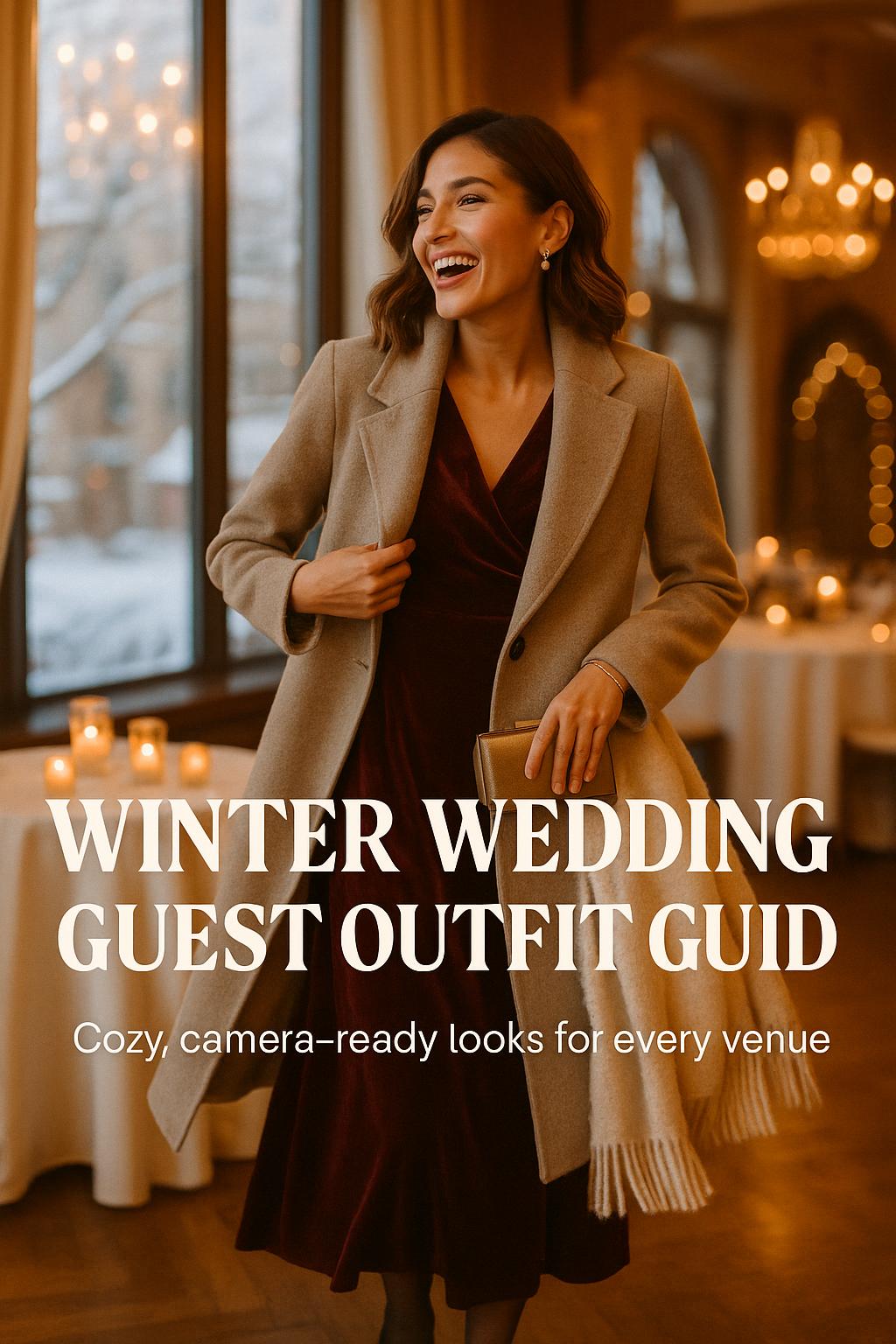
Layering for events is different from everyday outfits.
- Use structured outerwear (coat, blazer)
- Avoid bulky knits over dresses
- Keep inner layers fitted
- Choose fabrics that drape well
The outer layer should complement the outfit, not dominate it.
Best Fabrics for a Winter Wedding Guest Outfit
Fabric choice is one of the biggest differences between a summer look and a winter wedding guest outfit. The right materials will keep you warmer, look more seasonally appropriate, and photograph beautifully.
Velvet and Velour
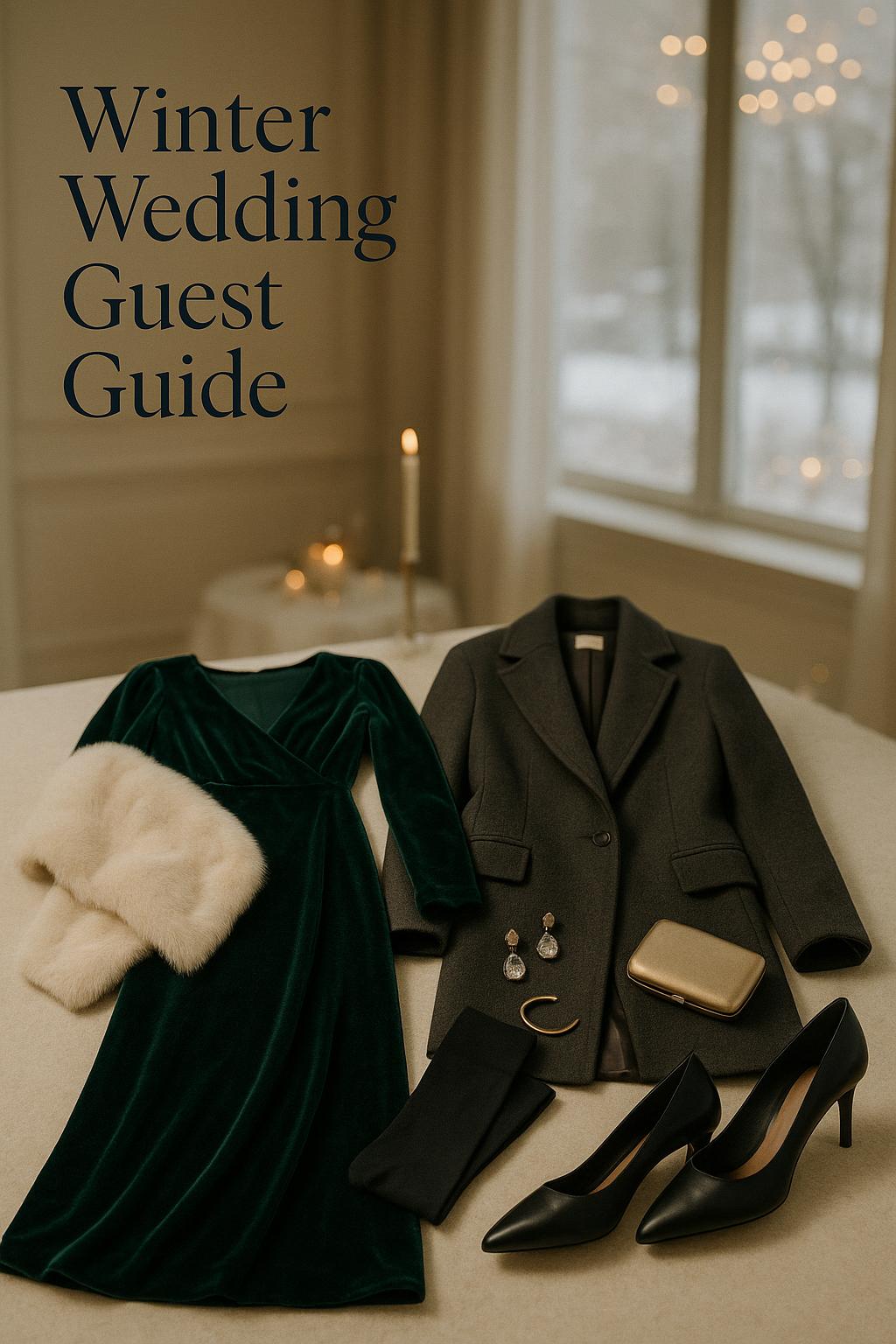
Velvet is a winter staple for a reason: it is rich, plush, and instantly dressy. A velvet dress, jumpsuit, or blazer adds depth and texture to your outfit while offering more warmth than a lightweight fabric. Deep navy, burgundy, emerald, and black velvet all look particularly striking in evening light and flash photography.
Satin, Silk, and Charmeuse
Satin and silk are not inherently warm, but their sheen and drape are perfect for dressy winter weddings. For comfort, combine these fabrics with smart layering—such as a slip underneath, a coat over top, and closed-toe shoes. Their smooth surface pairs beautifully with textured outerwear like faux fur or wool.
Crepe, Wool Blends, and Heavy Knit
Crepe and heavier blends give structure without feeling stiff. For more casual or daytime winter weddings, a wool-blend dress, knit midi dress, or crepe jumpsuit provides warmth and polish. These fabrics hold their shape, resist wrinkling, and layer well under coats.
Lace and Embellished Fabrics
Lace, sequins, beading, and metallic fabrics work beautifully for winter when balanced with coverage and layering. Long-sleeve lace dresses or sequin midi dresses give you a party-ready look that still feels seasonally grounded, especially when styled with tights, closed-toe shoes, and a refined coat.
Winter Wedding Color Combinations That Always Work
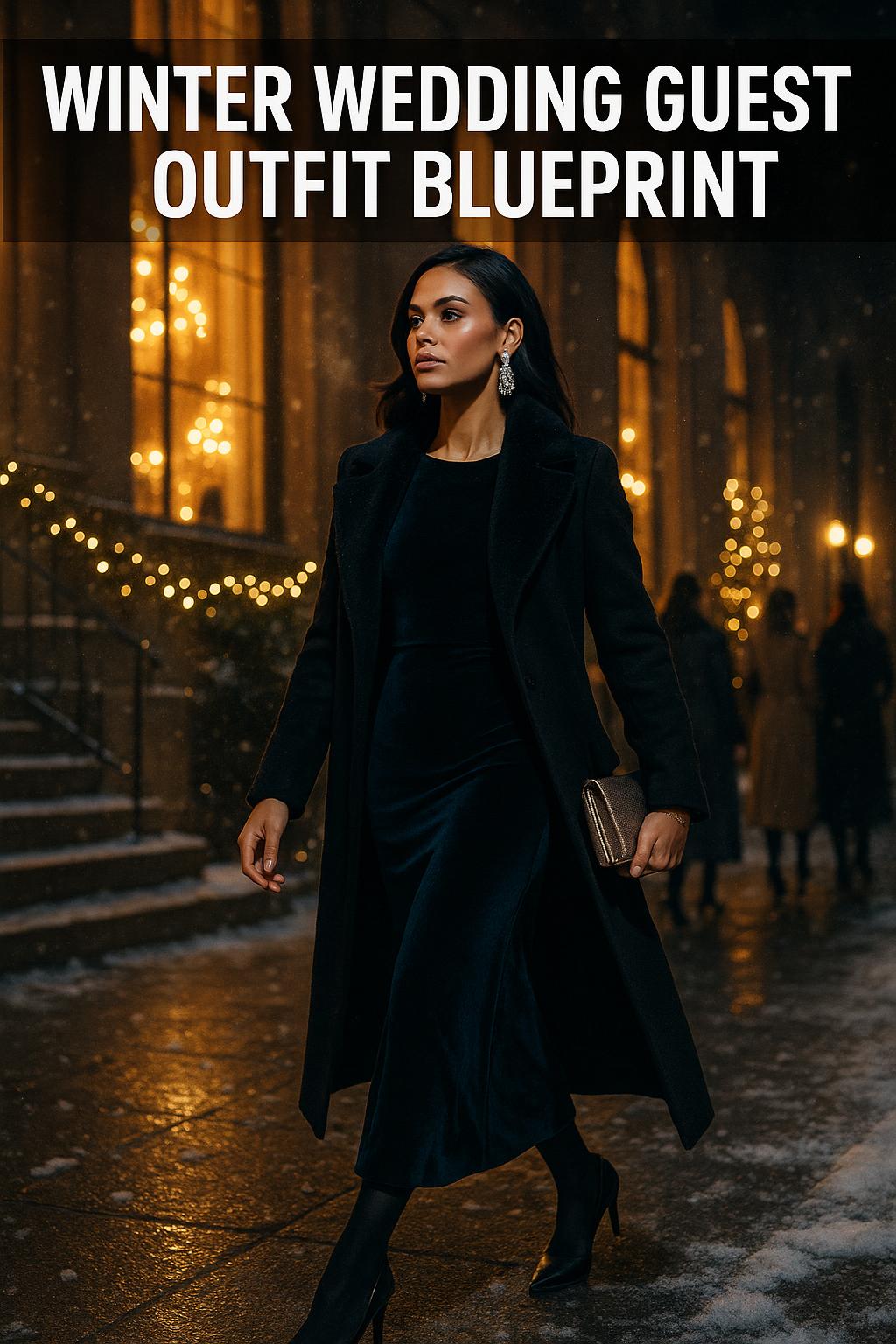
- Black + gold → classic and elegant
- Deep green + neutrals → seasonal and refined
- Burgundy + black → rich and formal
- All-neutral (beige/cream) → soft and elevated
Winter weddings favor deeper tones and controlled palettes.
Colors and Prints That Work Best for Winter Weddings
The color palette for a winter wedding guest outfit often skews richer and more muted than in warmer months. While there are no strict rules, certain shades and prints naturally align with the season and feel appropriate across a variety of venues.
Classic Winter Neutrals
Black, navy, charcoal, and deep brown are reliable winter choices that work for almost any wedding formality. They are flattering, easy to accessorize, and help anchor bolder jewelry or shoes. A simple black or navy dress can easily be elevated with metallic accessories, a statement clutch, or a luxe shawl.
Jewel Tones and Deep Hues
Emerald, ruby, sapphire, amethyst, forest green, wine, and deep teal echo the richness of the season and look sophisticated in photos. These shades work especially well for evening and formal weddings, and they pair beautifully with gold or silver jewelry.
Metallics and Subtle Shine
Gold, silver, gunmetal, and champagne tones fit right in with holiday-season weddings or New Year’s celebrations. If a full metallic dress feels too bold, incorporate shine through a metallic clutch, heels, or a beaded top paired with a solid skirt or trousers.
Prints and Florals for Winter
Florals and prints are not off-limits in winter; they just tend to be darker and more subdued. Look for moody florals on black or navy backgrounds, baroque-inspired patterns, or subtle geometric prints in muted tones. These options give visual interest while still feeling appropriate for the season.
Dress Lengths and Silhouettes for Cold Weather
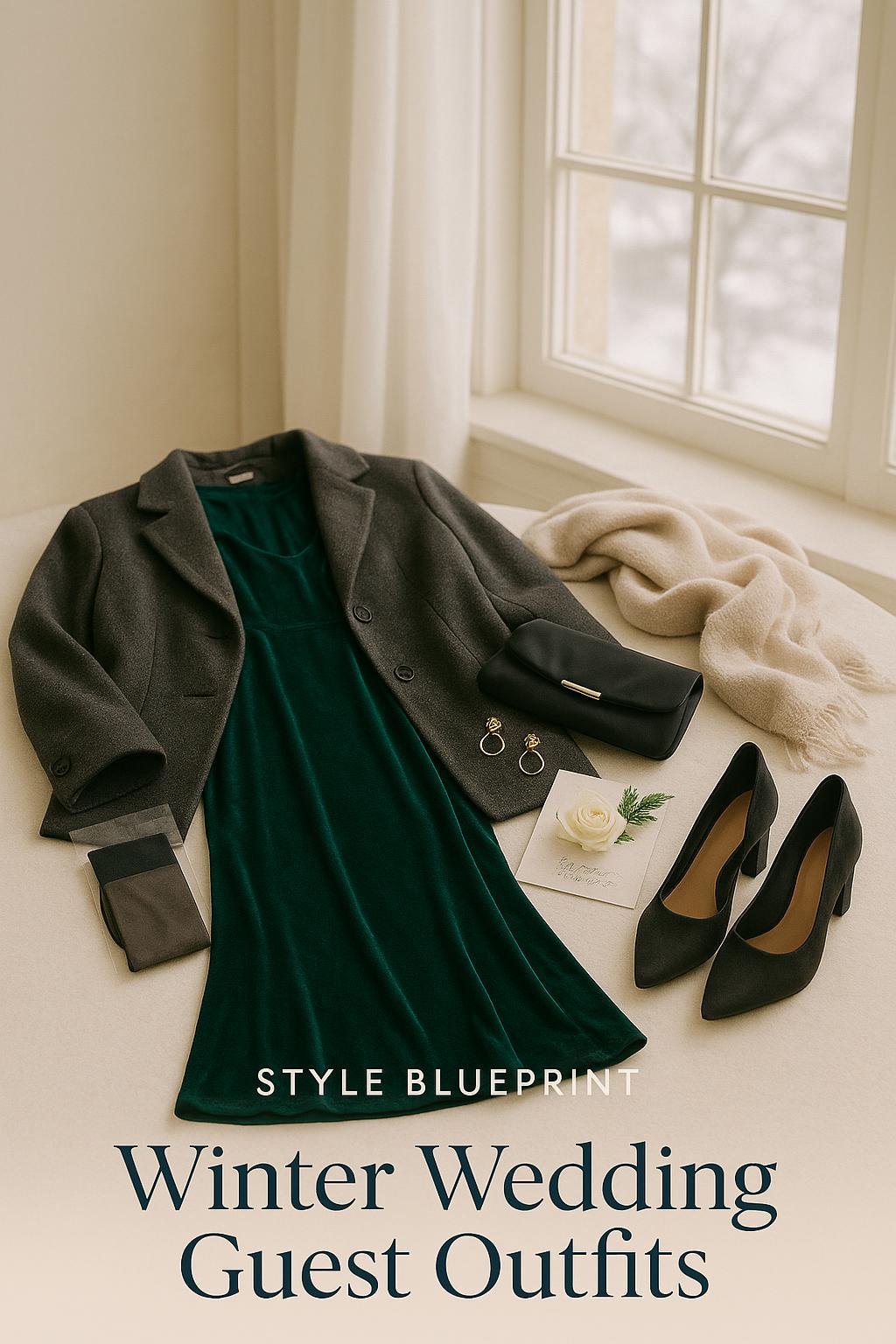
Hemline and silhouette play an important role in balancing style and practicality when planning a winter wedding guest outfit. Consider both the dress code and the temperatures you are likely to encounter between the ceremony, photos, and reception.
Floor-Length Dresses and Gowns
Full-length dresses are ideal for black tie or formal winter weddings, and they offer extra warmth by covering your legs. Styles can range from sleek column gowns to romantic A-lines. Many guests appreciate the ability to wear fleece-lined tights or warm hosiery underneath without them showing.
Midi Dresses
A midi length, hitting between mid-calf and just above the ankle, is one of the most versatile options for winter. It feels modern, works for most dress codes, and pairs well with tall boots or elegant pumps. A long-sleeve midi dress in velvet or satin is a particularly strong choice for many winter events.
Knee-Length and Short Dresses
Knee-length or slightly above-the-knee styles can still be appropriate in winter when balanced with heavier fabrics, sleeves, and tights or sheer hosiery. For very formal events or extremely cold weather, shorter hemlines may be less comfortable or feel less aligned with the season, so weigh the venue and dress code carefully.
Jumpsuits and Tailored Separates
Jumpsuits and coordinated separates are excellent winter wedding options, combining style with practicality. A long-sleeve jumpsuit in crepe or velvet with a defined waist can be just as polished as a dress. Tailored wide-leg trousers with a dressy top or structured blazer can also work, especially for cocktail or semi-formal dress codes.
Layering Strategies to Stay Warm and Polished
Layering is the key to making a winter wedding guest outfit both functional and elegant. You will likely move between different temperatures—frosty outdoor air, warm indoor venues, and sometimes drafty ceremony spaces—so plan for flexibility.
Base Layers and Undergarments
Subtle base layers can add warmth without changing your overall look. Depending on the style of your outfit, you might use skin-tone thermal tops, slips, or tights. Choose seamless or smoothing options so they remain invisible under fitted dresses or jumpsuits.
Sheer, Opaque, and Fleece-Lined Tights
Tights are a winter essential if you are wearing a dress or skirt. Sheer black tights give a polished look for evening, while opaque or fleece-lined tights are ideal for colder or more casual settings. Matching your tights to your shoes can create a lengthening effect and help your outfit look intentional.
Sweaters, Shawls, and Wraps
A well-chosen layer makes your winter wedding guest outfit feel complete. Dressy shawls, wraps, and pashminas work well over sleeveless or strapless dresses and can be removed once you start dancing. Lightweight knit cardigans or shrugs can function similarly, especially for semi-formal or daytime events. For more formal weddings, look for wraps in luxe fabrics like cashmere, silk blends, or embellished styles.
Choosing the Right Outerwear
Your coat is part of your winter wedding guest outfit, especially for arrival, departure, and any outdoor photos. Aim for outerwear that complements your look rather than something purely utilitarian that clashes with your outfit’s formality.
Coats for Formal and Black Tie Weddings
For dressy winter weddings, tailored wool coats, long wrap coats, or dress coats in classic colors like black, camel, navy, or deep jewel tones work best. A streamlined silhouette that hits at the knee or longer feels especially elegant over floor-length dresses and gown styles.
Outerwear for Cocktail and Semi-Formal Events
For less formal weddings, you can choose from a broader range of outerwear: shorter wool coats, faux fur jackets, cape-style coats, or structured trench-style coats in heavier fabrics. A chic faux fur or shearling-trimmed coat can add a wintery, celebratory touch while still keeping you warm.
Rustic and Outdoor-Friendly Options
If the wedding takes place in a barn, lodge, or at a venue that requires walking outside in cold or potentially snowy conditions, consider a coat that is warm and practical without looking overly casual. Insulated wool coats, lined parkas in dark colors, or water-resistant dress coats can work, especially when paired with smart footwear that you might change out of once indoors.
Choosing Shoes for Winter Wedding Outfits
- Heeled boots → elegant + practical
- Closed-toe heels → classic option
- Block heels → better for outdoor surfaces
Avoid overly casual shoes — they can break the formal feel of the outfit.
Footwear for Winter Wedding Guests
Shoes can make or break both the comfort and polish of your winter wedding guest outfit. You will be standing, walking, and dancing, sometimes on wet or icy ground, so balance style with stability and warmth.
Closed-Toe Heels and Pumps
Closed-toe pumps are a classic choice that suits most dress codes and provides more warmth than sandals. Look for stable block heels or mid-heels if you expect to be on your feet for long stretches. Dark neutrals, metallics, or velvet-covered heels coordinate especially well with winter fabrics and colors.
Dressy Boots and Booties
Heeled ankle boots or knee-high boots can be an excellent option, especially for midi or knee-length dresses and more casual venues. Choose sleek, polished boot styles in leather or suede without heavy hardware or rugged treads if you are aiming for a more elegant look. For outdoor or rustic settings, you might wear practical boots for arrival and swap into dressy shoes indoors.
Flats and Low Heels
If you prefer not to wear heels, closed-toe flats or low block heels in satin, leather, or suede are all suitable for winter weddings. Pointed-toe or almond-toe styles tend to look more formal than rounded toes. You can also keep a pair of flats in your bag to change into later in the evening if your heels become uncomfortable.
Accessories That Elevate a Winter Wedding Guest Outfit
Accessories are where a winter wedding guest outfit truly comes together. Thoughtful choices can add personality, warmth, and a festive touch while still respecting the couple’s spotlight.
Jewelry and Hair Accessories
Statement earrings, layered necklaces, or a standout cuff bracelet can elevate a simple dress. In winter, metallics—especially gold, silver, and rose gold—pair beautifully with jewel tones and darker outfits. Hair accessories such as pins, combs, or simple embellished headbands can also add a special-occasion touch without overshadowing the bride.
Clutches and Evening Bags
A small clutch or compact crossbody bag is usually best, since large everyday handbags can distract from a polished look. Consider styles in satin, velvet, beaded designs, or metallic finishes that coordinate with your shoes or jewelry. Make sure it is big enough to hold your essentials: phone, cardholder, lipstick, and any touch-up products you might need.
Gloves, Scarves, and Hats
For very cold winter weddings, elegant outerwear accessories can be both practical and stylish. Leather or wool gloves, a refined scarf, or a simple beret worn only outdoors can keep you warmer without detracting from your outfit once you are inside. Choose pieces in classic colors or shades that complement your coat.
What Not to Wear to a Winter Wedding
Knowing what to avoid is just as important as knowing what to wear. A polished winter wedding guest outfit should respect the couple, the venue, and the season.
- Avoid white, ivory, or any shade that could be mistaken for the bride’s dress unless the couple explicitly states a “wear white” theme.
- Skip overly casual fabrics and pieces like distressed denim, hoodies, and sneakers (unless the couple has specifically requested casual attire).
- Steer clear of very summery pieces such as beachy sundresses, linen separates, or strappy casual sandals that look seasonally out of place.
- Be cautious with overly revealing outfits that may feel inappropriate for colder weather or religious venues, especially if the ceremony is in a place of worship.
- Avoid loud or humorous prints that could draw attention away from the couple or clash with the formality of the day.
Winter Wedding Guest Outfit Ideas by Venue Type
Different venues and settings influence how formal, practical, and warm your winter wedding guest outfit should be. Use these ideas as starting points and adapt them to your personal style and the specific invitation details.
City Ballroom or Hotel Wedding
City venues and hotel ballrooms tend to be more formal and temperature-controlled. Consider a long satin or velvet gown, a structured midi dress, or a sleek jumpsuit with statement jewelry. A tailored wool coat and closed-toe heels round out the look, and a small clutch keeps things refined.
Barn, Lodge, or Rustic Winter Wedding
Rustic venues are often charming but can be cooler and involve more outdoor walking. A long-sleeve midi dress, knit dress, or stylish skirt-and-sweater combination paired with tights and heeled boots works well. Choose a warm coat that can handle possible mud, snow, or gravel walkways, and consider bringing an extra wrap for added warmth during the ceremony.
Chapel or Historic Venue
Older churches and historic buildings may be drafty, especially in winter. Opt for a winter wedding guest outfit with sleeves or easy layering, like a long-sleeve midi dress with a wrap, or a dress with a fitted blazer. Tights and closed-toe shoes will keep you warmer, and you can remove outer layers once in the reception space if it is warmer.
Tips for Building a Comfortable, Stylish Winter Wedding Look
Comfort and confidence are just as important as style. A thoughtfully planned winter wedding guest outfit takes into account everything from travel to dancing.
- Check the invitation and wedding website for dress code, venue photos, and any notes about outdoor elements or heating.
- Plan your layers in advance, including undergarments, tights, and outerwear, so you do not have to improvise at the last minute.
- Break in new shoes before the wedding to avoid blisters, and consider gel inserts or cushioned insoles.
- Bring a small emergency kit in your bag: fashion tape, safety pin, pain reliever, and a compact or blotting papers.
- Try on your full outfit—including coat, shoes, and accessories—before the event to ensure everything works together and feels comfortable.
Outfit Ideas for Different Winter Wedding Guest Styles
Your personal style should still shine through in your winter wedding guest outfit, even while respecting the couple’s vision and the venue. Think about how you normally like to dress, then translate that into a winter-appropriate version.
Minimal and Modern
If you prefer clean lines and minimal details, try a simple long-sleeve midi dress in black or deep navy, a floor-length column dress, or a tailored jumpsuit in a solid color. Pair it with understated jewelry, a structured coat, and sleek pumps or ankle boots.
Romantic and Feminine
For a romantic aesthetic, look for soft draping, lace details, and flowing silhouettes in jewel tones or deep florals. A long-sleeve wrap dress, lace midi dress, or chiffon gown with a faux fur stole can feel beautifully wintery without sacrificing softness.
Bold and Glamorous
If you enjoy making a statement, winter is a perfect time for rich colors, sequins, and dramatic silhouettes. A sequin midi dress, a velvet gown in a saturated jewel tone, or a metallic pleated skirt with a dressy top can feel festive and glamorous, especially for evening or holiday-season weddings.
Relaxed but Polished
For more relaxed weddings or daytime ceremonies, aim for easy silhouettes in elevated fabrics. A knit dress with a belt, a mid-length skirt with a silky blouse and cardigan, or wide-leg trousers with a dressy top can all read appropriate while keeping you comfortable and warm.
Final Checks Before the Wedding Day
Once you have chosen your winter wedding guest outfit, a quick review ensures everything is ready. Confirm that your clothing is pressed or steamed, your shoes are clean, and your outerwear looks intentional with the rest of your look. Check the weather forecast the day before in case you need to adjust your coat or footwear choices.
Having your full outfit laid out—including jewelry, bag, tights, coat, and any backup items—will make getting ready stress-free and help you arrive on time, warm, and confident.
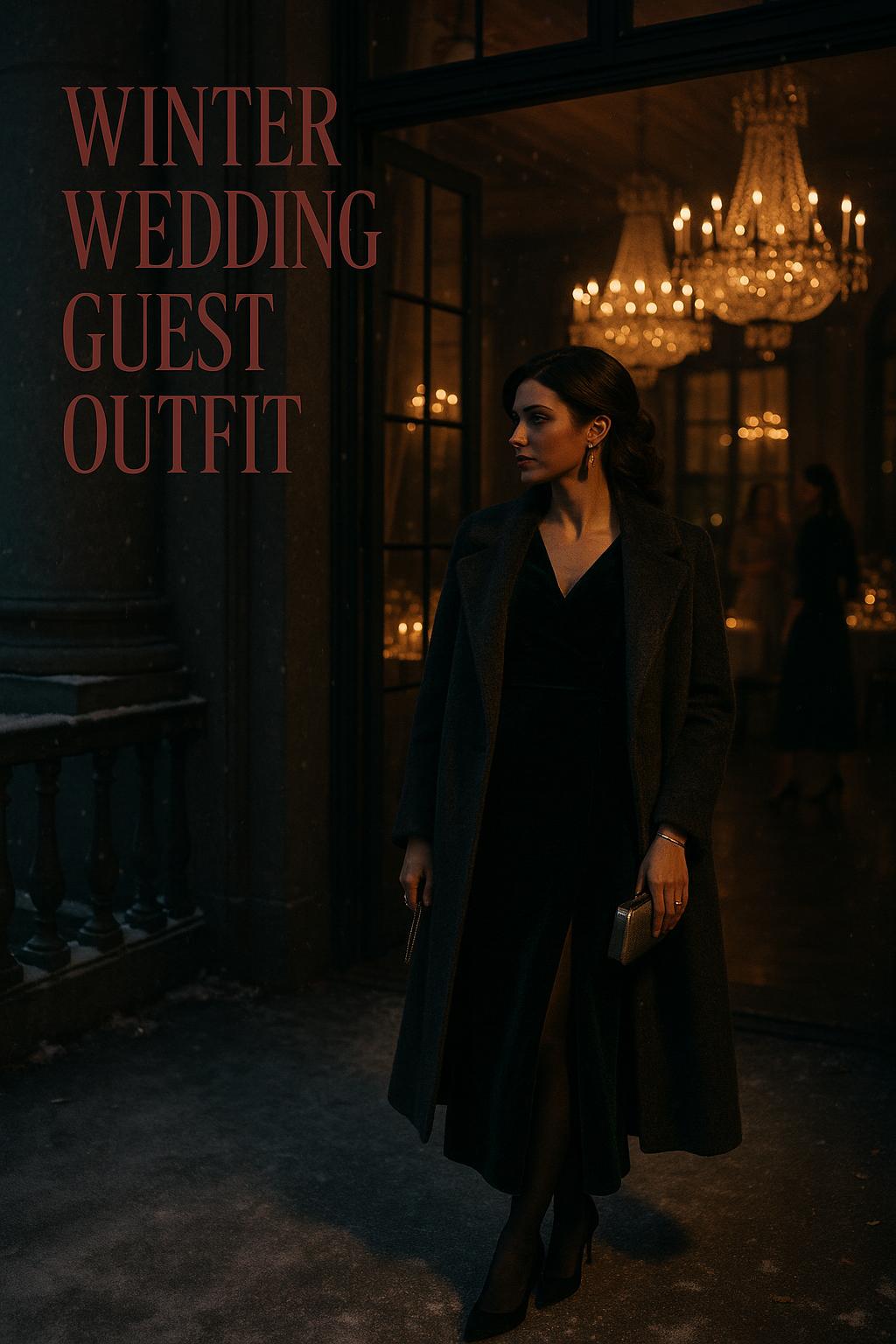
Styling Insight: The “One Elegant Layer Rule”
Every winter wedding outfit should have one structured, elegant outer layer — like a tailored coat or blazer.
This keeps the outfit cohesive even in cold conditions.
FAQ
What should I wear to a winter wedding as a guest?
For a winter wedding, choose an outfit that balances warmth, formality, and personal style. Opt for richer fabrics like velvet, satin, or crepe, deeper colors such as navy, emerald, or burgundy, and more coverage through long sleeves, longer hemlines, or tights. Pair your look with closed-toe shoes, a dressy coat, and seasonally appropriate accessories, adjusting the level of formality based on the dress code listed on the invitation.
Can I wear black to a winter wedding?
Black is widely accepted and often encouraged for winter weddings, especially for evening, city, or formal celebrations. A black dress, jumpsuit, or separates can look chic and timeless when styled with elegant jewelry, a polished coat, and closed-toe shoes. Just avoid anything that looks overly somber or casual, and add interest with texture, metallic accents, or statement accessories.
What kind of shoes are best for a winter wedding?
Closed-toe pumps, heeled ankle boots, or dressy flats are usually best for winter weddings because they provide more warmth and stability than strappy sandals. Choose styles that match the formality of the venue, such as sleek heels for ballroom weddings or polished boots for rustic or outdoor-friendly locations. If weather may be icy or wet, you can wear practical shoes for travel and bring a dressier pair to change into once you arrive.
Do I have to wear tights to a winter wedding?
You do not have to wear tights, but many guests prefer them in winter for added warmth and a more seasonally appropriate look, especially with shorter hemlines. Sheer black tights work well for dressy events, while opaque or fleece-lined options are helpful for colder or more casual settings. If you are wearing a long dress or jumpsuit, you might choose warm base layers instead of visible hosiery.
How can I stay warm without ruining my outfit?
The key is strategic layering and thoughtful outerwear. Start with invisible base layers like slips or thermal tops where possible, add tights or warm hosiery, and choose a stylish coat that complements your outfit. Wraps, shawls, or lightweight cardigans can be draped over your dress during the ceremony or in cooler areas and removed later when you are dancing or in warmer rooms.
Is it okay to wear boots to a winter wedding?
Yes, boots can be appropriate for winter weddings, especially for rustic venues, daytime weddings, or very cold weather. Choose refined styles such as heeled ankle boots or sleek knee-high boots in leather or suede, and avoid overly casual or rugged designs. Make sure the boots coordinate with your dress length and fabric so the overall look remains polished.
Can I wear a floral dress to a winter wedding?
You can wear florals in winter if you choose seasonally appropriate versions. Look for darker, moodier floral prints on black, navy, or deep-colored backgrounds rather than bright, summery patterns. Pair your floral dress with winter-friendly pieces like a wool coat, tights, and closed-toe shoes to keep the overall look in line with the season.
What colors should I avoid at a winter wedding?
Avoid white, ivory, and any shades that could be mistaken for the bride’s dress unless the couple has specifically requested them. Extremely neon or beachy colors may also feel out of place at a winter event. Otherwise, most colors are acceptable, but deeper neutrals, jewel tones, and metallics tend to look best for cold-weather celebrations.
How formal should my coat be for a winter wedding?
Your coat should match the formality of the invitation and venue because it will be visible on arrival, departure, and in any outdoor photos. For black tie or formal weddings, choose a tailored wool coat or long wrap coat; for cocktail or semi-formal events, a chic wool coat, faux fur jacket, or cape-style coat can work; and for rustic or outdoor-heavy settings, pick something warm and practical that still looks neat and coordinated with your outfit.
What if the winter wedding is partly outdoors?
If any portion of the wedding is outdoors, prioritize warmth while still looking polished. Wear thicker fabrics, consider long sleeves and longer hemlines, and use layers like tights, base layers, and a substantial coat. Bring gloves, a scarf, and maybe an extra wrap you can use between photos or during outdoor moments, and choose footwear that provides traction and comfort for colder, possibly uneven ground.
Accessories That Elevate Winter Wedding Outfits
- Structured bags → more formal feel
- Minimal jewelry → clean look
- Belts → subtle shape definition
Accessories should support the outfit, not overwhelm it.
Final Thought
Dressing for a winter wedding isn’t about adding more layers — it’s about choosing the right ones.
With the right balance of structure, warmth, and elegance, your outfit will feel both comfortable and event-appropriate.
Finish the look
The little extras that make a summer outfit feel complete
From beach days to city weekends, these easy pieces bring comfort, texture, and a polished finishing touch.

FENBEN
Straw Hobo Crossbody Bag
A handwoven straw bag with both short and crossbody straps—an effortless finishing touch for vacation looks and warm-weather outfits.
Shop the bag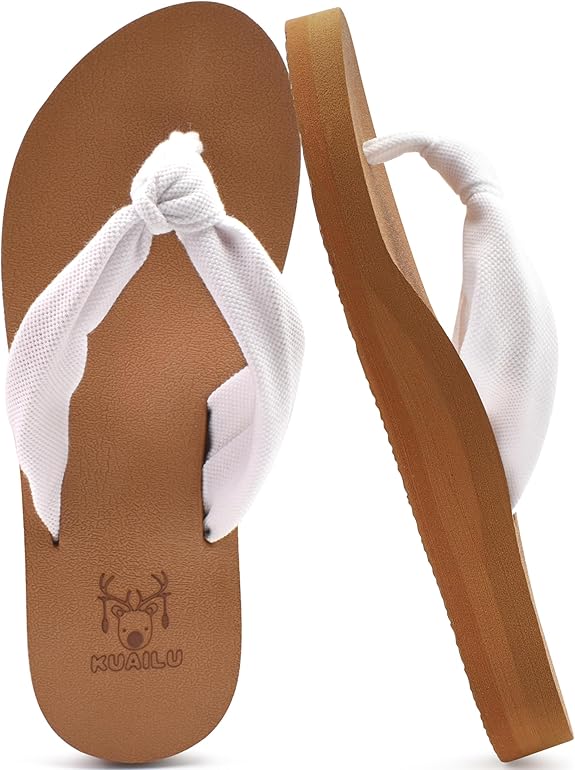
KuaiLu
Flip Flops with Arch Support
Cushioned, lightweight sandals with supportive arch design—a practical choice for beach trips, errands, and long summer walks.
Shop the sandals
baleaf
Athletic One-Piece Swimsuit
A functional one-piece with adjustable straps and moderate coverage, designed for swimming, training, surfing, and active beach days.
Shop the swimsuit
Astylish
Linen-Cotton Button-Down Shirt
A relaxed cotton-linen shirt with a collared V-neck and roll-up sleeves—easy to style over swimwear or with denim and shorts.
Shop the shirt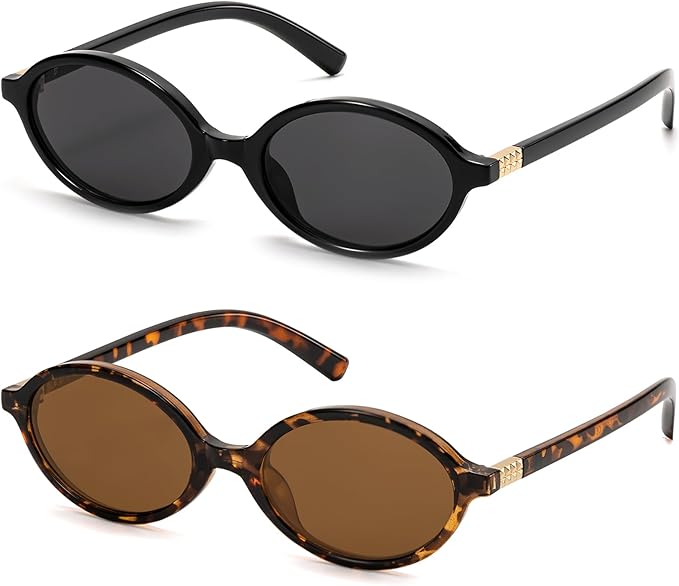
ViewJoy
Retro Oval Sunglasses
Small oval sunglasses with a 90s-inspired silhouette and UV400 lens protection—a quick way to add a vintage edge to everyday looks.
Shop the sunglasses
Affiliate disclosure: This section contains affiliate links. If you make a purchase through these links, I may earn a commission at no additional cost to you. Product selection, pricing, availability, and delivery terms may change—please review the current details on Amazon before purchasing.
As an Amazon Associate I earn from qualifying purchases.