Winter Work Outfits: Chic, Warm Office Looks for 9–5
Stylish Winter Work Outfits: Stay Warm, Polished, and Office-Ready
Winter work outfits can feel like a constant balancing act: you want to stay warm on your commute, look polished in meetings, and still feel comfortable sitting at your desk all day. When temperatures drop, it is easy to default to bulky layers or casual sweaters that do not quite feel professional. With a thoughtful approach to fabrics, layering, and outfit formulas, you can build a cold-weather work wardrobe that is functional, flattering, and aligned with your office dress code.
Looking for a complete guide? Read our Winter Outfit Ideas Guide.
This guide breaks down practical strategies for building winter work outfits for different office environments, from formal business attire to smart casual and hybrid work. You will find outfit formulas, layering ideas, and examples that make getting dressed easier on even the coldest mornings.
The Fashion-Note Edit
Five effortless pieces to refresh your everyday wardrobe
A polished, practical edit for workdays, weekends, and everything in between.

The Drop
Women’s Blake Long Blazer
A longline, tailored blazer with a notched collar and a single-button closure—an easy layer for denim, dresses, or office-ready looks.
Shop the blazer
Amazon Essentials
Women’s Lightweight Crewneck
A soft, lightweight sweater with a clean crew neckline—the kind of reliable layer that works from cool mornings to air-conditioned spaces.
Shop the sweater
Amazon Essentials
Women’s Loafer Flat
A classic flat loafer that gives casual outfits a more polished finish and pairs naturally with tailored pants, skirts, and straight-leg jeans.
Shop the loafers
Levi’s
Women’s 501 90s Jeans
A relaxed, vintage-inspired take on the iconic 501 silhouette—made for an easy, lived-in look without the thrift-store search.
Shop the jeans
Colorfulkoala
High-Waisted 7/8 Leggings with Pockets
Soft, four-way-stretch leggings with side pockets and a high-rise waistband—designed for movement, errands, and off-duty comfort.
Shop the leggings
Affiliate disclosure: This section contains affiliate links. If you make a purchase through these links, I may earn a commission at no additional cost to you. Product selection, pricing, availability, and delivery terms may change—please review the current details on Amazon before purchasing.
As an Amazon Associate I earn from qualifying purchases.
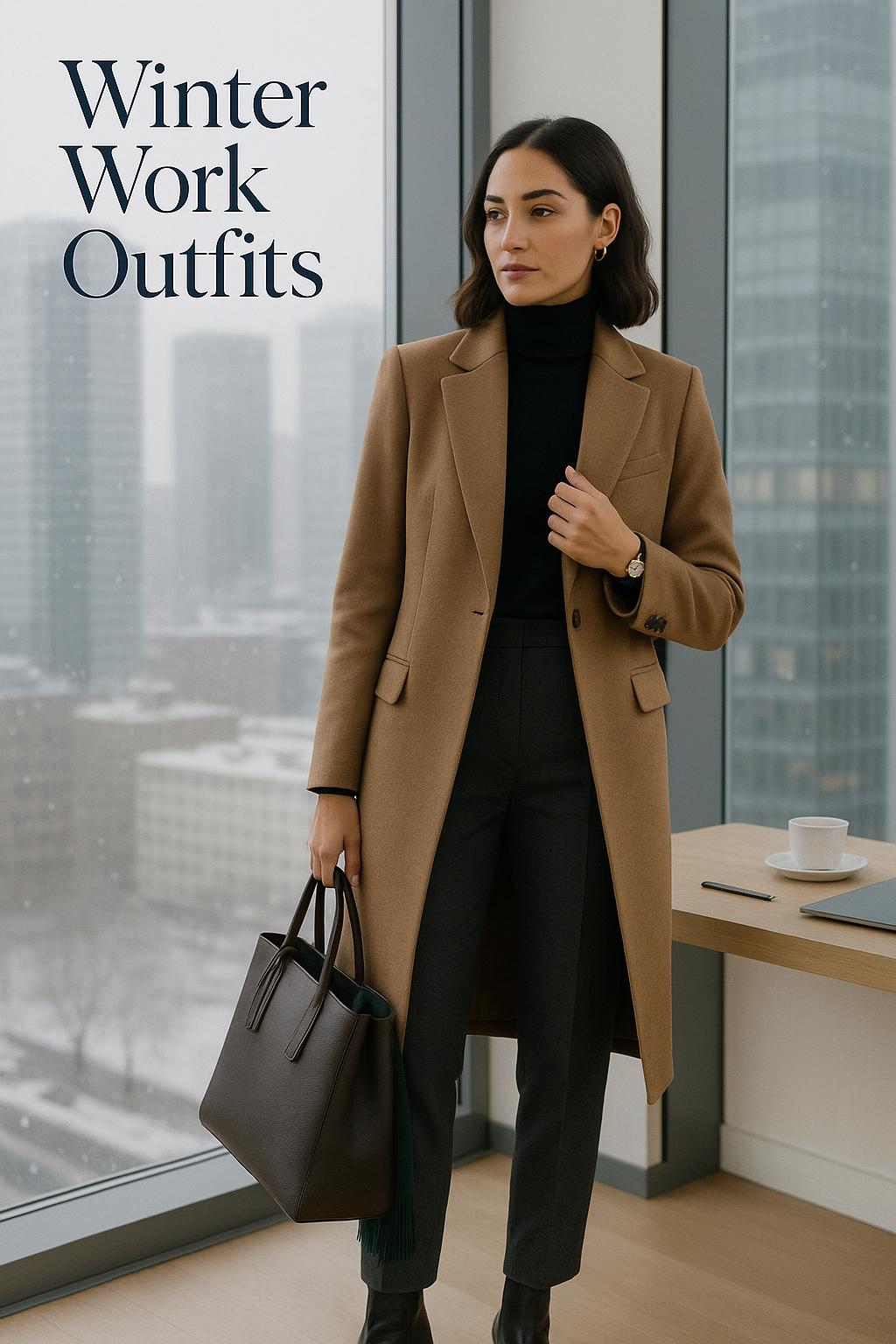
Key Principles for Building Winter Work Outfits
Prioritize Warm, Professional Fabrics
Fabric choice matters more in winter than in any other season. The goal is to pick materials that hold warmth, resist wrinkles, and still look refined enough for the office.
Your wedding style is personal.
Your plan should feel that way, too.
Zarellea keeps your guest list, budget, vendors, and every next step beautifully organized — so you can focus on the moments that feel like you.
- Wool and wool blends: Ideal for suiting, trousers, skirts, and outerwear. Look for lined wool trousers and blazers that drape well without bulk.
- Cashmere and merino: Perfect for lightweight yet warm sweaters, cardigans, and layering pieces that fit cleanly under blazers or coats.
- Heavyweight knits: Ribbed, cable, and fine-gauge knits add texture and insulation while remaining office-appropriate when paired with tailored pieces.
- Structured cotton and twill: Good for shirts and work-appropriate pants, especially when combined with warmer layers.
- Thermal base layers: Thin, close-fitting tops and tights designed to sit invisibly under work clothes for warmth without adding visible bulk.
Whenever possible, choose lined garments for winter, especially skirts, dresses, and trousers, as lining prevents clinging, improves drape, and adds an extra barrier against the cold.
Use Smart Layering Without Bulk
Layering is the foundation of successful winter work outfits, but excessive bulk can look sloppy and limit movement. Focus on thin, warm layers that sit smoothly under tailored pieces.
- Start with a breathable base: A fitted long-sleeve tee, lightweight turtleneck, or thermal top.
- Add a mid-layer: A fine-gauge sweater, vest, or cardigan that provides visible polish.
- Finish with structure: A blazer, tailored coat, or structured jacket that defines your silhouette.
- Use tights: Opaque tights or thermal tights turn skirts and dresses into true winter options.
Think about layers you can remove easily if your office runs warm, while your base layer remains professional enough if you take off your sweater or jacket.
Maintain a Polished Silhouette
Cold weather often leads to oversized silhouettes, but workplace outfits should still look intentional and streamlined. Balance volume by pairing relaxed pieces with more tailored items.
- If you wear wide-leg trousers, pair them with a fitted turtleneck or slim sweater.
- If you choose an oversized blazer, keep your base layer sleek and tuck in your top.
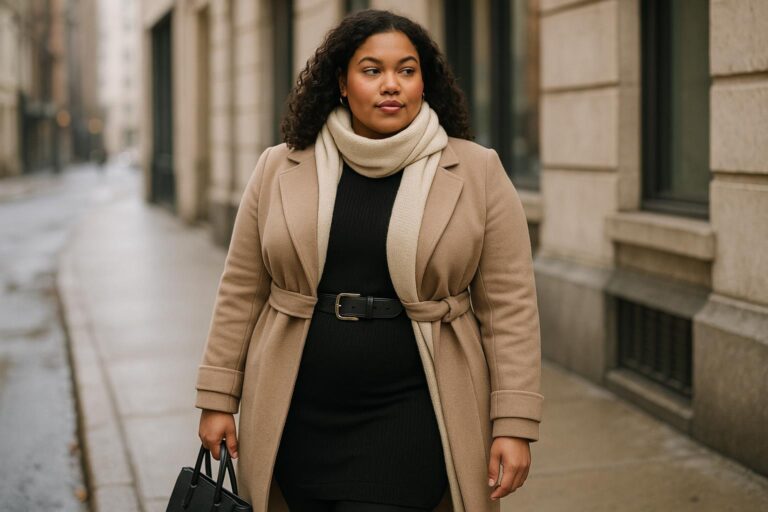
- Use belts over knit dresses or cardigans to create shape at the waist.
- Choose coats with some structure, such as wrap coats, double-breasted wool coats, or single-breasted tailored styles.
Polish also comes from small details: steamed fabrics, neat hems, coordinated accessories, and shoes that are clean and in good repair, even after exposure to snow or slush.
Winter Work Outfit Formulas for Different Dress Codes
Formal Business Winter Work Outfits
In formal or corporate environments, winter outfits should maintain a structured, professional look while quietly integrating warmer fabrics and layers. Focus on classic tailoring in seasonally appropriate materials.
For women, a strong winter work outfit formula might include lined wool trousers, a silk or cotton blouse, and a wool blazer. Add a fine-gauge cashmere sweater underneath the blazer on especially cold days. Knee-length wool pencil skirts with opaque tights and a turtleneck can also look refined when paired with a tailored coat and classic leather boots.
For men, winter business attire often revolves around wool suits in navy, charcoal, or dark patterns. Layer a thin merino sweater or vest under the suit jacket for added warmth, and choose dress shirts in slightly heavier cottons. Overcoats in wool or cashmere blends complete the look while keeping you warm on commutes between meetings.
Color palettes in formal settings tend to stay muted in winter: black, navy, charcoal, camel, and deep jewel tones. These shades look sophisticated and pair easily with existing work wardrobes.
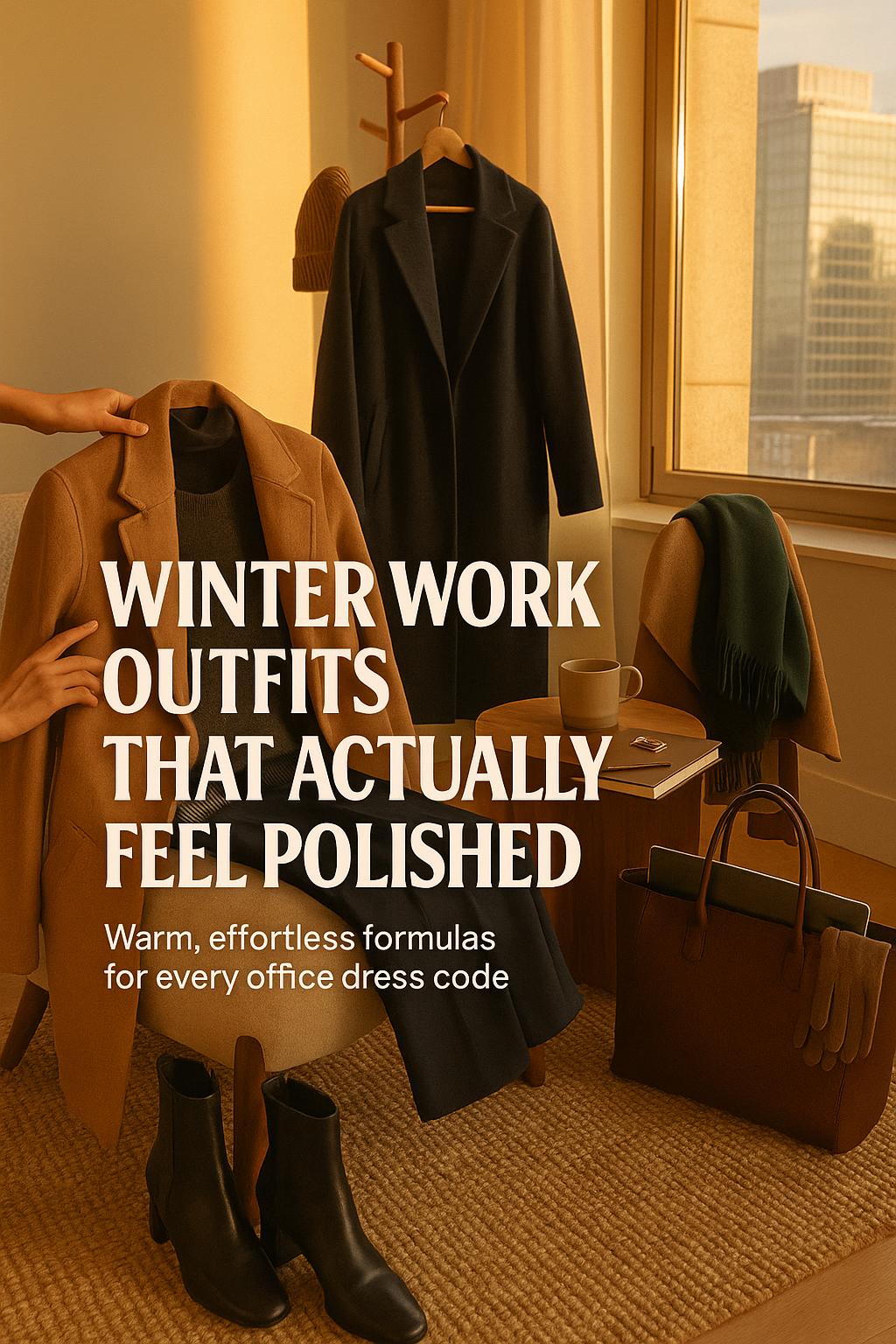
Business Casual Winter Work Outfits
Business casual offers more freedom to incorporate knits, boots, and textures into your winter work outfits, while still requiring a neat overall appearance. Here, structured knitwear and relaxed tailoring are the building blocks.
- Slim or straight-leg trousers with a turtleneck and blazer.
- Knee-length sweater dress with opaque tights and ankle boots.
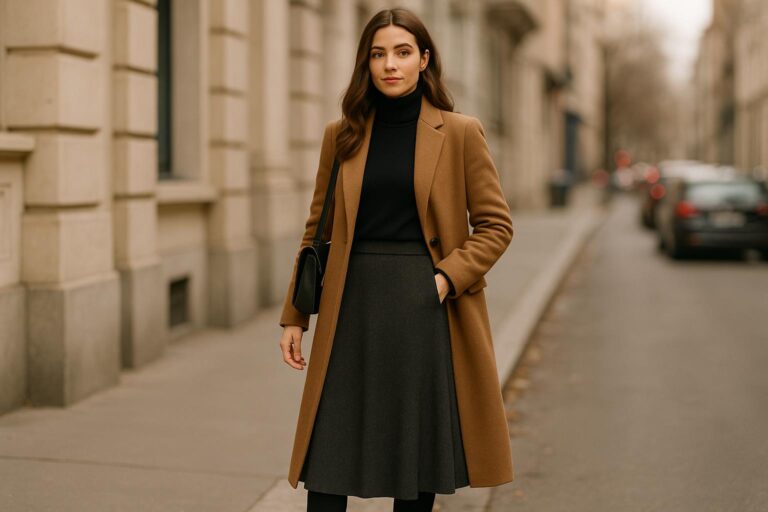
- Midi skirt with a tucked-in knit sweater and heeled boots.
- Dark denim (where allowed) with a blazer and polished loafers or boots.
Layering is where business casual shines: think of cardigans worn over button-down shirts, vests over lightweight sweaters, and textured blazers over simple tops. As long as your base pieces are polished and cohesive, you can mix and match these components for an entire season of varied looks.
Casual and Creative Office Winter Work Outfits
In casual, creative, or startup environments, winter dressing often leans into comfort and personal style while still being put-together enough for collaborative spaces. Denim, relaxed knits, and practical footwear all have a place here, as long as the overall effect remains intentional.
You might build outfits around high-quality jeans, slim jogger-style trousers, or casual chinos. Pair them with chunky sweaters, half-zip knits, or relaxed turtlenecks. Add structured elements like a tailored wool coat, leather boots, or a smart crossbody or tote bag to elevate the ensemble and maintain a professional tone.
In these environments, winter is an opportunity to play with layered textures: wool coats over quilted liners, flannel overshirts over tees, or long cardigans over simple dresses. Just ensure that any visible layers are clean, intact, and aligned with what your workplace expects for meetings with clients or leadership.
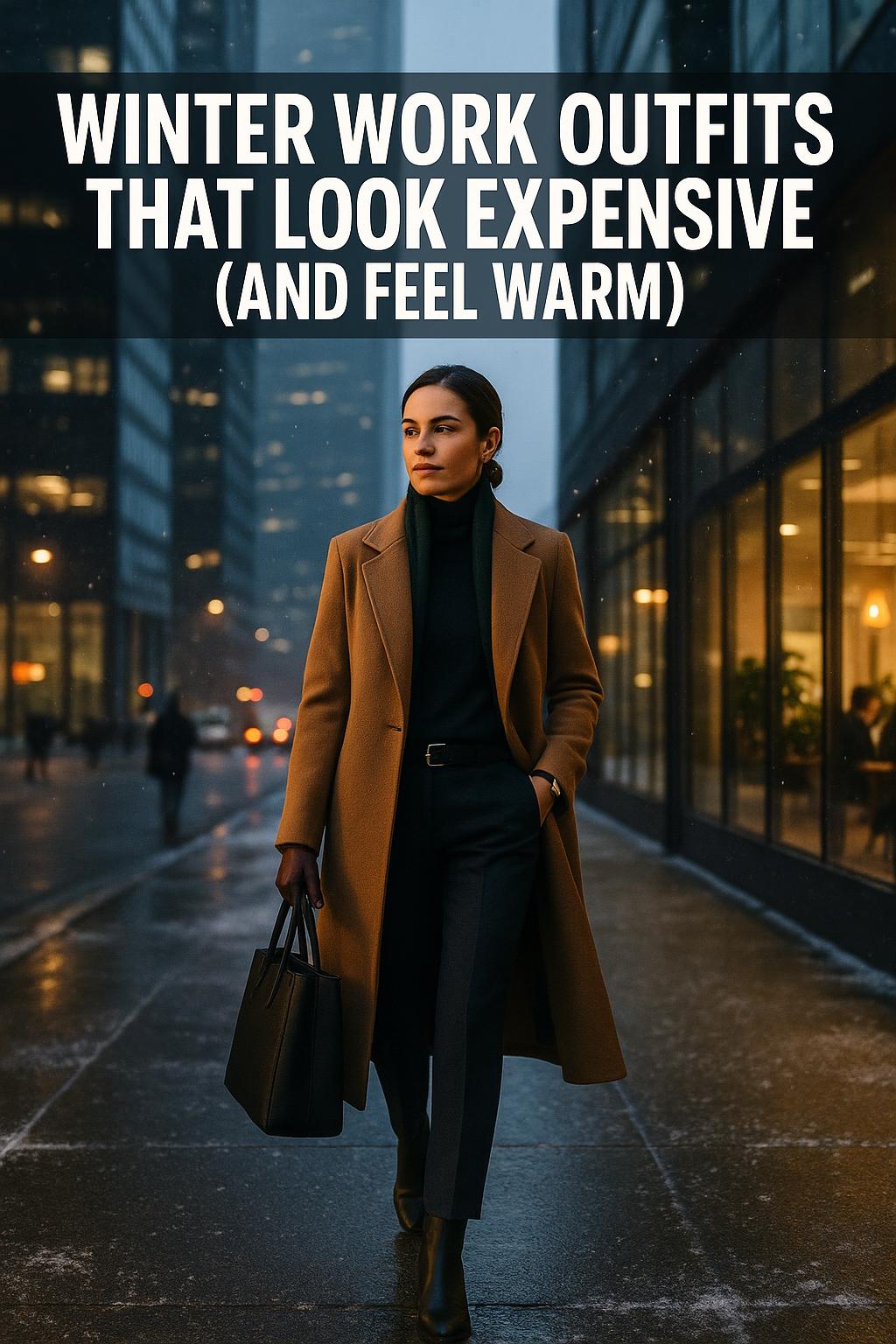
Essential Pieces for a Winter Work Wardrobe
Warm Trousers and Bottoms
Bottoms set the foundation for winter comfort. You will want a mix of office-appropriate trousers, skirts, and possibly dark denim, all adapted to colder weather.
- Lined wool trousers: A staple for formal and business casual offices that provides warmth and sharp lines.
- Structured ponte or knit pants: Offer stretch and comfort while holding their shape throughout the day.
- Midi and knee-length skirts: When paired with tights and boots, they transition easily to winter while still looking professional.
- Dark, non-distressed jeans: For business casual or casual offices, a dark wash with minimal detailing can stand in for trousers.
Look for slightly higher rises in winter trousers, as they allow tucking in base layers without adding bulk around your hips and waist. For skirts, prioritize heavier fabrics like wool blends or structured knits that resist clinging to tights.
Winter-Appropriate Work Dresses
Dresses can be surprisingly practical for winter work outfits when chosen thoughtfully. Sweater dresses, knit sheaths, and long-sleeve wrap styles work particularly well when combined with tights and boots.
- Sweater dresses: Opt for mid-weight knits that skim the body rather than cling tightly, ideally hitting at the knee or mid-calf.
- Knit sheath dresses: These maintain a tailored look while offering stretch and warmth.
- Long-sleeve wrap or faux-wrap dresses: Flattering on many body types and easy to layer under a blazer or long cardigan.
When wearing dresses in winter, plan your outer layer and footwear at the same time. Knee-high boots with opaque tights and a tailored coat often create a cohesive, warm look that works for many office settings.
Office-Ready Sweaters and Knits
Sweaters define winter style, but not all knits are appropriate for work. Choose cuts and details that look professional while still providing comfort and warmth.
- Fine-gauge crewneck sweaters: Versatile, layer easily under blazers, and look neat over button-down shirts.
- Turtlenecks: Slim-fitting styles work well with suits and under dresses or jumpsuits; chunkier versions pair with tailored pants and skirts.
- Knit polos or half-zips: Elevate casual outfits and look polished under structured outerwear.
- Cardigans: Mid-length or hip-length styles work best for the office; avoid overly long, slouchy versions in more formal offices.
Stick to neutral colors for your core sweater collection—black, navy, gray, cream, camel—and add one or two seasonal colors like burgundy, forest green, or deep blue for variety.
Blazers, Jackets, and Indoor Layers
Indoor layers are just as important as your coat in winter, especially if your office temperature fluctuates. Blazers and structured jackets add instant professionalism to otherwise simple winter work outfits.
- Classic tailored blazer: Works over blouses, knits, and dresses in both formal and business casual offices.
- Knit blazers or sweater jackets: Provide blazer structure with the comfort of a cardigan, good for business casual or hybrid offices.
- Lightweight quilted or liner jackets: In more casual offices, slim quilted jackets can be worn indoors as part of your outfit.
Ensure that your indoor layers fit comfortably over a base top but still slip easily under your winter coat when layered together on very cold days.
Winter Coats for the Office
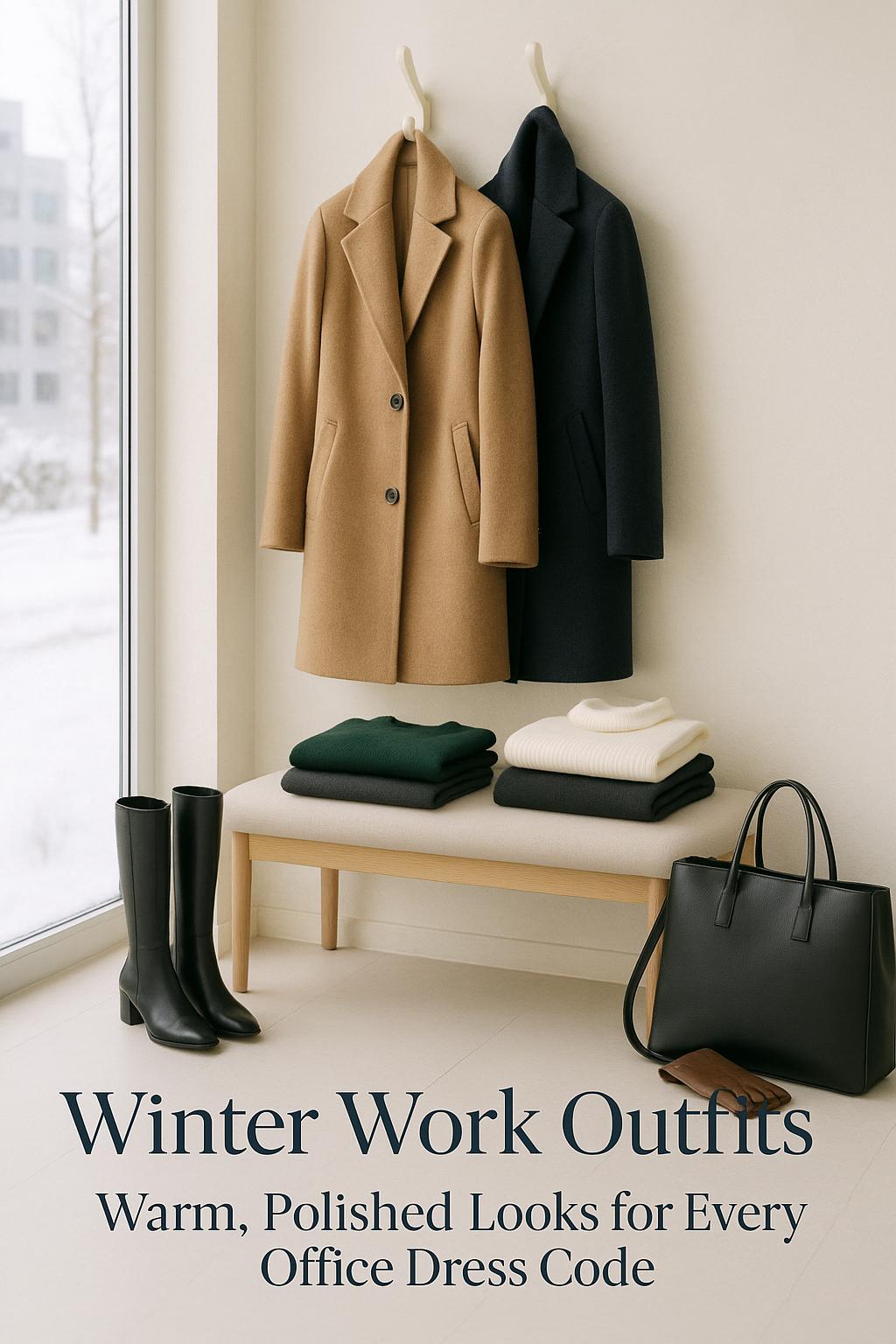
Your outerwear is often the first element coworkers and clients see, particularly in winter. A well-chosen coat can tie your winter work outfits together while keeping you warm between your home, car, and office.
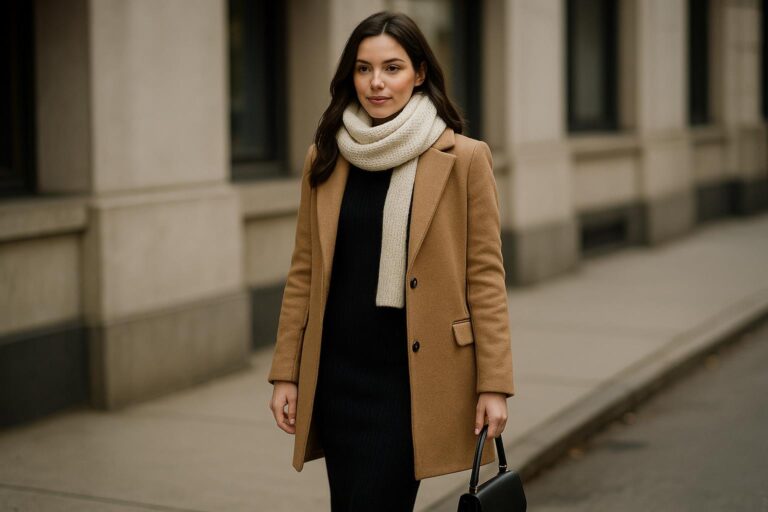
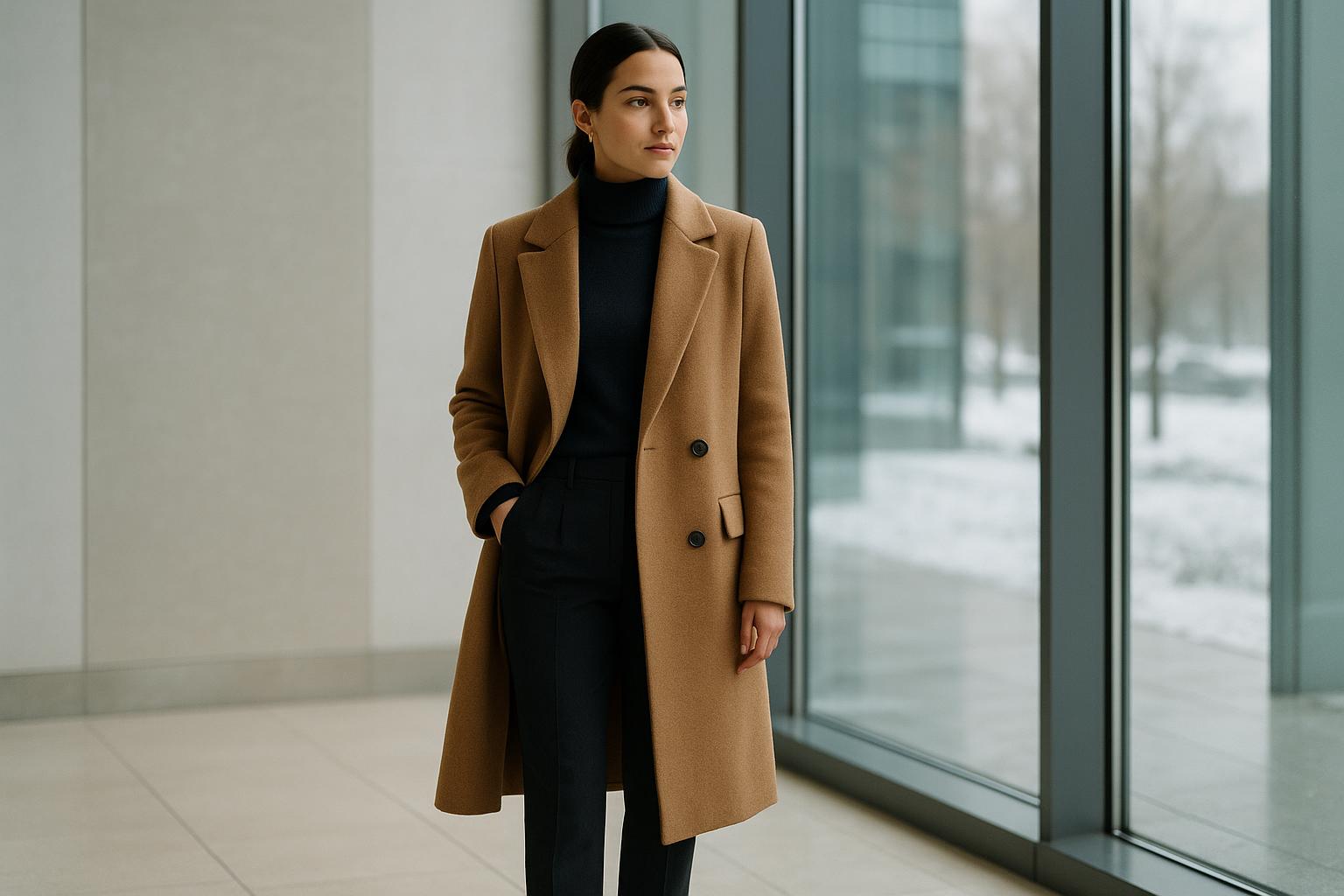
- Tailored wool coat: A single-breasted or wrap style in black, navy, camel, or gray coordinates with most work looks.
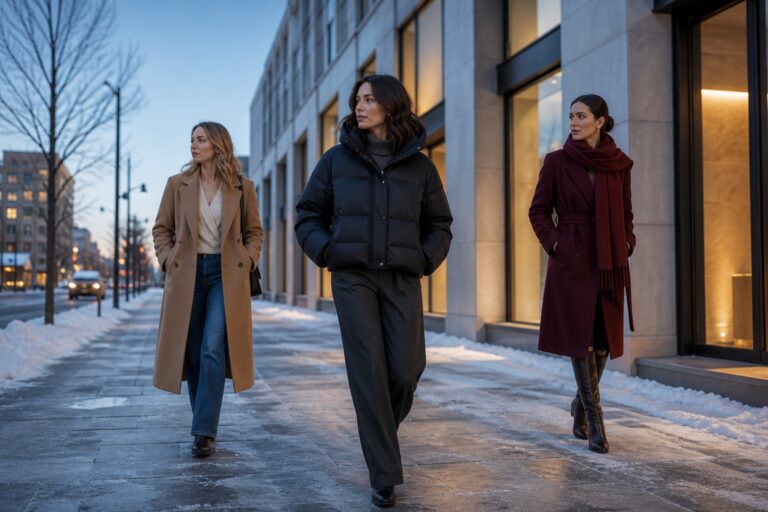
- Insulated or down coat: For extreme cold, choose a streamlined, dark-colored style that still looks neat over office attire.
- Dress coat length: Coats that hit around the knee tend to work best with both trousers and skirts or dresses.
When trying on coats, wear typical winter layers underneath to ensure you have full range of motion without straining seams or feeling compressed in the shoulders.
Footwear and Accessories for Winter Work Outfits
Office-Appropriate Winter Shoes and Boots
Footwear must straddle practicality and professionalism in winter. You need enough traction and warmth for icy sidewalks while preserving a polished appearance once you reach your desk.
- Ankle boots: Low to mid-heel ankle boots in leather or suede are easy to pair with trousers, jeans, and skirts.
- Knee-high boots: Ideal with dresses and skirts; look for clean, minimal designs without heavy hardware.
- Weatherproof loafers or oxfords: Great for offices with stricter dress codes when sidewalks are cleared but temperatures are low.
- Commute shoes: In severe weather, keep a pair of truly weatherproof boots for commuting and change into office shoes once indoors.
Choose dark, versatile colors such as black, brown, or taupe, and consider rubber or grippy soles for icy conditions. Keep shoes conditioned and cleaned to avoid salt stains and worn finishes detracting from your overall look.
Scarves, Hats, and Gloves That Still Look Professional
Cold-weather accessories are essential in many climates, but overly casual pieces can clash with work outfits. Opt for streamlined, coordinated accessories that complement your coat and work bag.
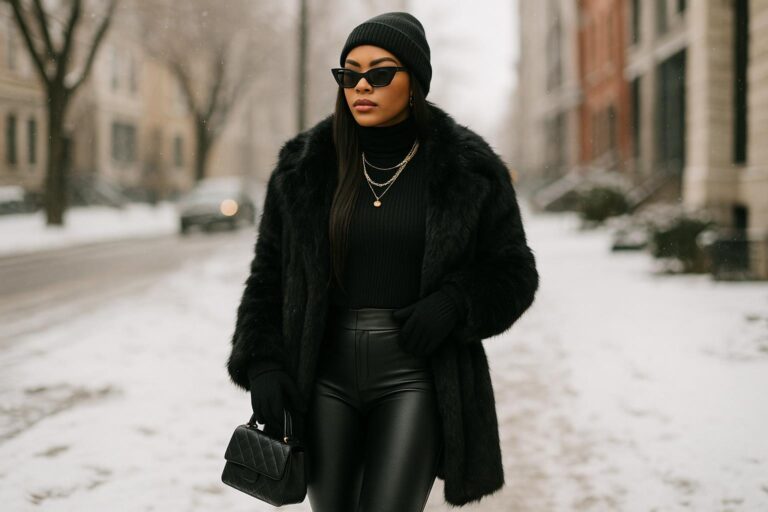
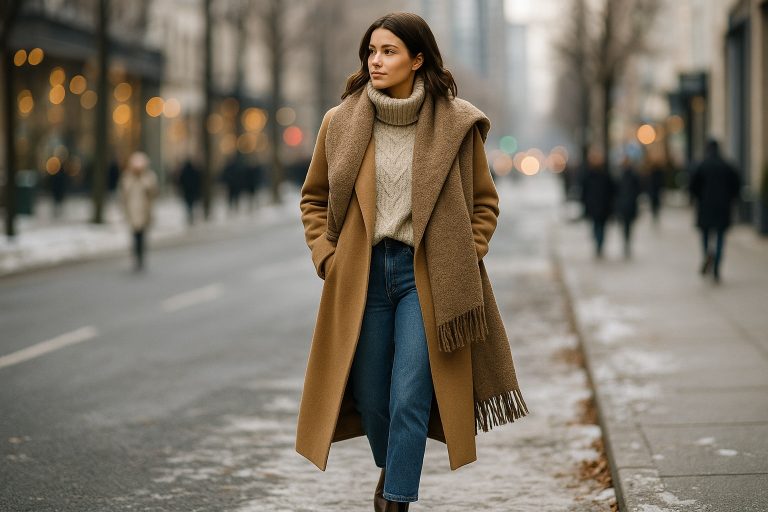
- Scarves: Wool or cashmere scarves in solid colors or subtle patterns that can drape neatly over or under your coat.
- Gloves: Leather or knit gloves that allow you to use your phone while commuting and look polished when holding a work bag.
- Hats: Simple beanies or structured wool hats in neutral tones; avoid overly chunky or novelty styles for office days.
Matching or coordinating your scarf, gloves, and hat with your coat and footwear creates a cohesive look that feels intentional rather than purely functional.
Outfit Ideas for Specific Winter Work Scenarios
Client Meeting or Presentation Days
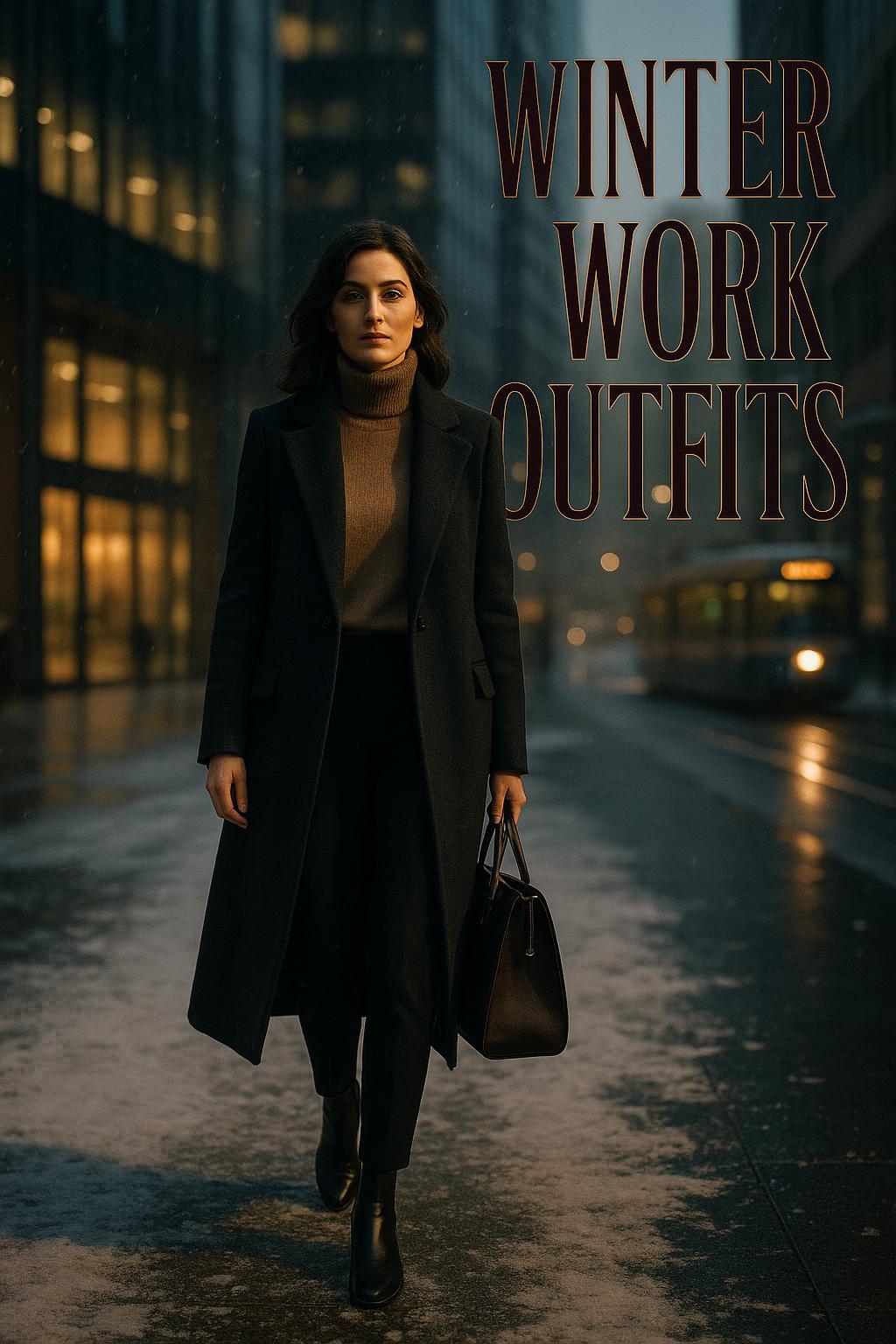
On days when you need to appear especially polished, lean on structured pieces and timeless colors, with subtle winter adaptations for warmth. A well-fitted suit in wool or a wool-blend fabric is ideal, layered over a thin turtleneck or crisp shirt. Add a simple belt, sleek ankle boots or dress shoes, and a classic wool coat in a coordinating tone. A neutral scarf can be added for the commute and removed in the office for a cleaner look.
If your office is business casual, a monochrome or tonal outfit can project similar authority without a full suit. For example, pair charcoal wool trousers with a slightly lighter gray turtleneck and a dark gray blazer, then add black ankle boots and a structured coat. The uniformity of tone keeps the look elevated while the fabrics handle the cold.
Everyday Desk and Office Days
For typical days filled with desk work, internal meetings, and short walks outside, prioritize comfort without sacrificing neatness. Straight-leg or slim trousers with a fine-gauge knit, topped with a cardigan or casual blazer, is a versatile formula. You can easily adjust your layers as the temperature changes throughout the day.
For more casual offices, dark jeans, a turtleneck, and an unstructured blazer or knit jacket paired with ankle boots creates a simple, repeatable uniform. You might vary the color of your sweater or blazer while keeping the basic shape consistent, which simplifies morning decisions but still appears deliberate.
Hybrid Office and Work-From-Home Days
On hybrid days, you may need outfits that transition from home to the office or video calls to in-person meetings. Aim for polished comfort: think knit pants or ponte leggings styled with a long sweater and a sharp blazer or cardigan that you can quickly throw on when needed.
Because only the top half of your outfit might be visible on video, give extra attention to your upper layers—a clean sweater, refined turtleneck, or crisp shirt layered under a blazer. When you do head into the office, a tailored coat and polished shoes or boots instantly elevate more comfortable base pieces, making them appropriate for in-person interactions.
Tips for Making Winter Work Outfits Easier
Build a Capsule of Mix-and-Match Pieces
A compact set of well-chosen pieces can produce many winter work outfits without requiring constant shopping or complicated styling. Focus on a consistent color palette and versatile silhouettes, then rotate items to create variety.
- Select 2–3 pairs of work trousers in neutral shades.
- Choose 3–5 sweaters in complementary colors and weights.
- Add 1–2 dresses or skirts appropriate for cold weather.
- Include 1–2 blazers or structured indoor jackets.
- Round out the capsule with a tailored coat and 1–2 pairs of office-appropriate boots or shoes.
Limiting the color story to a harmonious range—such as black, gray, navy, cream, and one accent color—ensures that most pieces can be combined without clashing, making outfit planning much quicker.
Prep Outfits in Advance
Winter mornings are often rushed, and last-minute outfit decisions can lead to mismatched layers or impractical choices for the weather. Setting aside a short block of time each week to plan and, if possible, pre-style 3–5 outfits dramatically reduces stress.
Consider checking the forecast, setting aside coordinated outfits on hangers, and ensuring that all necessary components—tights, camisoles, base layers, and appropriate shoes—are clean and accessible. This simple routine keeps your winter work outfits consistent and thought-through even on the darkest mornings.
Caring for Winter Work Clothes
Winter fabrics often require slightly more care, but proper maintenance extends the life and appearance of your work wardrobe. Use a steamer or iron to smooth wool and knits before wearing, and consider a fabric shaver to remove pilling on sweaters and coats. Rotate shoes and boots to allow them to dry fully between wears, and wipe away salt or moisture after commuting.
Store scarves, hats, and gloves in a designated spot so you can quickly grab coordinated sets. For wool coats and tailored pieces, occasional professional cleaning and seasonal storage with protection from moths or dust will keep them looking sharp year after year.
FAQ
What should I wear to work in winter to stay warm but still look professional?
Combine a thin, warm base layer with tailored pieces to balance warmth and professionalism, such as a fitted thermal or turtleneck under a blouse or sweater, wool or lined trousers or a knit dress with opaque tights, a structured blazer or cardigan as an indoor layer, and a tailored wool or insulated coat plus office-appropriate boots or shoes for your commute.
Can I wear boots with work outfits in winter?
Yes, boots can be very appropriate for winter work outfits when you choose polished styles such as leather or suede ankle boots or simple knee-high boots, avoid heavy hardware or overly chunky soles for more formal offices, pair them with trousers that either skim the top of the boot or cover it slightly, or with skirts and dresses and opaque tights, and keep them clean and conditioned so weather exposure does not lower the overall look of your outfit.
How can I wear dresses to the office in cold weather?
Choose winter-appropriate dresses like sweater dresses, knit sheaths, or long-sleeve wrap styles, and wear them with opaque or thermal tights and boots, layer a blazer, cardigan, or longline jacket on top for warmth and structure, and finish with a knee-length or longer coat so your dress hem and legs stay better protected during your commute.
What kind of coat works best with office outfits in winter?
A tailored wool coat that hits around the knee is the most versatile option for office wear, as it layers well over both trousers and dresses, looks polished with business or business casual outfits, and can be chosen in neutral colors like black, navy, gray, or camel that coordinate with most work wardrobes, while in very cold climates a streamlined insulated or down coat in a dark, simple design can serve a similar role.
How do I layer without looking bulky at work?
Use thin, warm fabrics for your base layers and mid-layers, such as thermal tops, fine-gauge knits, and slim turtlenecks, and keep your bulkiest layer as your outermost piece, like a structured blazer or coat, while tucking in tops where appropriate, choosing high-waisted bottoms for a clean line, and balancing volume by pairing looser pieces with more fitted items to maintain a streamlined silhouette.
Are chunky sweaters appropriate for the office in winter?
Chunky sweaters can be appropriate in business casual or casual offices if they are in good condition, styled with tailored pieces like structured trousers or a neat skirt, and balanced with refined shoes and accessories, but in more formal workplaces it is usually better to reserve very bulky knits for off-duty wear and opt instead for medium or fine-gauge sweaters that layer more easily under blazers and coats.
What colors work best for winter work outfits?
Neutral and deep tones tend to work best in winter work outfits because they are easy to mix and match and often look more formal, so shades like black, navy, charcoal, gray, cream, and camel create a solid foundation and can be complemented with a few accent colors such as burgundy, forest green, or deep blue to add interest without overwhelming professional outfits.
How can I make my existing work wardrobe more winter-friendly?
You can extend your current work wardrobe into winter by adding thermal base layers under blouses and shirts, incorporating opaque or thermal tights so you can keep wearing skirts and dresses, pairing existing trousers with warmer sweaters and cardigans, investing in a versatile coat and weather-appropriate footwear that match your work clothes, and choosing a few key winter fabrics like wool or merino knits to mix with pieces you already own.
What should I avoid wearing to work in winter?
It is best to avoid visibly worn or overly casual items like athletic hoodies, heavily distressed jeans, very bulky snow boots kept on all day, novelty sweaters, and outerwear that clashes with the formality of your office, as well as outfits composed only of oversized pieces with no structure, since they can look sloppy and make it harder to move comfortably at work.
Finish the look
The little extras that make a summer outfit feel complete
From beach days to city weekends, these easy pieces bring comfort, texture, and a polished finishing touch.

FENBEN
Straw Hobo Crossbody Bag
A handwoven straw bag with both short and crossbody straps—an effortless finishing touch for vacation looks and warm-weather outfits.
Shop the bag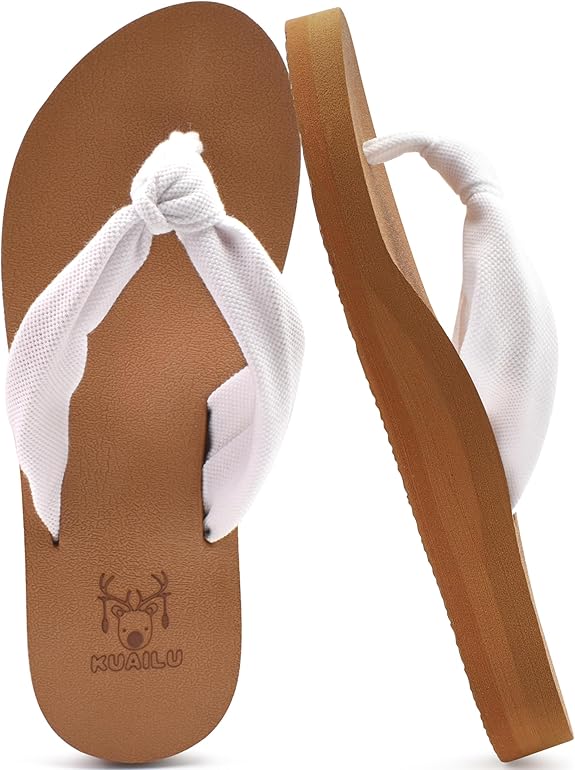
KuaiLu
Flip Flops with Arch Support
Cushioned, lightweight sandals with supportive arch design—a practical choice for beach trips, errands, and long summer walks.
Shop the sandals
baleaf
Athletic One-Piece Swimsuit
A functional one-piece with adjustable straps and moderate coverage, designed for swimming, training, surfing, and active beach days.
Shop the swimsuit
Astylish
Linen-Cotton Button-Down Shirt
A relaxed cotton-linen shirt with a collared V-neck and roll-up sleeves—easy to style over swimwear or with denim and shorts.
Shop the shirt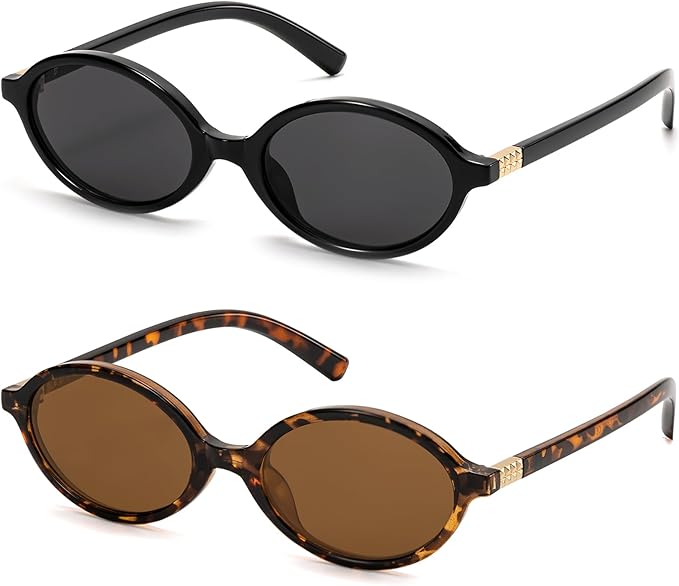
ViewJoy
Retro Oval Sunglasses
Small oval sunglasses with a 90s-inspired silhouette and UV400 lens protection—a quick way to add a vintage edge to everyday looks.
Shop the sunglasses
Affiliate disclosure: This section contains affiliate links. If you make a purchase through these links, I may earn a commission at no additional cost to you. Product selection, pricing, availability, and delivery terms may change—please review the current details on Amazon before purchasing.
As an Amazon Associate I earn from qualifying purchases.