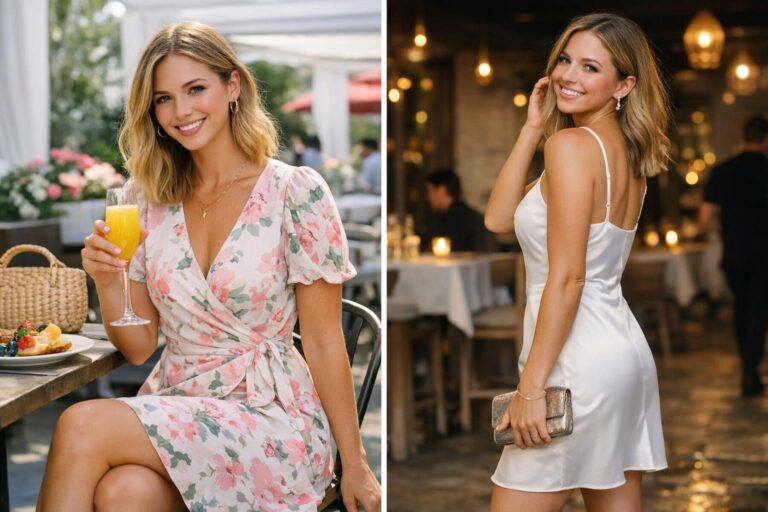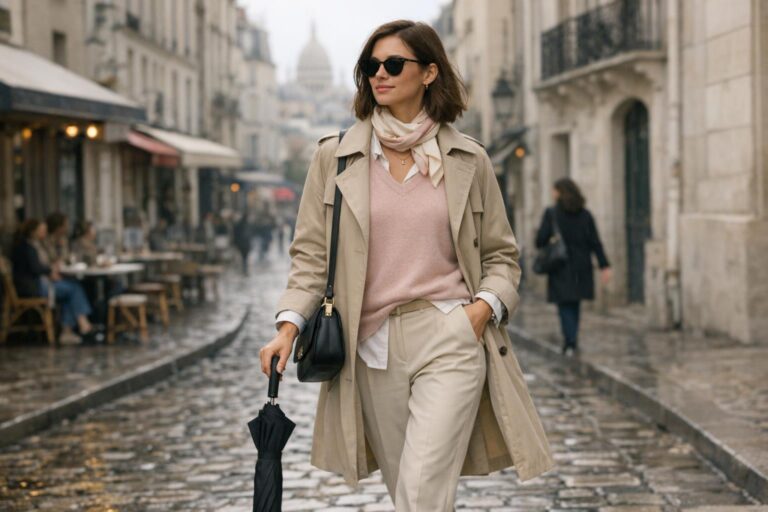
12 Spring Teacher Outfits: Polished, Comfortable Classroom Looks
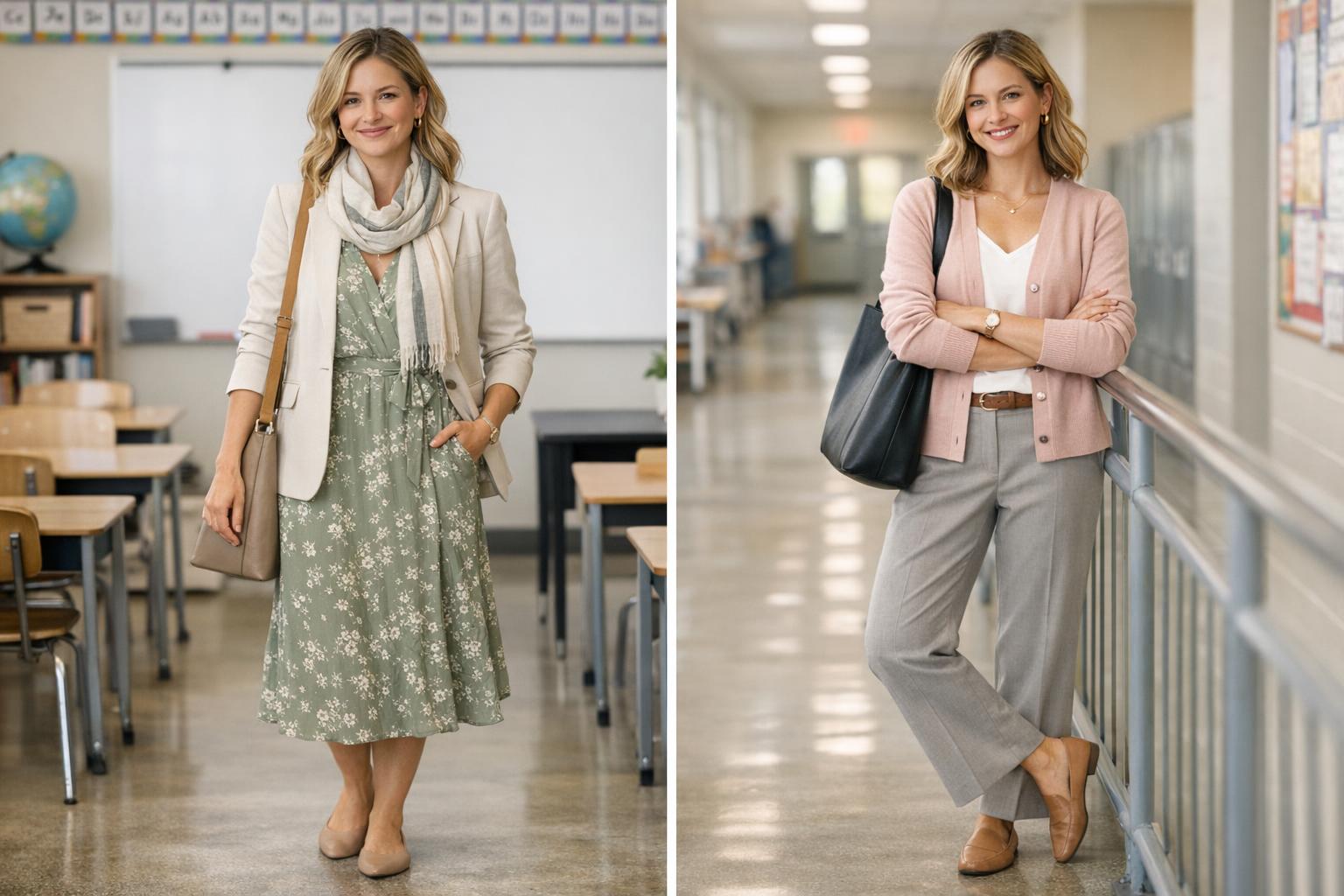
Spring Teacher Outfits: The Definitive 2026 Guide for Google US
Spring teacher outfits are all about hitting the sweet spot between comfort, movement, and a professional look that works from first period to dismissal duty. Spring brings temperature swings, unpredictable weather, and busy school calendars—so your wardrobe needs to be flexible, classroom-friendly, and easy to repeat in new combinations.
This guide is built for real teaching days: quick outfit formulas, a mix-and-match starter capsule, and a gallery of ready-to-wear spring outfits for teachers that can be dressed up for conferences or simplified for casual Fridays. You’ll also find practical tips on layering ideas for spring classroom outfits, fabric considerations for long days, and how to stay polished without sacrificing comfort.
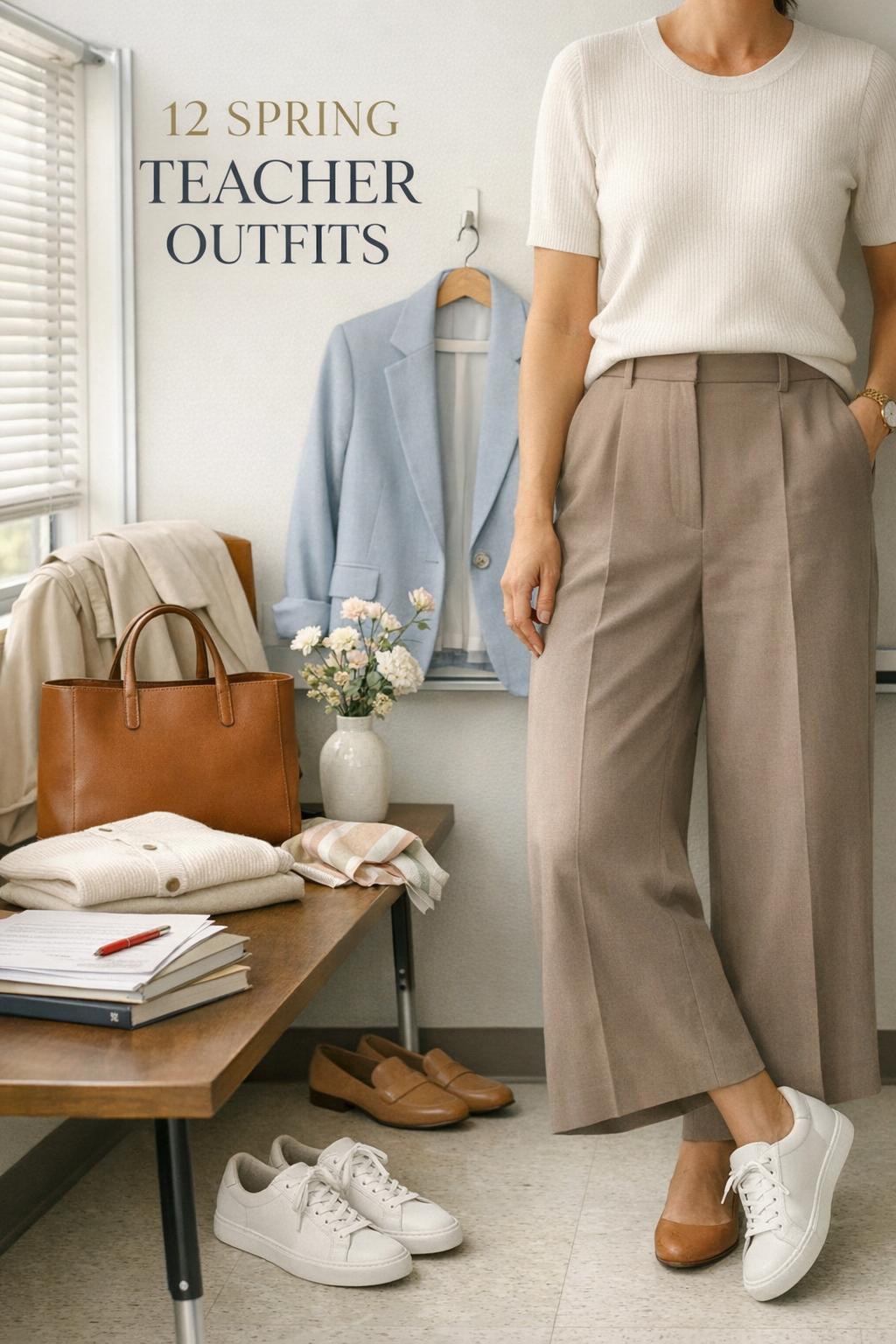
Why Spring Is the Perfect Time to Refresh Your Teacher Wardrobe
Seasonal temperature shifts and classroom conditions
Spring is rarely consistent. A chilly morning commute can turn into a warm afternoon, and classroom temperatures can vary just as much. The most reliable spring classroom fashion strategy is to plan outfits that layer well: light outerwear for outdoors, breathable bases for indoors, and pieces that still look professional when you remove a layer.
Balancing comfort, movement, and professionalism
Teaching involves standing, walking, bending, reaching, and being “on” all day. The best spring outfits for teachers are designed around movement: comfortable shoes, fabrics that don’t feel restrictive, and silhouettes that look polished without requiring constant adjusting. Spring is also an easy season to refresh your look with lighter color palettes and patterns (like florals and pastels) while staying within a professional dress standard.
Tip: If you’re unsure how professional an outfit reads, use a simple rule: keep at least one “structured” element (a blazer, tailored trousers, a button-down, or a structured tote). That single anchor piece often makes even a comfortable outfit feel intentional.
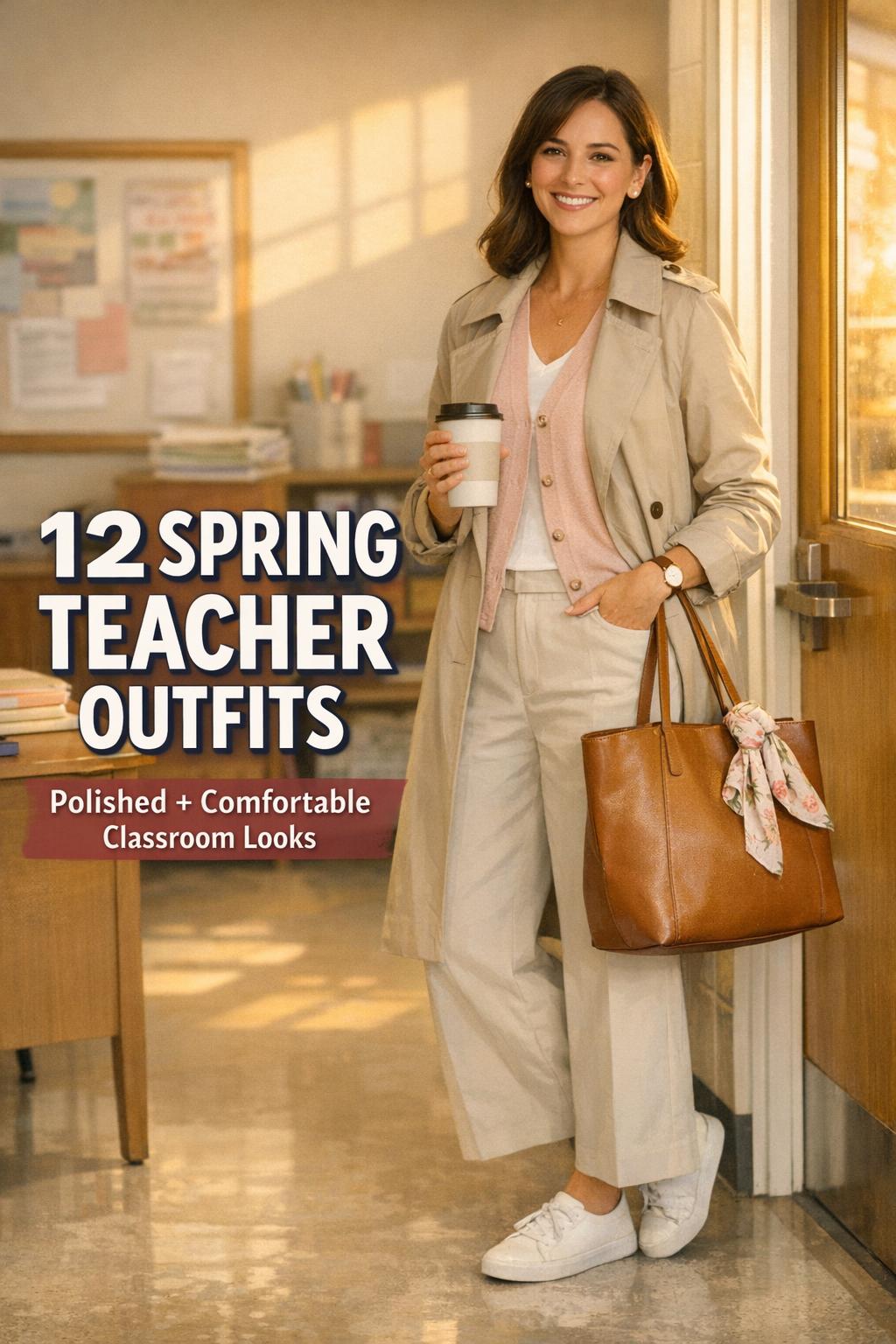
Starter Capsule: 12 Must-Have Pieces for Spring
A spring wardrobe for teachers works best when you can repeat a small set of reliable pieces and rotate how you style them. The capsule below is designed to mix and match into multiple teacher outfits spring after spring, with room for personality through color, patterns, and accessories.
- Lightweight blazer (your “instant polish” layer)
- Tailored trousers (a go-to for professional spring attire)
- Knee-length dress (easy one-and-done base)
- Cardigan (for classroom A/C and cool mornings)
- Layered tops (simple tees or shells for under layers)
- Comfortable flats (all-day friendly and professional)
- Sneakers (for casual days and lots of steps)
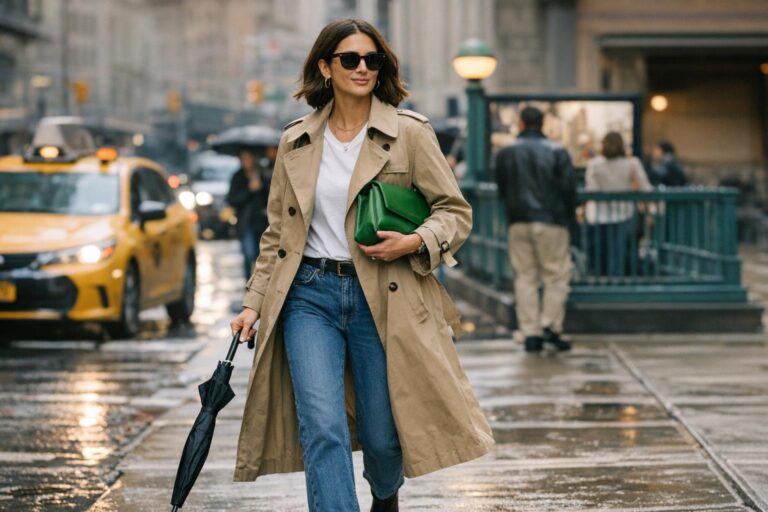
- Lightweight trench (weather-ready and classic)
- Pastel blouse (fresh color without being loud)
- Midi skirt (movement-friendly and versatile)
- Versatile scarf (adds polish and warmth without bulk)
- Structured tote (durable, organized, and professional)
How to make the capsule feel like “you”
This capsule is intentionally flexible. If your style leans classic, keep colors neutral and let a scarf or blouse add seasonal freshness. If you prefer playful spring fashion for educators, choose patterns (like florals) and lighter color stories while keeping the silhouettes classroom-appropriate. The goal isn’t to buy more—it’s to create more outfits from fewer pieces.
Tip: Build around two “base” colors you wear constantly (often neutrals) and then add one spring-forward family (pastels or a warm tone). That makes outfit building faster on busy mornings.
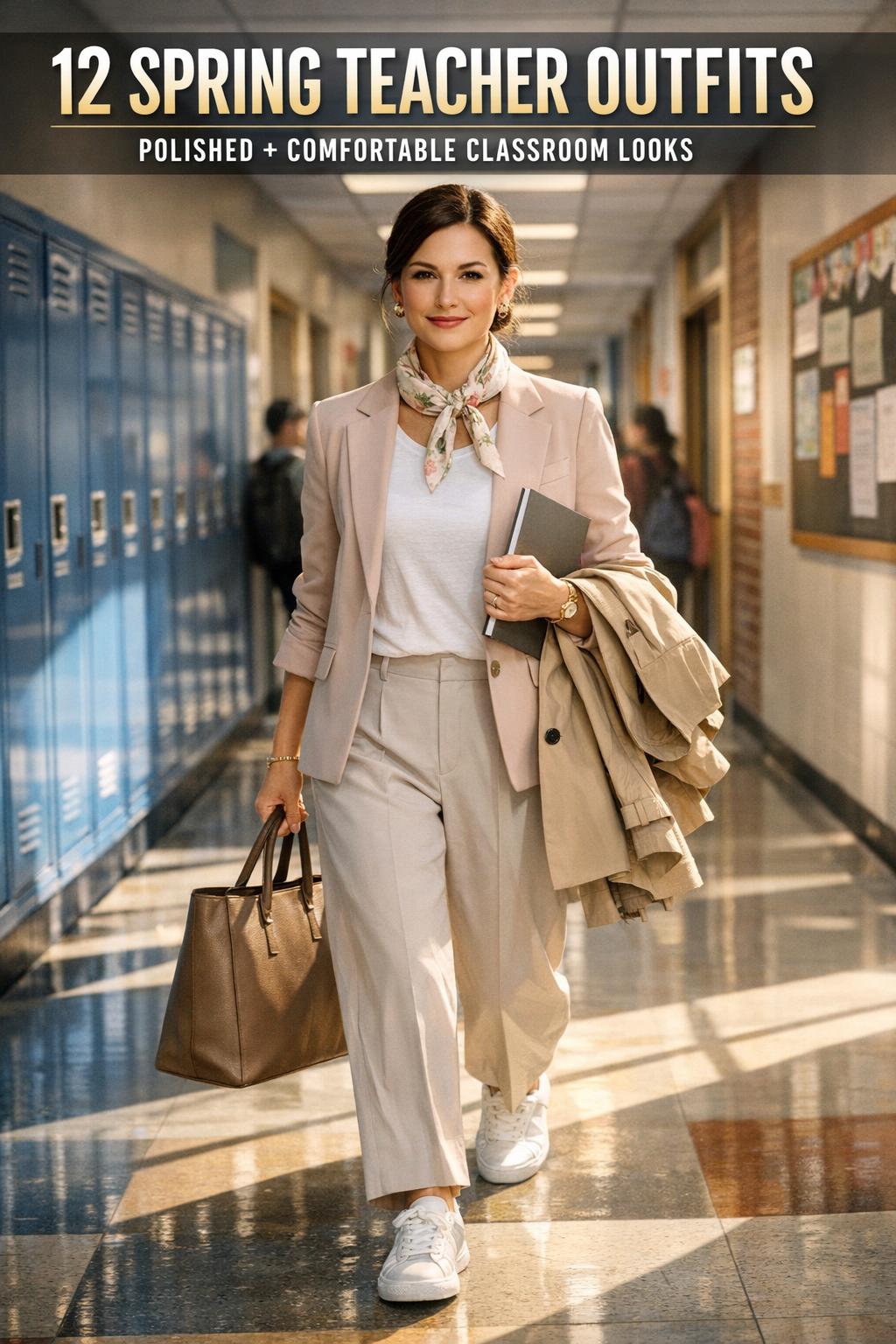
Outfit Gallery: 12 Ready-to-Wear Spring Looks for Teachers
Below are 12 spring teacher outfits you can use as templates. Each look is built to be comfortable for teaching, easy to layer, and appropriate for a range of school settings. Adjust the formality by swapping shoes, adding a blazer, or choosing a more structured bag.
Look 1 – Pastel Pencil Skirt + White Blouse + Blazer
This is a reliable professional spring outfit for teachers when you want to look especially polished (think observations, meetings, or parent-facing events). The pastel skirt keeps it seasonal, while the white blouse and blazer provide structure and balance.
Tips: Keep accessories minimalist so the pastel reads fresh and professional. If you’ll be moving a lot, choose a pencil skirt that allows comfortable steps and pair with flats or low-heel shoes.
Look 2 – Floral Midi Dress with Cardigan
Florals are a spring staple and a natural fit for spring classroom fashion when the dress length and neckline are school-appropriate. A cardigan makes it adaptable for cool mornings and chilly classrooms.
Tips: If you want the look to feel less “dressy,” use simple flats or clean sneakers on casual days. For a more professional tone, swap in a structured tote and add a lightweight blazer instead of a cardigan.
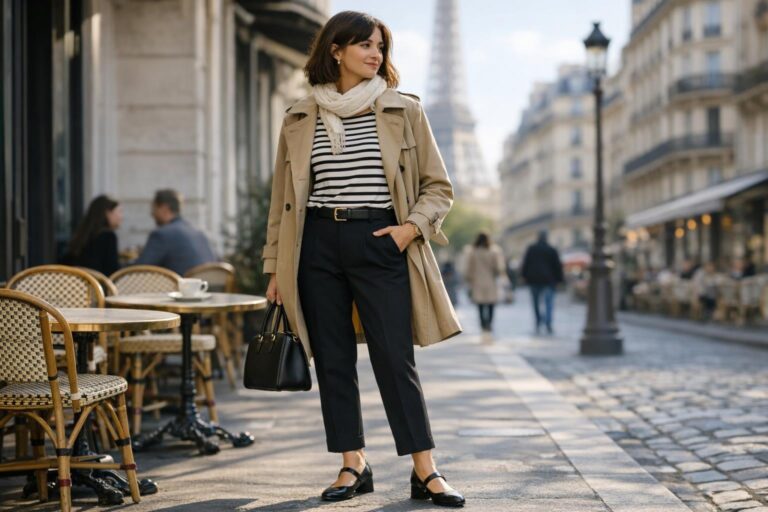
Look 3 – Wide-Leg Trousers + Blouse + Light Trench
Wide-leg trousers are classroom-friendly because they’re comfortable, allow movement, and still look intentional. The light trench is ideal for unpredictable spring weather and gives the outfit a classic finish for hall duty or outdoor dismissal.
Tip: Keep the blouse simple if the trousers are statement-making, or choose a pastel blouse to brighten the outfit without sacrificing professionalism.
Look 4 – Denim Jacket + Printed Top + Dress Pants
This is one of the easiest comfortable spring outfits for teaching because it’s relaxed but still classroom-appropriate. Dress pants keep the look grounded on the professional side, while the denim jacket adds a casual, spring-ready layer.
Tips: If your day includes a meeting, swap the denim jacket for a lightweight blazer without changing anything else. If your school leans more casual, sneakers can work here while still looking put-together.
Look 5 – Mustard Trousers + Neutral Knit
Mustard trousers are an easy way to add color while staying professional. Pairing them with a neutral knit keeps the palette balanced and makes the outfit feel calm and teacher-appropriate rather than trendy for trend’s sake.
Tip: Use a versatile scarf if you want to add dimension without adding another heavy layer—especially helpful when temperatures change throughout the day.
Look 6 – White Jeans + Lightweight Knit + Soft Blazer
White jeans can look crisp and spring-forward when styled intentionally. A lightweight knit keeps things comfortable, while a soft blazer adds professional structure. This is a strong template for teacher outfits spring days that start casual but include a meeting or after-school event.
Tips: Keep the rest of the outfit streamlined (simple shoes and bag) so the white jeans feel polished. If your setting is more formal, swap white jeans for tailored trousers using the same top layers.
Look 7 – Pleated Midi Skirt + Button-Down + Cardigan
This outfit combines structure and movement: the button-down reads professional, while the pleated midi skirt offers comfort and flexibility for classroom activities. The cardigan is the practical layer that makes it adaptable to school building temperatures.
Tip: If you prefer a cleaner silhouette, choose a cardigan that isn’t overly bulky. If you want extra polish, switch the cardigan to a lightweight blazer for the same base outfit.
Look 8 – Chambray Dress + Linen Vest
A chambray dress is a reliable spring base that feels easy but still appropriate. Adding a linen vest gives a “layered but light” feel—useful when you want something different from a cardigan while still keeping a classroom-friendly look.
Tips: This look can shift from casual to more professional quickly by changing footwear and adding a structured tote. If you anticipate a cooler day, swap the vest for a cardigan.
Look 9 – Monochrome Linen Suit (for dressier days)
For days when you need to look especially sharp, a monochrome linen suit creates a modern, breezy kind of professionalism. It’s a strong option for conference days, presentations, or school events where you want a confident look that still feels spring-appropriate.
Tip: Keep your under-layer simple and comfortable (a basic layered top works well). If you’re moving constantly, choose the most comfortable shoe option that still reads professional.
Look 10 – Tunic Top + Leggings + Long Cardigan
This is an all-day comfort formula that still fits a classroom-friendly standard when the tunic length and overall fit are appropriate. The long cardigan adds polish and creates a layered line that can look intentional rather than overly casual.
Tips: Choose a structured tote and clean, minimal footwear to keep the outfit professional. If your day includes a parent-facing moment, add a lightweight blazer instead of the cardigan.
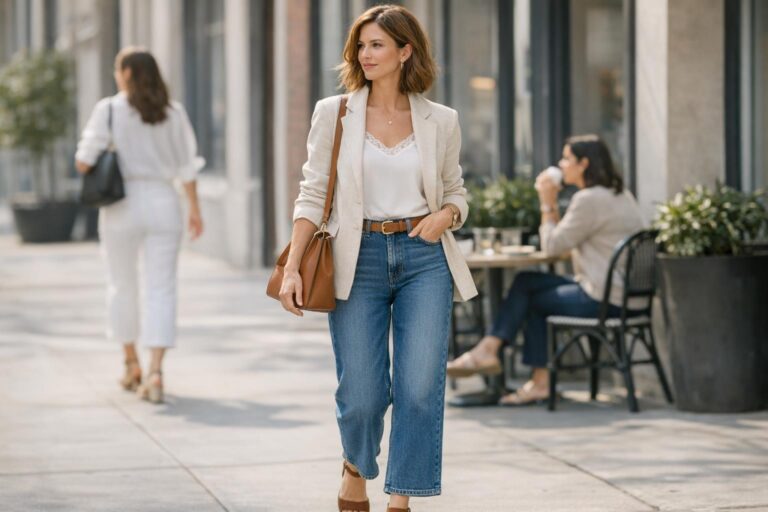
Look 11 – Houndstooth Blazer + Jeans
A patterned blazer like houndstooth is a strong “shortcut” piece: it makes simple basics look styled. Pair it with jeans for an outfit that fits many casual school environments while still reading polished.
Tip: When you wear jeans, let the blazer do the work. Keep the rest of the outfit clean and simple so it stays professional and classroom-appropriate.
Look 12 – Wrap Dress + Ballet Flats
A wrap dress is a dependable choice when you want a flattering, comfortable, and professional look with minimal effort. Ballet flats keep it practical for standing and walking throughout the day.
Tip: Add a cardigan for classroom temperature changes or a lightweight blazer for a more formal spring outfit for teachers—same dress, different mood.
Practical Styling Tips for Real-Classroom Days
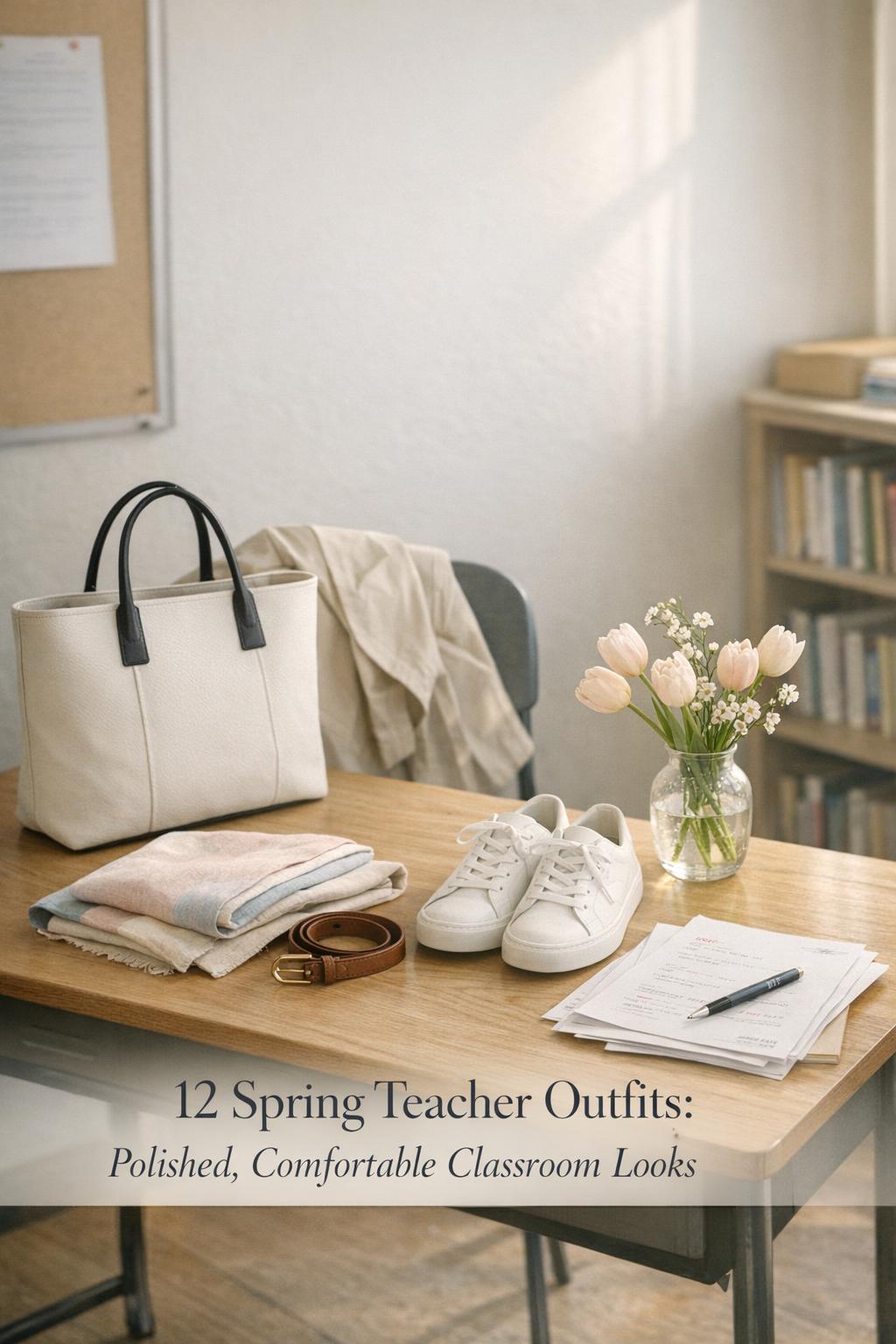
Layering techniques to adapt to temperature shifts
Layering is the backbone of successful spring teacher outfits. The goal is to create an outfit that looks complete both with and without the top layer. That way, when your day shifts from chilly outdoors to a warm classroom, you can adjust without looking unfinished.
- Start with a breathable base: a blouse or layered top that looks professional on its own.
- Add a flexible mid-layer: cardigan, soft blazer, or lightweight knit.
- Use a weather layer when needed: lightweight trench for outdoor duties and variable spring days.
- Make sure each “version” of the outfit works: base-only, base + layer, and full outerwear.
Tip: If you’re only going to bring one extra layer to school, choose the one that looks most polished (often a blazer or structured cardigan). It will elevate the widest range of outfits.
Fabric choices that stay comfortable during long days
Spring outfits for teachers work best when fabrics feel comfortable from morning to afternoon. Since teaching days involve constant motion, prioritize materials that feel breathable and easy to wear, especially for base layers you keep on all day.
Tip: When you’re choosing between two versions of the same item (like a blouse or trousers), pick the one that feels better when you move—sit, reach, and walk in it. Comfort is not a luxury in a classroom; it’s a practicality.
Color palettes that read as professional and fresh
Spring color stories can look professional without feeling dull. Pastels, soft neutrals, and classic combinations help your outfit feel seasonal while staying classroom-appropriate. Florals and patterns also work well when balanced with structured basics like a blazer, tailored trousers, or a simple cardigan.
Tip: If you want to try pastel spring outfits for teachers but don’t want the color to feel overwhelming, use pastel as one piece (like a blouse or skirt) and keep the rest neutral.
Footwear, Accessories, and Bags That Work All Day
Comfort-focused footwear (flats, loafers, low-heel)
Teacher footwear in spring needs to handle long hours and lots of steps. The most dependable options are those that keep you comfortable while still looking professional: flats, loafers, low heels, and classroom-friendly sneakers for casual days.
Tip: If you’re building a small shoe rotation, aim for two “professional comfort” pairs (like flats and loafers) and one casual pair (like sneakers) that still looks clean and intentional.
Minimalist accessories for a polished look
Accessories can make spring classroom outfits feel finished without adding fuss. A versatile scarf, simple jewelry, and a structured tote can elevate even the most comfortable outfit formulas. On days with parent-facing events, these small details help your look feel more formal without needing a totally different wardrobe.
Bag choices for teachers (size, durability, organization)
A structured tote is a staple in a spring wardrobe for teachers because it supports daily needs: papers, devices, classroom materials, and personal items. Durability and organization matter as much as style, especially when your bag becomes part of your day-to-day professional uniform.
Tip: If you’re choosing between bags, prioritize the one that helps you stay organized. A polished look is easier to maintain when you’re not rummaging for essentials between classes.
Budget-Smart Spring Outfits
Affordable teacher fashion doesn’t have to look or feel “cheap.” Budget-smart planning is about buying fewer pieces that combine into many outfits and choosing items that can flex between casual and professional days. A small capsule can create a surprising number of comfortable spring outfits for teachers, especially when you rotate layers and accessories.
Capsule budgets across three tiers
Instead of thinking outfit-by-outfit, think capsule-by-capsule. These tiers help you plan based on what you realistically want to spend, while keeping your results consistent and classroom-appropriate.
- Under $100 focus: add one versatile layer (cardigan or lightweight blazer) and one fresh spring top (like a pastel blouse) to refresh what you already own.
- $100–$300 focus: build a mini-capsule with one structured layer, one bottom (tailored trousers or midi skirt), and one dress that can be worn with flats or sneakers.
- $300+ focus: invest in long-term staples like a lightweight trench and a suit option for dressier days, then fill in with layered tops and comfortable shoes.
Where value shows up in teacher outfits
When you’re prioritizing what to buy first, value usually shows up in pieces that carry multiple outfits: outer layers (blazer, trench, cardigan), workhorse bottoms (tailored trousers), and shoes you can wear all day. Once those are handled, it’s easy to add personality with a printed top, floral dress, or pastel blouse.
Tip: If you want your wardrobe to feel new without a full refresh, add one “top-half” change (a blouse or blazer) and one “bottom-half” change (trousers, skirt, or dress). That combination creates many new outfit pairings quickly.
Seasonal Considerations by U.S. Regions
Spring isn’t the same everywhere. A teacher in the Northeast may still be dressing for cold-start mornings while a teacher in the South may be planning for warmer days sooner. Use these region-based notes to make your spring teacher outfits feel comfortable and practical without losing polish.
Northeast: cold-start mornings and indoor temperature swings
Plan for layers that look intentional even when you shed outerwear. A lightweight trench over a cardigan-and-blouse base works well, and tailored trousers or a midi skirt can keep things professional while staying comfortable through the day.
Midwest: unpredictable days that call for flexible layering
In changeable conditions, rely on an outfit structure that can move across temperatures: breathable base + cardigan or blazer + optional trench. Dresses become more wearable when paired with a cardigan that can stay on indoors if needed.
South: quicker shift into warm days
As spring warms up, keep the base layer light and use a blazer or cardigan as your “professional switch” for meetings and events. Dresses, pastel blouses, and breathable-feeling outfits become especially useful when the day heats up.
West: variable weather depending on area and time of day
Focus on a versatile rotation: jeans-and-blazer days for casual settings, wide-leg trousers for polished comfort, and light outerwear you can add for cooler mornings. A scarf can be a practical add-on without committing to a heavy layer.
Tip: Wherever you live, build two “early spring” outfit formulas (more layering) and two “late spring” formulas (lighter base layers). Switching between those four templates covers most spring school days.
Inclusive Fit Notes: Plus-Size, Petite, and Comfort-First Styling
Great spring outfits for teachers should be accessible and comfortable across different bodies and preferences. The key is to use the same outfit templates and adapt the proportions—especially with layers and lengths—so the look stays professional and feels easy to move in throughout the day.
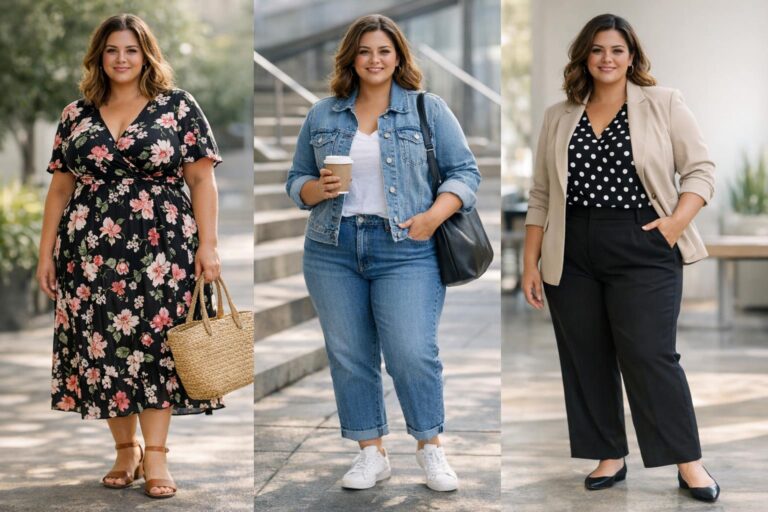
Plus-size outfit approaches that stay polished
Lean on structured layers (like a lightweight blazer) and comfortable staples (like tailored trousers or a midi skirt) that hold their shape through a full day. One-and-done dresses—like a wrap dress—can also be a strong professional option when paired with flats and a cardigan for classroom temperature changes.
Petite-friendly ways to keep spring outfits balanced
Petite styling is often about keeping proportions intentional, especially with spring layering. A soft blazer or cardigan can add polish without overwhelming the outfit, and a knee-length dress or midi skirt can look professional when the overall silhouette feels streamlined.
Accessibility and ergonomic considerations
Comfort-first doesn’t mean underdressed. Outfit templates like tunic + leggings + long cardigan, wide-leg trousers + blouse, or a floral midi dress + cardigan can be adapted to prioritize ease of movement. The best approach is to choose pieces that don’t require constant adjusting and pair them with supportive, comfortable shoes appropriate for your school environment.
Tip: If an outfit looks great but feels distracting to wear, it won’t be your best teaching outfit. Prioritize comfort and movement first, then add professionalism through one structured layer or a polished accessory.
Sustainability-Minded Spring Teacher Style
A sustainability-first approach to spring teacher outfits can be simple: buy fewer pieces, rewear them in multiple combinations, and focus on long-term staples that work across many school days. A teacher capsule wardrobe naturally supports this because it reduces impulse buying and makes repeating outfits feel intentional rather than repetitive.
How to make your spring wardrobe more sustainable without overhauling it
- Choose a capsule mindset: invest in a few mix-and-match staples (blazer, trousers, cardigan, dress) instead of one-off outfits.
- Repeat outfits with small updates: rotate scarves, shoes, and layering pieces to create variety.
- Use budget-conscious alternatives: consider second-hand shopping to build out your staples, especially for structured layers and work-appropriate dresses.
Tip: If you’re trying to shop less, set a goal to create at least three outfits from any new piece you bring into your closet. If you can’t easily name three, it may not be a true “teacher wardrobe staple.”
Tips for Dress Codes, School Culture, and Parent-Facing Days
Dress code expectations can vary by district and school culture, and spring often includes extra parent-facing moments. The simplest way to stay ready is to have “upgrade options” on standby—pieces that instantly move an outfit from casual to more professional without requiring a full change.
Easy ways to level up an outfit quickly
- Add a lightweight blazer over a dress, blouse, or knit.
- Swap sneakers for flats or loafers.
- Change to a structured tote for a more formal look.
- Keep accessories minimal and polished (a scarf can do a lot).
Tip: Build a “conference day” formula you can repeat: tailored trousers + blouse + blazer (or a wrap dress + blazer). When you already know your formula works, you reduce decision fatigue and feel more confident.
FAQ
What are the best spring outfits for teachers?
The best spring outfits for teachers are comfortable, professional, and easy to layer, such as a floral midi dress with a cardigan, tailored trousers with a blouse and lightweight blazer, or a wrap dress with flats for a polished one-and-done option.
How do I create comfortable spring outfits for teaching that still look professional?
Start with a breathable base you can move in, then add one structured piece like a blazer, tailored trousers, or a structured tote; this keeps the outfit classroom-friendly while letting you choose comfort-focused shoes and flexible layers like cardigans.
What should I wear to parent-teacher conferences in spring?
A reliable spring conference outfit is tailored trousers with a blouse and lightweight blazer, or a wrap dress with flats and a blazer; these options look polished, photograph well, and remain comfortable through long conversations and standing.
What are good layering ideas for spring classroom outfits?
Use a breathable base layer (like a blouse or layered top), add a flexible mid-layer (cardigan or soft blazer), and keep a lightweight trench for outdoor duties so your outfit looks complete whether you remove or add layers throughout the day.
Can I wear jeans as part of spring outfits for teachers?
In many school settings, jeans can work when paired with a polished layer like a patterned blazer and a professional top, keeping the overall look intentional and classroom-appropriate.
How can I wear pastel spring outfits for teachers without looking too casual?
Use pastel as one focused piece—such as a pastel blouse or skirt—and keep the rest of the outfit neutral and structured with items like a blazer, tailored trousers, and professional shoes to maintain a polished look.
What shoes work best for teacher outfits in spring?
Flats, loafers, low heels, and clean sneakers for casual days are strong spring choices because they support long hours of standing and walking while still aligning with professional spring attire.
How do I build a spring wardrobe for teachers on a budget?
Build a small capsule by prioritizing a versatile layer (cardigan or lightweight blazer), a reliable bottom (tailored trousers or midi skirt), and a dress that can be styled multiple ways, then refresh your outfits with simple accessories like a scarf and a structured tote.
How can I make spring teacher outfits more sustainable?
Focus on a capsule wardrobe approach, rewear core pieces in multiple combinations, and consider second-hand shopping for staples like blazers, trousers, and classroom-appropriate dresses so you buy less while still expanding your outfit options.